Michael Burry Debuts Paid Newsletter to Warn Investors About a Growing AI Market Bubble

Michael Burry Debuts Paid Newsletter to Warn Investors About a Growing AI Market Bubble
By
Rachel Steinberg
Last updated:
November 25, 2025
First Published:
November 30, 2025

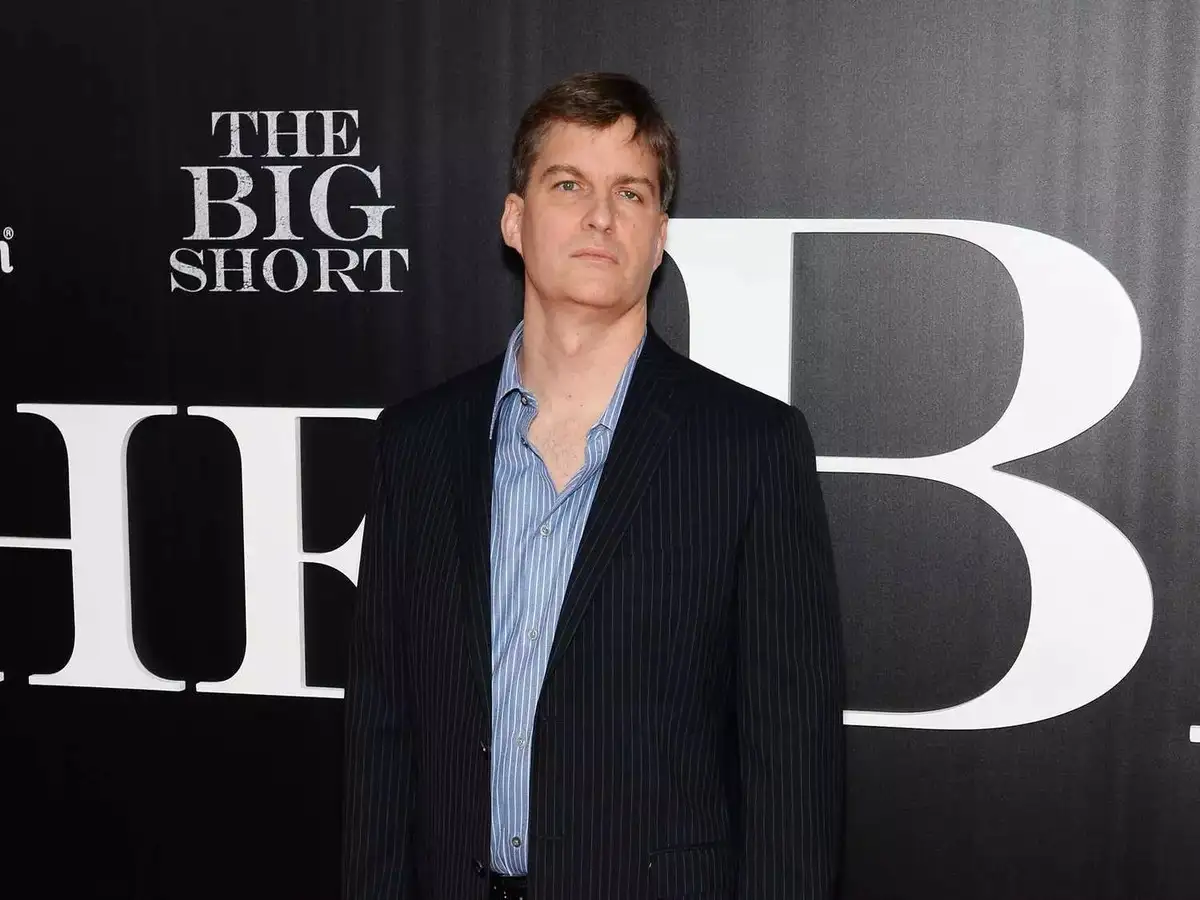
Photo: The Economic Times
Burry Reemerges With a New Platform for His Market Warnings
Michael Burry the investor known worldwide for predicting the 2008 housing collapse has launched a new Substack newsletter aimed at breaking down his increasingly bearish outlook on artificial intelligence stocks and the broader technology market. The publication titled “Cassandra Unchained” marks his return to public long form analysis after shutting down the registration of his hedge fund. Priced at 379 dollars per year the newsletter signals Burry’s intention to speak directly to investors without regulatory limitations.
Burry’s presence on social media has long fueled speculation. His cryptic posts on X where he has amassed over 1.6 million followers regularly spark debate among traders. The newsletter gives him space to expand on these ideas offering full explanations behind the warnings that often appear only briefly on his feed.
Drawing Parallels Between Today’s AI Frenzy and Past Bubbles
In his announcement Burry compared the current excitement around AI companies to the speculative fervor of the late 1990s dot com boom and the housing bubble of the mid 2000s. He pointed to a historical pattern where markets ignored clear signs of overheating until it was too late.
He referenced his own experience in February 2000 when newspapers reported that he was shorting Amazon at the height of the tech mania. He also recalled former Federal Reserve Chair Alan Greenspan’s 2005 insistence that rising U.S. home prices showed no sign of a bubble — a statement that aged poorly when the housing market collapsed shortly after.
Burry believes today’s AI driven rally is following a similar script. Investors he argues are projecting endless exponential growth and pouring capital into ambitious projects without properly evaluating long term profitability or the risks behind massive infrastructure investment.
Powell’s Comments Add Fuel to Burry’s Skepticism
Federal Reserve Chair Jerome Powell recently noted that major AI companies appear more profitable than speculative tech giants of the past. Powell suggested that current valuations may be justified because today’s leaders generate substantial earnings and have established business models.
Burry however sees these remarks as troublingly familiar. To him Powell’s reassurances mirror the tone of Greenspan’s comments ahead of the housing crash. He believes investors are again ignoring warning signs and rallying behind companies whose valuations depend on perfect outcomes and aggressive assumptions.
Nvidia and Palantir two of the most prominent names in the AI narrative have been particular targets of Burry’s skepticism. Both companies have seen extraordinary market gains and have become symbols of the AI boom — a dynamic Burry compares directly to the dot com environment two decades ago.
A New Phase in Burry’s Long Battle With Market Excess
Burry’s latest project represents more than a newsletter launch. It marks his reentry into public financial commentary at a moment when markets are hitting record highs, AI investments are accelerating and institutional investors are searching for clarity in a rapidly shifting landscape.
By moving his analysis to a paid platform Burry aims to deliver deeper research and more comprehensive explanations of the systemic risks he sees forming. Whether investors heed his warnings remains to be seen. But history shows that when Burry speaks, markets tend to listen — even if only after the damage is already done.
.webp)
Popular articles



Subscribe to unlock premium content
Frozen Riches on Kamchatka

The Hidden Wealth of Conflict-Free Spices

From Remote Runways to Billion-Dollar Gateways

Frozen Riches on Kamchatka
The Hidden Wealth of Conflict-Free Spices
Frozen Riches on Kamchatka
.png)