Malaysia PM Anwar Faces Major Setback as Allies Lose Ground in Sabah State Polls

Malaysia PM Anwar Faces Major Setback as Allies Lose Ground in Sabah State Polls
By
David Goldfarb
Last updated:
December 1, 2025
First Published:
December 1, 2025

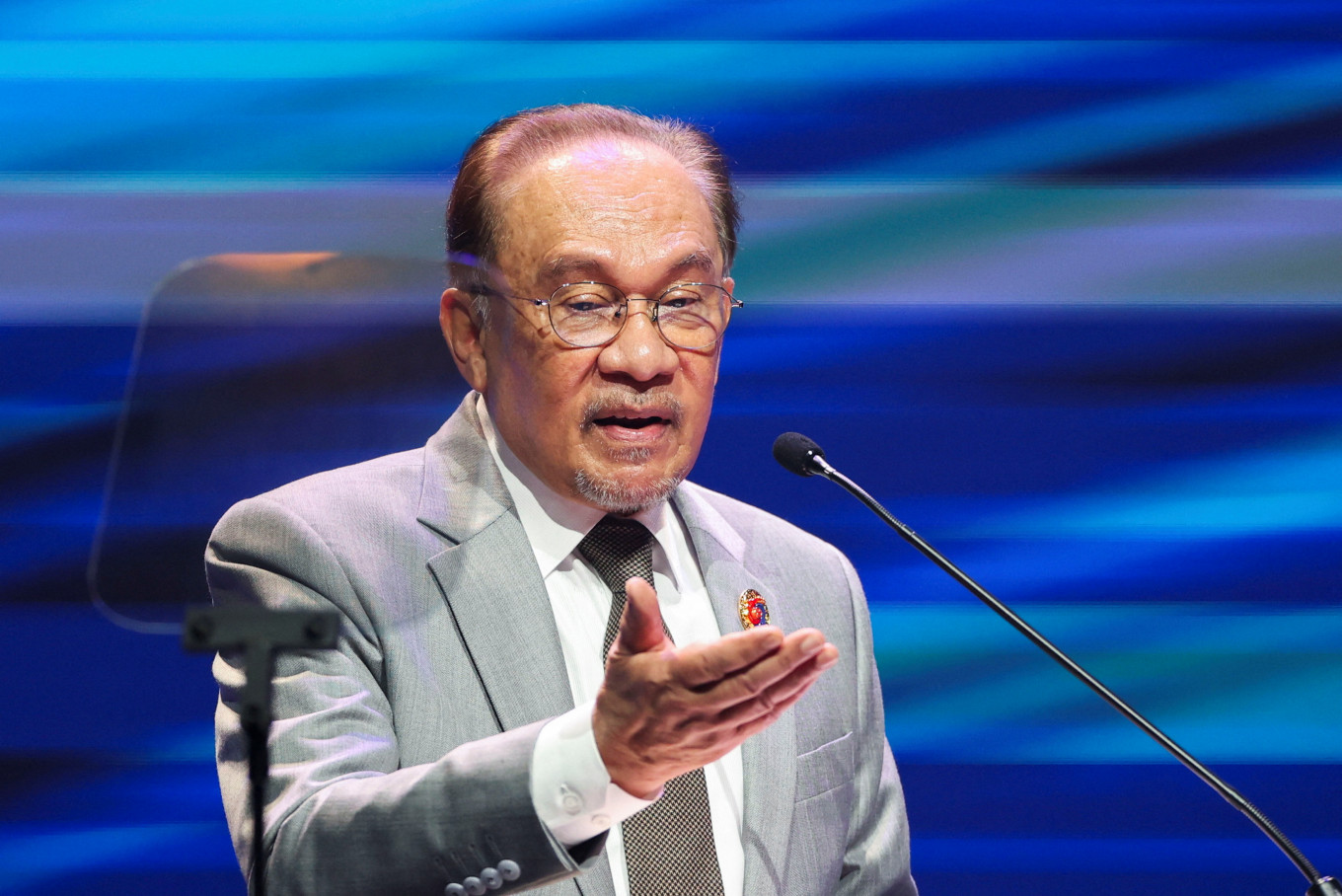
Photo: The Jakarta Post
Electoral Blow for Anwar’s Coalition
Malaysian Prime Minister Anwar Ibrahim experienced a significant political setback in Sabah as his allies secured just one of the 20 contested seats in the state’s regional elections. This marks a sharp decline from the seven seats the Pakatan Harapan (PH) coalition previously held in the eastern state on Borneo island.
Political analysts described the results as a clear signal of voter dissatisfaction with PH, highlighting the challenges Anwar faces in consolidating support three years into his administration. “The Sabah election outcome shows Anwar’s coalition lost badly,” said Lee Kuok Tiung, associate professor at Universiti Malaysia.
Regional Parties Strengthen Control
Despite PH’s losses, the Gabungan Rakyat Sabah (GRS) coalition, composed of state-based parties aligned with Anwar’s ruling bloc, retained control of Sabah. The coalition’s victory reflects growing local support for greater state autonomy and prioritization of regional governance over federal influence.
GRS leader Hajiji Noor was reappointed as Sabah chief minister, receiving public congratulations from Anwar. The prime minister stated that the federal government “fully respects the strong and clear message” of the voters, acknowledging their desire for meaningful reforms and improved governance.
Local Concerns Drive Voter Sentiment
Observers note that voters in Sabah prioritized practical issues such as water, electricity, and road infrastructure, alongside the push for more regional autonomy. PH’s poor showing underscores the challenges of appealing to voters who feel neglected by federal promises.
Recent tensions between the federal and state government added to voter discontent. A Sabah minister resigned from Anwar’s cabinet after a court ruled that the federal government had failed to honor a decades-old revenue-sharing agreement granting the state 40% of federal revenue derived from Sabah. Anwar emphasized his government’s commitment to resolving these longstanding issues.
Implications for National Politics
Saturday’s election serves as the first of several regional polls leading up to Malaysia’s national elections, expected by early 2028. Analysts warn that PH must re-evaluate its strategies, deepen engagement with regional stakeholders, and address local grievances to regain credibility in future contests.
Anwar’s administration, formed in November 2022 after a hung parliament forced cooperation with opposing parties, now faces increased pressure to demonstrate tangible results at both federal and state levels. The Sabah results could foreshadow wider challenges for the coalition across Malaysia in the years ahead.

Popular articles


Subscribe to unlock premium content
London’s Gourmet Playgrounds

From Bean to Buzz in Thailand

The Secret Life of Pop-Up Luxury Restaurants in Paris

London’s Gourmet Playgrounds
From Bean to Buzz in Thailand
London’s Gourmet Playgrounds