LVMH Tops Q4 Forecasts as China Demand Reignites Global Luxury Growth

LVMH Tops Q4 Forecasts as China Demand Reignites Global Luxury Growth
By
Leah Rosenfeld
Last updated:
January 28, 2026
First Published:
January 28, 2026

.webp)
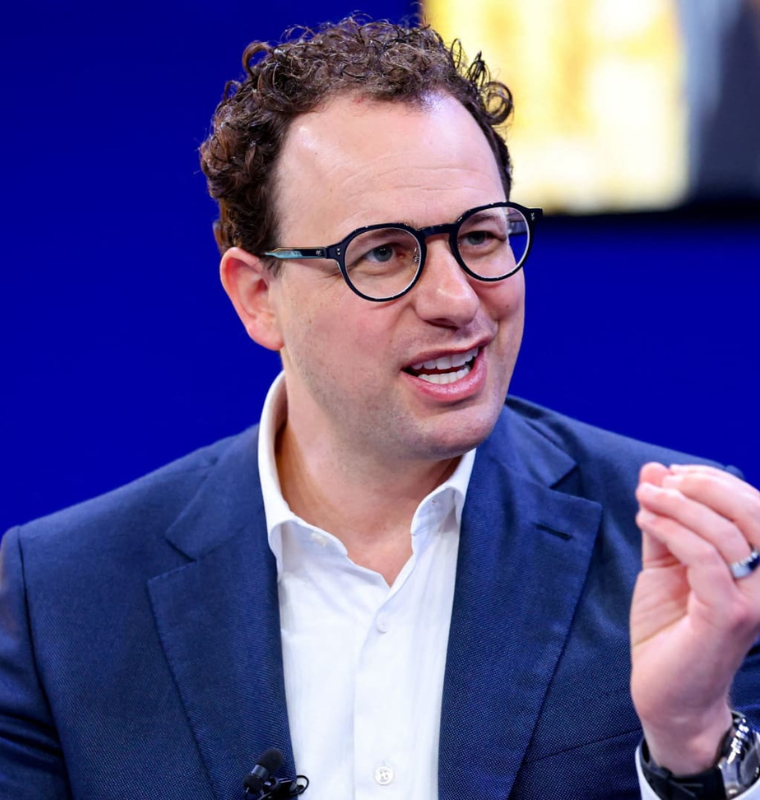
Photo: Bloomberg.com
LVMH Delivers Q4 Beat as Asian Markets Begin to Recover
LVMH, the world’s largest luxury conglomerate by market value, reported better-than-expected fourth-quarter results, offering fresh signs that demand in China and broader Asia is beginning to stabilize after nearly two years of sluggish consumer spending.
The Paris-based group posted fourth-quarter revenue of €22.7 billion, exceeding analyst expectations of roughly €22.2 billion. Full-year revenue reached €80.8 billion, confirming LVMH’s position as Europe’s biggest luxury company and one of the most influential players in global consumer goods.
On an organic basis, revenue grew 1% in the fourth quarter, marking the second consecutive quarter of positive growth. For the full year, organic sales slipped 1%, reflecting lingering pressure from cautious consumers and uneven regional performance.
Management highlighted a noticeable improvement across Asia excluding Japan, with the region returning to growth during the second half of the year, driven largely by a gradual rebound in Chinese luxury spending.
China Shows Early Signs of Recovery After Prolonged Slowdown
China has been at the center of the luxury sector’s recent challenges, following weaker discretionary spending after the pandemic-era boom. LVMH executives said momentum improved meaningfully in late 2025, with foot traffic and conversion rates strengthening across key mainland cities.
The company noted that Chinese consumers are slowly returning to high-end purchases, particularly in flagship locations and travel retail hubs. While spending levels have not yet returned to peak levels seen during the Covid rebound, LVMH said trends are moving in the right direction.
This recovery mirrors developments across the broader luxury industry. Richemont, owner of Cartier and Van Cleef & Arpels, recently reported a 4% year-over-year rise in quarterly sales, fueled by robust jewelry demand. Burberry also exceeded growth expectations, crediting targeted marketing campaigns aimed at Gen Z shoppers in China.
Together, these results are reinforcing investor hopes that the worst of the luxury downturn may be over.
Core Fashion and Leather Goods Remain Under Pressure
Despite the encouraging regional trends, LVMH continues to face challenges in its largest and most profitable division. The fashion and leather goods segment, home to Louis Vuitton, Dior, Fendi and Celine, recorded a 5% organic sales decline for the full year, worsening from a 1% drop in the prior year.
This division historically accounts for the majority of LVMH’s operating profit, making its performance critical to overall earnings momentum.
Analysts point to softer demand from so-called “aspirational” consumers, higher pricing, and shifting spending priorities as key factors weighing on apparel and handbags, even as ultra-high-end categories such as jewelry and watches show greater resilience.
Management Warns 2026 Will Be Challenging
While acknowledging the improving backdrop, Chairman and CEO Bernard Arnault cautioned that the year ahead could remain volatile.
“2026 won’t be simple,” Arnault said, pointing to an unpredictable global economy marked by geopolitical tensions, uneven growth, and changing consumer behavior. He described the environment as both “disrupted” and “unforeseeable,” signaling that LVMH is preparing for continued uncertainty despite early signs of recovery.
The group currently operates more than 75 luxury brands across fashion, leather goods, jewelry, watches, perfumes, cosmetics, wines and spirits, giving it unmatched scale but also broad exposure to shifting global demand.
Investors Grow More Optimistic, but Risks Remain
LVMH shares previously jumped more than 12% in October after the company reported a return to positive organic growth in the third quarter, sparking renewed confidence across the sector.
Barclays analyst Carole Madjo said expectations had risen heading into Q4 following the strong third-quarter performance. She forecasts sector-wide growth of approximately 5% to 6% in constant currencies through 2026, with the United States expected to remain the primary engine of expansion while China continues its gradual stabilization.
However, Madjo also warned that valuations are becoming more demanding and earnings upgrades have yet to fully materialize. She added that the return of aspirational shoppers is still uncertain, leaving the pace of recovery open to question.
Bernstein analyst Luca Solca echoed that view, noting that while Chinese demand is improving, the recovery path remains uneven. He emphasized that luxury brands can no longer rely on a steady influx of new middle-class buyers and must instead adapt to a more polarized global economy.
Luxury Sector Finds Its Footing After Two Turbulent Years
After surging during the early pandemic years, luxury brands diverged sharply in performance. Companies heavily exposed to fashion and leather goods, including LVMH and Gucci-owner Kering, faced steeper slowdowns, while groups with stronger positions in high-end jewelry benefited from wealthier clientele and long-term demand dynamics.
As earnings season unfolds, results from LVMH, Richemont, and Burberry suggest the industry may finally be entering a stabilization phase, supported by recovering Asian demand, resilient U.S. consumers, and renewed interest from global travelers.
Still, executives and analysts alike agree that the rebound is likely to be gradual rather than explosive, with success hinging on brand strength, pricing power, and the ability to capture evolving consumer preferences in a post-pandemic world.

Popular articles


Subscribe to unlock premium content
Golden Skies Above the City
High Peaks and White Gold

Adrenaline in the Dunes

Golden Skies Above the City
High Peaks and White Gold
Golden Skies Above the City