LVMH Sales Disappoint as Luxury Comeback Loses Momentum Amid Global Tensions

LVMH Sales Disappoint as Luxury Comeback Loses Momentum Amid Global Tensions
By
Augusta Parker
Last updated:
April 14, 2026
First Published:
April 14, 2026


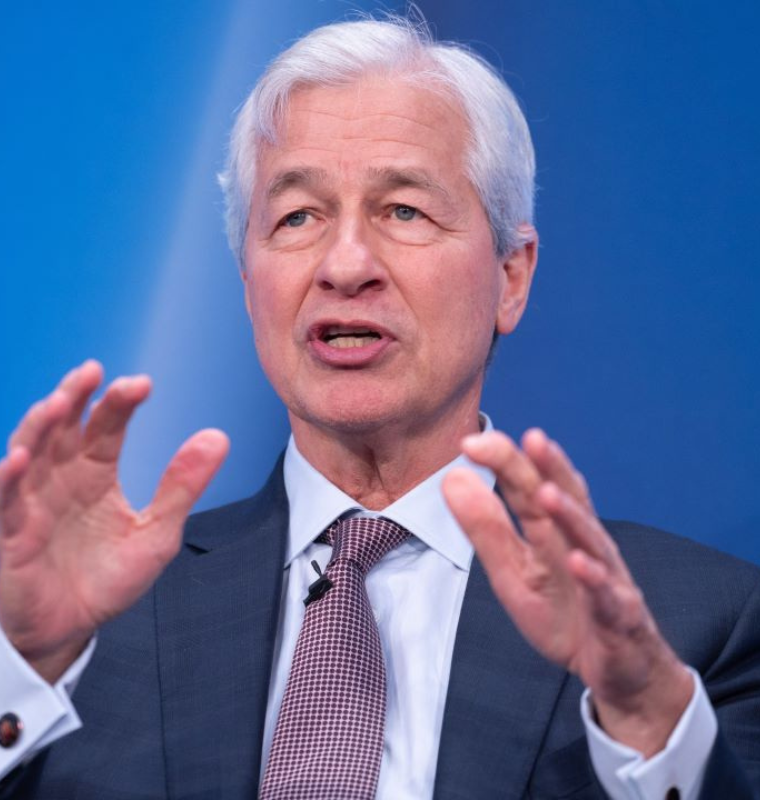
Photo: WSJ
A Slower Start to the Year for Luxury’s Market Leader
LVMH reported first-quarter results that fell short of expectations, signaling that the global luxury recovery remains fragile. Organic sales rose just 1% year-on-year, below analyst forecasts of 1.5%, highlighting the impact of macroeconomic uncertainty and geopolitical disruptions.
Total revenue came in at approximately €19.1 billion, slightly missing market estimates, while reported sales declined 6% due to unfavorable currency movements. The results underscore how external factors, including exchange rates and global instability, are continuing to influence even the strongest players in the luxury space.
Middle East Conflict Adds Pressure to Growth
The ongoing conflict in the Middle East had a measurable impact on performance, reducing LVMH’s organic growth by around 1 percentage point during the quarter. While this may appear modest, it reflects broader disruptions in consumer sentiment, tourism flows, and global financial markets.
Luxury brands are particularly sensitive to geopolitical instability, as high-end spending often depends on confidence, travel activity, and cross-border shopping. The situation has also contributed to volatility in equity markets, with LVMH’s U.S.-listed shares falling more than 4% following the announcement.
Additionally, the indirect effects of rising energy prices and supply chain disruptions are beginning to filter through the sector, creating a more challenging operating environment.
Core Fashion Division Faces Decline
The company’s largest and most important segment, fashion and leather goods, saw sales decline by 2% on an organic basis to €9.2 billion. This division includes flagship brands such as Louis Vuitton, Dior, and Fendi, making its performance a key indicator of overall luxury demand.
The decline suggests that even top-tier brands are not immune to shifting consumer behavior. After years of aggressive price increases during the post-pandemic luxury boom, some customers have become more selective, while others have pulled back spending altogether.
Maintaining brand desirability while managing pricing strategies has become a critical challenge for LVMH and its peers.
Strength in Watches, Jewelry, and Spirits
Not all segments underperformed. The watches and jewelry division posted solid 7% organic growth, driven in part by strong demand for Tiffany & Co.. Meanwhile, the wine and spirits business grew 5%, supported by steady consumption trends in premium beverages.
These segments provided some balance to weaker performance in fashion, demonstrating the importance of diversification within LVMH’s portfolio. The company’s ability to generate growth across multiple categories remains a key competitive advantage.
Regional Trends Show Mixed Signals
Geographically, performance varied significantly. The United States showed a relatively strong start to the year, supported by resilient domestic demand.
Asia excluding Japan delivered encouraging growth, reinforcing signs that the region is gradually recovering after a prolonged slowdown. China, once the primary engine of luxury expansion, is showing early signs of stabilization, though demand has not yet returned to peak levels.
At the same time, reduced tourist spending globally continues to weigh on sales, particularly in key shopping destinations that rely heavily on international visitors.
Industry Recovery Still Uncertain
The broader luxury sector is attempting to regain momentum after a downturn that followed the 2022 boom. During that period, rapid price increases and strategic shifts led to some consumer fatigue, particularly among aspirational buyers.
While analysts expect growth to accelerate in the coming quarters, the pace of recovery remains uncertain. Forecasts suggest that LVMH could see organic growth rebound to around 5% in the second quarter if demand conditions improve.
However, investor sentiment remains cautious. Heightened geopolitical risks, combined with concerns about global economic growth, are creating a more volatile environment for consumer-facing sectors.
Competitive Landscape and Peer Performance
Recent results from competitors highlight the uneven nature of the recovery. Brunello Cucinelli reported a strong 14% revenue increase in constant currencies, exceeding expectations and signaling continued demand in the ultra-high-end segment.
Meanwhile, other major players such as Hermès and Kering are set to report earnings, which will provide further insight into sector-wide trends.
These comparisons suggest that while demand remains intact at the very top of the market, broader luxury spending is becoming more selective and fragmented.
Key Risks and Strategic Priorities
Looking ahead, LVMH faces several critical challenges. Sustaining momentum for flagship brands like Louis Vuitton will be essential, while efforts to strengthen labels such as Dior, Givenchy, and Celine will play a key role in long-term growth.
Stabilizing the wine and spirits division, expanding its cosmetics business, and maintaining strong performance at Sephora are also central to the company’s strategy. Each of these areas represents an opportunity to diversify revenue streams and reduce reliance on any single category.
Outlook for the Luxury Sector
The luxury industry is entering a more complex phase, where growth is no longer guaranteed and external factors play a larger role in shaping performance. While demand has not collapsed, it is becoming more sensitive to global events, pricing strategies, and brand positioning.
For LVMH, the path forward will depend on its ability to adapt to this new environment while preserving the exclusivity and desirability that define luxury.
Despite the current slowdown, the long-term fundamentals of the sector remain intact. Rising global wealth, expanding middle classes in emerging markets, and continued demand for premium experiences are expected to support growth over time. However, in the near term, volatility and uncertainty are likely to remain defining features of the luxury landscape.
.webp)
Popular articles



Subscribe to unlock premium content
Namibia Is Quietly Building the Future of Ultra Remote Eco Luxury
.png)
Colombia’s Coffee Regions Are Becoming Luxury Travel Destinations Hidden in the Highlands

Chile’s Desert Skies Are Becoming the World’s Most Exclusive Destination
Namibia Is Quietly Building the Future of Ultra Remote Eco Luxury
Colombia’s Coffee Regions Are Becoming Luxury Travel Destinations Hidden in the Highlands
Namibia Is Quietly Building the Future of Ultra Remote Eco Luxury