LIV Golf Launches Major Funding Push as League Searches for Life Beyond Saudi Backing

LIV Golf Launches Major Funding Push as League Searches for Life Beyond Saudi Backing
By
Leah Rosenfeld
Last updated:
May 26, 2026
First Published:
May 26, 2026

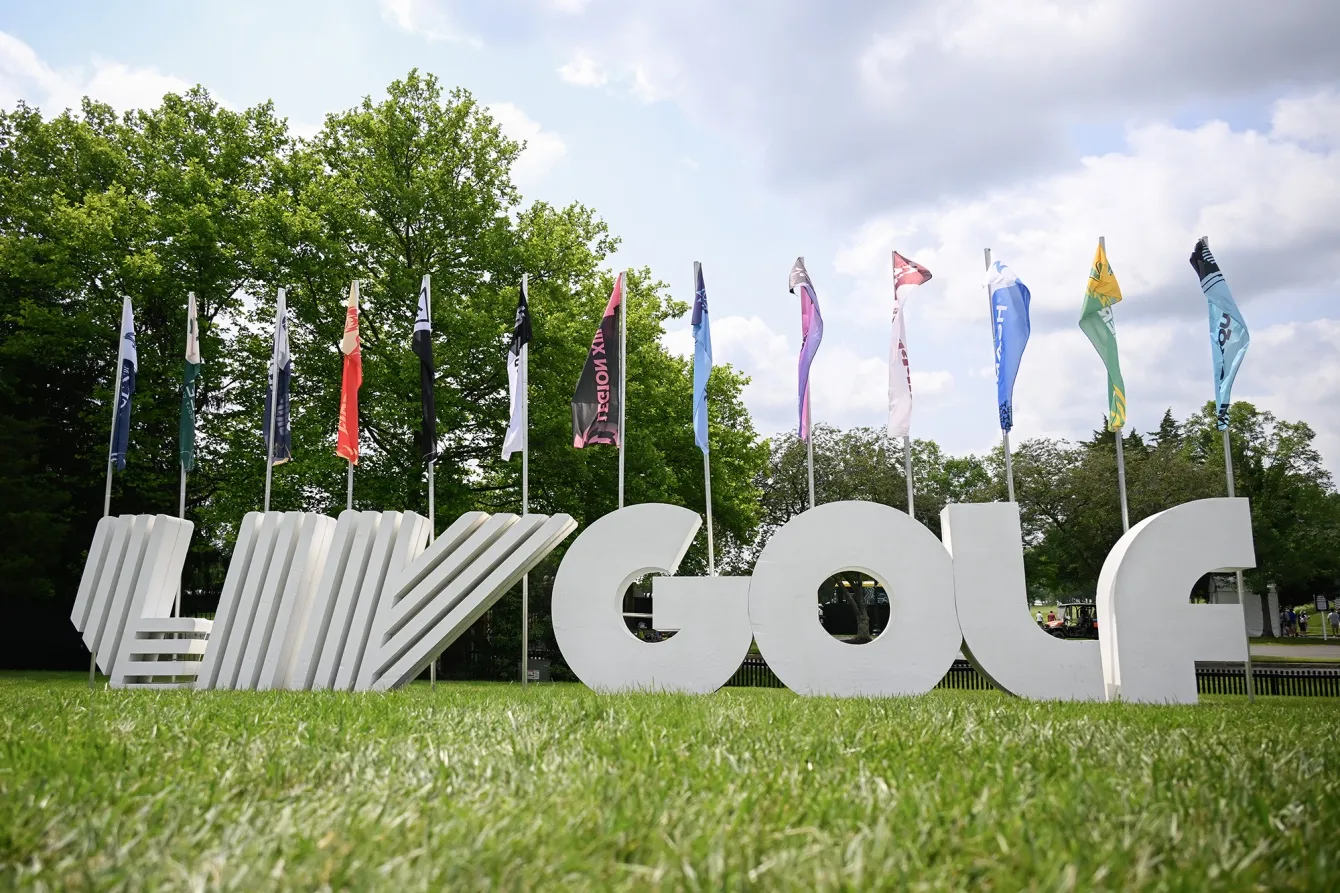
Photo: Bloomberg.com
LIV Golf is entering one of the most important chapters in its short but highly publicized history. After years of operating with substantial financial support from Saudi Arabia's Public Investment Fund (PIF), the league is now preparing to seek hundreds of millions of dollars in fresh capital as it attempts to establish a more sustainable business model.
According to reports, LIV Golf is preparing a broad investor campaign aimed at raising between $250 million and $350 million, an effort designed to secure future operations and create a pathway toward profitability.
The move represents a significant shift for the league, which since its launch has relied heavily on massive financial backing to attract players, build infrastructure, and compete directly with the long-established PGA Tour.
Now, as outside investment becomes increasingly important, LIV faces a new challenge: proving it can survive as a self-sustaining business.
LIV Golf Begins a New Financial Chapter
Sources familiar with the plans indicate that LIV Golf's management is preparing an updated investor presentation designed to appeal to qualified investors and strategic partners.
The financing effort reportedly aims to accomplish several goals:
• Strengthen operating capital
• Improve financial flexibility
• Support long-term expansion plans
• Build a path toward profitability
• Restructure future ownership models
Investment bank Ducera Partners is reportedly leading the fundraising process and advising the league as it enters discussions with potential investors.
Internal plans reportedly position the financing effort as a full recapitalization strategy intended to reshape the future of the organization.
For a sports league still in an early growth stage, securing outside capital can become critical for both operational stability and investor confidence.
Saudi Funding Changes Create New Questions
The fundraising effort follows a major development involving Saudi Arabia's Public Investment Fund.
PIF had served as the financial engine behind LIV Golf since the league's launch in 2022, helping fund large player contracts, operations, event expansion, and league development.
Reports have estimated total PIF support at more than $5 billion over the course of the partnership.
However, recent announcements indicating that support would eventually conclude after the 2026 season have created uncertainty around LIV's long-term financial structure.
The transition also included leadership changes, with PIF Chairman Yasir Al-Rumayyan stepping away from his role as chairman of LIV Golf.
These developments signal a major turning point.
For years, LIV operated with the resources of one of the world's largest sovereign wealth funds behind it. The league must now demonstrate that it can function under more conventional business expectations.
Massive Spending Helped Build LIV's Brand
Since entering the golf world, LIV Golf has generated global headlines through aggressive spending and high-profile signings.
The league offered substantial contracts to attract some of golf's most recognizable names away from traditional tours.
These moves transformed LIV into one of the most discussed organizations in professional sports.
Large contracts reportedly reached into the hundreds of millions of dollars for certain players and included:
• Guaranteed payments
• Team ownership opportunities
• Prize money incentives
• Long-term commercial arrangements
The spending strategy rapidly built awareness and attracted attention from fans and media worldwide.
However, large investments also created substantial financial obligations.
As the league evolves, investors are expected to focus increasingly on how future spending aligns with revenue generation.
Profitability Is Becoming the Main Objective
The next phase of LIV's strategy appears focused less on expansion and more on financial sustainability.
League executives are reportedly targeting profitability within approximately two years, requiring meaningful changes in operations and spending efficiency.
The challenge is significant.
Professional sports leagues often require years or even decades to reach stable profitability because of expenses involving:
• Player contracts
• Event production costs
• Marketing expenses
• Venue operations
• Media investments
• Global expansion efforts
Without virtually unlimited funding support, financial discipline becomes increasingly important.
Questions now center on how LIV management intends to balance competitiveness with long-term economics.
Ownership Structure Could Evolve
The latest financing initiative may also reshape ownership of the league itself.
Reports suggest future ownership could include:
• New outside investors
• League executives
• Team stakeholders
• LIV players themselves
Expanding ownership participation can create stronger alignment between athlete interests and league performance.
This structure resembles models used across other sports organizations where athletes and management participate directly in long-term value creation.
For investors, broader ownership participation can also demonstrate confidence from internal stakeholders.
Team Golf Is Expected to Become a Major Growth Driver
One of LIV Golf's most distinctive features has been its emphasis on team competition.
Traditional professional golf largely focuses on individual performance, but LIV introduced a team-based structure designed to create new fan engagement opportunities.
League executives have repeatedly highlighted team dynamics as a central element of future growth.
Current plans reportedly include approximately 10 global team events next season.
The strategy aims to build stronger fan loyalty and create sports identities similar to those found in traditional team leagues.
Investor materials reportedly point toward growth in:
• Sponsorship revenue
• Commercial partnerships
• Ticket sales
• Merchandise sales
• Digital audiences
• Online viewership metrics
Markets including Australia and South Africa have reportedly delivered strong event attendance, supporting the league's argument that international demand exists.
Bankruptcy Discussions Add Another Layer of Uncertainty
Recent reports have also suggested that LIV has explored restructuring options that could potentially include bankruptcy-related mechanisms.
Such processes can sometimes be used strategically by organizations seeking to reorganize operations and reduce contractual burdens.
Large organizations occasionally use restructuring frameworks to:
• Modify obligations
• Improve cost structures
• Reorganize business operations
• Increase future flexibility
While no final decisions have been announced, the reports have generated additional discussion around LIV's financial future.
The possibility has reportedly led some athletes to consider alternative career options, although many prominent players continue expressing support for the league.
Players Continue Showing Confidence in LIV's Future
Several high-profile players have publicly expressed optimism regarding the league's direction.
Among them, team leaders and star players have indicated confidence that management will develop a workable long-term strategy.
Some players have also acknowledged that future adjustments could require compromises from athletes and stakeholders alike.
As LIV transitions from heavy startup spending toward financial sustainability, players may become increasingly involved in shaping future business decisions.
The Bigger Picture
LIV Golf began as one of the most disruptive projects in modern sports, challenging golf's traditional structure with aggressive spending and a different competitive format.
Now the league faces a different test.
The question is no longer whether LIV can attract headlines or elite talent.
The question investors will ask is whether it can transform attention into a durable business model.
As fundraising discussions begin and the league enters a post-PIF phase, LIV's next chapter could determine whether it evolves into a permanent force in professional golf or remains one of sports' most ambitious experiments.
.webp)
Popular articles



Subscribe to unlock premium content
Lunar Dreams Become Reality

Defying Gravity in Billionaire Gyms

Celebrity-Curated Smart Homes with AI Butlers Redefine Modern Luxury

Lunar Dreams Become Reality
Defying Gravity in Billionaire Gyms
Lunar Dreams Become Reality
.png)
.png)