LG Electronics Stock Jumps Nearly 24% After Unveiling Next-Generation Smart Car Technology With Google

LG Electronics Stock Jumps Nearly 24% After Unveiling Next-Generation Smart Car Technology With Google
By
Rachel Steinberg
Last updated:
May 29, 2026
First Published:
May 29, 2026

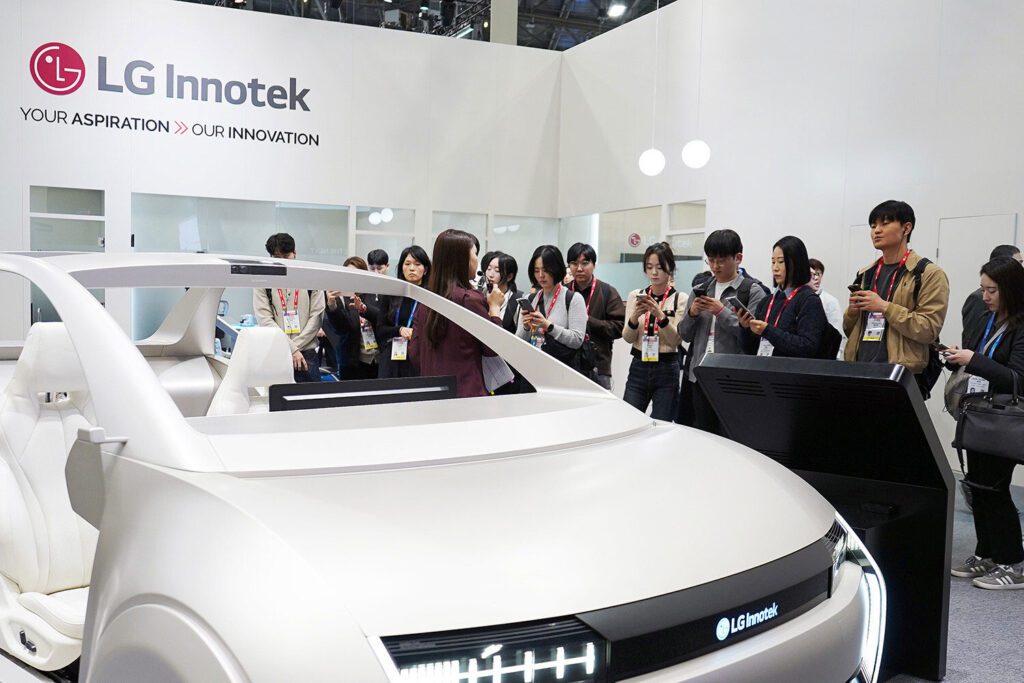
Photo: Automotive World
Shares of LG Electronics surged nearly 24% after the company introduced a new suite of automotive technologies developed in collaboration with Google, signaling growing investor optimism around the future of connected and software-driven vehicles.
The sharp rally reflected increasing confidence that LG could become a major player in the rapidly expanding automotive technology market, where automakers are racing to turn vehicles into fully integrated digital platforms.
The South Korean electronics giant said its latest automotive solutions are built on Android Automotive OS, Google’s in-vehicle operating system designed specifically for next-generation smart cars.
The new technology focuses heavily on improving in-car displays, connectivity, software integration, and user experience while helping automakers reduce hardware complexity and manufacturing costs.
LG Expands Its Push Into Software-Defined Vehicles
The automotive industry is undergoing one of its biggest transformations in decades as vehicles evolve from traditional mechanical machines into software-driven digital ecosystems.
Modern vehicles increasingly rely on advanced operating systems to power infotainment, navigation, entertainment, climate control, driver assistance, and connected services.
LG’s latest platform is designed to support that transition.
According to the company, its new system can control multiple vehicle displays with different screen sizes and aspect ratios simultaneously using a single system-on-chip architecture.
That marks a major shift from many conventional automotive display systems, which often require multiple processors and separate hardware components to manage different screens inside the vehicle cabin.
LG says consolidating these functions into a single platform can significantly reduce costs for automakers while also simplifying vehicle design and improving energy efficiency.
The company believes the technology could become especially valuable as car manufacturers add more digital displays to dashboards, passenger entertainment systems, rear-seat screens, and advanced driver interfaces.
Android Automotive Gains Momentum Across the Industry
The partnership also highlights the growing influence of Android Automotive OS across the global car market.
Unlike Android Auto, which connects a smartphone to a car’s display, Android Automotive is a full native operating system embedded directly into the vehicle itself.
That allows drivers and passengers to access applications, navigation tools, voice assistants, entertainment services, and vehicle controls without relying on a smartphone connection.
The platform has become increasingly attractive to automakers seeking more advanced software ecosystems as consumer expectations around vehicle technology continue rising.
Industry analysts say Android Automotive adoption is accelerating rapidly across both electric vehicle manufacturers and traditional carmakers.
Market research estimates the global Android Automotive OS market, valued at approximately $895 million in 2025, could grow to more than $2.1 billion by 2035 as demand for connected vehicles expands worldwide.
Several major automakers have already integrated or announced plans to adopt Android Automotive systems in future vehicle lineups.
Investors See Growth Potential Beyond Consumer Electronics
The strong stock reaction suggests investors are increasingly viewing LG as more than just a consumer electronics and appliance company.
Over the last several years, LG has aggressively expanded into automotive components, vehicle displays, battery systems, infotainment technology, and smart mobility infrastructure.
The company’s vehicle solutions division has become one of its fastest-growing business segments, benefiting from rising demand for electric vehicles, autonomous driving technology, and software-defined mobility platforms.
Automotive technology is now considered a strategic growth pillar for LG as competition intensifies in traditional electronics markets such as televisions and home appliances.
Analysts believe partnerships with global technology firms like Google could strengthen LG’s position as automakers search for reliable software and hardware partners capable of delivering integrated digital experiences.
Software Is Becoming the New Battleground in the Car Industry
The broader automotive industry is rapidly shifting toward what many executives call “software-defined vehicles,” where software capabilities increasingly determine vehicle value and customer experience.
Instead of focusing solely on horsepower or mechanical engineering, automakers are now competing on digital interfaces, connectivity, artificial intelligence features, cloud integration, and over-the-air software updates.
That shift has opened the door for technology companies to play a much larger role in the future of transportation.
Google, Apple, Nvidia, Qualcomm, and other major tech firms are investing heavily in automotive software platforms, AI-powered driving systems, and connected vehicle ecosystems.
For automakers, partnering with established technology companies can accelerate development timelines while reducing software engineering costs.
LG’s collaboration with Google positions the company at the center of that transition.
Google said it plans to continue working closely with LG to help advance innovation for software-defined vehicles and future automotive platforms.
Multi-Display Vehicle Systems Become a Key Industry Trend
One of the most important aspects of LG’s announcement involves the growing importance of in-car display technology.
Modern premium vehicles increasingly feature multiple digital screens across dashboards, center consoles, rear-seat entertainment systems, and passenger interfaces.
Some high-end electric vehicles now include display surfaces stretching nearly the entire width of the cabin.
Managing those displays efficiently has become a major engineering challenge for automakers.
LG’s single-chip architecture aims to simplify that process by reducing the amount of hardware required while still supporting complex visual systems and multiple display configurations.
The approach could help manufacturers lower production costs while improving performance, responsiveness, and power efficiency.
As electric vehicles become more software-centric, display technology is expected to become one of the key differentiators in customer purchasing decisions.
LG Strengthens Its Position in the Global EV Ecosystem
The automotive technology push also aligns with broader growth trends in electric vehicles and connected mobility.
Global EV sales continue rising rapidly, with governments and automakers investing billions into electrification, autonomous driving systems, and smart transportation infrastructure.
As vehicles become more digitally connected, suppliers capable of delivering integrated software and hardware ecosystems are expected to play a larger role across the industry.
LG has steadily expanded its automotive footprint through acquisitions, joint ventures, and technology partnerships.
The company already supplies components to several major global automakers and has invested heavily in vehicle infotainment systems, advanced displays, battery technologies, and automotive electronics.
Its latest collaboration with Google further strengthens its position within the evolving automotive supply chain.
The Race for the Smart Car Future Intensifies
The strong market reaction to LG’s announcement reflects growing investor belief that the future of the automotive industry will increasingly be shaped by software and digital ecosystems rather than traditional manufacturing alone.
As competition intensifies between automakers and technology firms, companies capable of combining advanced hardware with intelligent software platforms may gain a significant advantage.
For LG Electronics, the latest automotive innovations represent more than a product launch. They signal a long-term strategic shift toward becoming a major technology provider for the next generation of connected vehicles.
With demand for smart mobility solutions accelerating globally, the battle to dominate the software-defined vehicle market is only beginning.
.webp)
Popular articles



Subscribe to unlock premium content
Beyoncé’s Wellness Retreats Redefine Luxury Lifestyle

Skiing Above the Skyline

ED by Ellen Redefines Celebrity Media

Beyoncé’s Wellness Retreats Redefine Luxury Lifestyle
Skiing Above the Skyline
Beyoncé’s Wellness Retreats Redefine Luxury Lifestyle