Khanna Pushes Nationwide Fraud Probe as Wealth Tax Backlash Erupts in Silicon Valley

Khanna Pushes Nationwide Fraud Probe as Wealth Tax Backlash Erupts in Silicon Valley
By
Leah Rosenfeld
Last updated:
December 31, 2025
First Published:
December 31, 2025

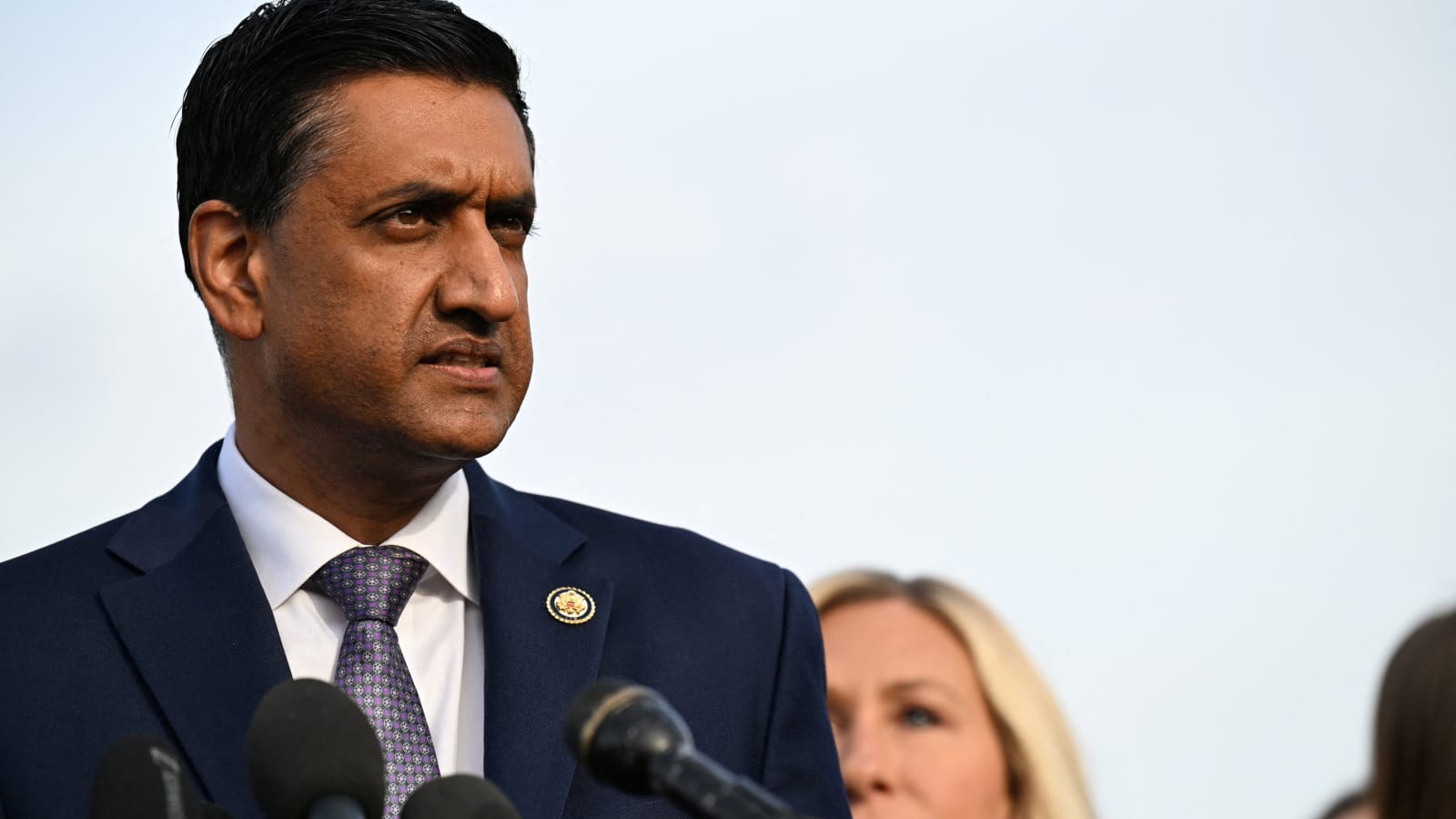
Photo: CNBC
Wealth Tax Ignites Political and Industry Tensions
Representative Ro Khanna of California is moving to launch a nationwide investigation into state level fraud following intense backlash over his support for a proposed wealth tax targeting billionaires. The proposal has stirred strong opposition among influential figures in Silicon Valley, where Khanna’s district includes some of the country’s wealthiest technology executives and investors.
Labor groups in California are working to qualify the tax for the November ballot, but critics argue the measure would drive capital and talent out of the state. Some wealthy donors have warned they would fund a primary challenger against Khanna if the proposal advances.
A Strategy Focused on Oversight and Accountability
In response to the backlash, Khanna says his answer is not retreat but stronger oversight. Speaking publicly about the issue, he said he is initiating a bipartisan effort through his role on the House Oversight and Government Reform Committee to examine state level fraud across the country.
The goal, according to Khanna, is to ensure that any new tax revenue is spent effectively on public priorities such as health care rather than being lost to mismanagement or corruption. He argues that public trust is essential if voters are to support higher taxes or expanded social programs.
Khanna has emphasized that transparency and accountability must come before asking taxpayers to shoulder additional burdens.
Bipartisan Push to Avoid Partisan Framing
Khanna says the investigation will be explicitly bipartisan, with plans to partner with a Republican lawmaker to avoid perceptions of political bias. He pointed to his previous cross party collaboration with Representative Thomas Massie of Kentucky as an example of how such partnerships can produce tangible results.
As part of the effort, Khanna hopes to commission a Government Accountability Office review focused on state level fraud and to hold hearings examining how public funds are administered. The scope would extend beyond any single state and aim to identify systemic weaknesses across the country.
Fraud Cases Fuel Opposition to the Tax
Concerns about fraud have become a central argument among critics of the wealth tax. Recent reports from the California State Auditor highlighted potential misuse of public funds, while high profile fraud cases in Minnesota, some dating back to indictments issued in 2022, have gained renewed attention from Republican lawmakers and the Trump administration.
These cases have been cited by opponents as evidence that expanding government revenue without stronger controls could worsen waste rather than improve public services.
Prominent tech investor Chamath Palihapitiya publicly criticized the proposal, arguing that audits and zero based budgeting should come before any new taxes are imposed. His comments echoed a broader sentiment among tech leaders that higher taxes risk incentivizing inefficiency rather than reform.
Details of the California Billionaire Tax Proposal
The proposed measure, known as the 2026 Billionaire Tax Act, would impose a one time 5 percent tax on the assets of California’s billionaires. Supporters say the levy could raise billions of dollars to address a projected shortfall in the state’s health care budget.
The Service Employees International Union United Healthcare Workers West is among the key groups backing the initiative. However, the proposal still needs to collect enough signatures to appear on the ballot, after which it would require voter approval.
Concerns Over Unrealized Gains and Startup Wealth
One of the most contentious aspects of the proposal is its potential application to unrealized gains. Tech leaders argue that startup founders whose net worth exceeds $1 billion based on private stock valuations could face large tax bills despite having little liquid cash.
Khanna has acknowledged these concerns and says he supports designing the tax with safeguards for founders holding restricted or illiquid stock. He argues that exemptions or alternative structures could prevent harm to early stage companies while still ensuring that extreme concentrations of wealth contribute to public needs.
Political Stakes Going Forward
Both California and Minnesota, states cited in recent fraud discussions, are led by Democratic governors, adding a layer of political sensitivity to the debate. Minnesota Governor Tim Walz is facing reelection in 2026, while House Oversight Committee leaders have already called for testimony related to alleged fraud cases.
For Khanna, the push for a fraud investigation is both a policy response and a political calculation. By tying wealth taxes to accountability and oversight, he hopes to reframe the debate away from ideology and toward governance.
Whether that strategy will ease tensions with Silicon Valley or deepen the divide remains an open question as the ballot effort moves forward.
.webp)
Popular articles



Subscribe to unlock premium content
Immersive Worlds on Stage
Freedom on Wheels in Portugal

a very very descriptive final thoughts

Immersive Worlds on Stage
Freedom on Wheels in Portugal
Immersive Worlds on Stage