Jimmy Lai Convicted Under Hong Kong Security Law as Political Space Narrows Further

Jimmy Lai Convicted Under Hong Kong Security Law as Political Space Narrows Further
By
Alina Sinclair
Last updated:
December 15, 2025
First Published:
April 25, 2026


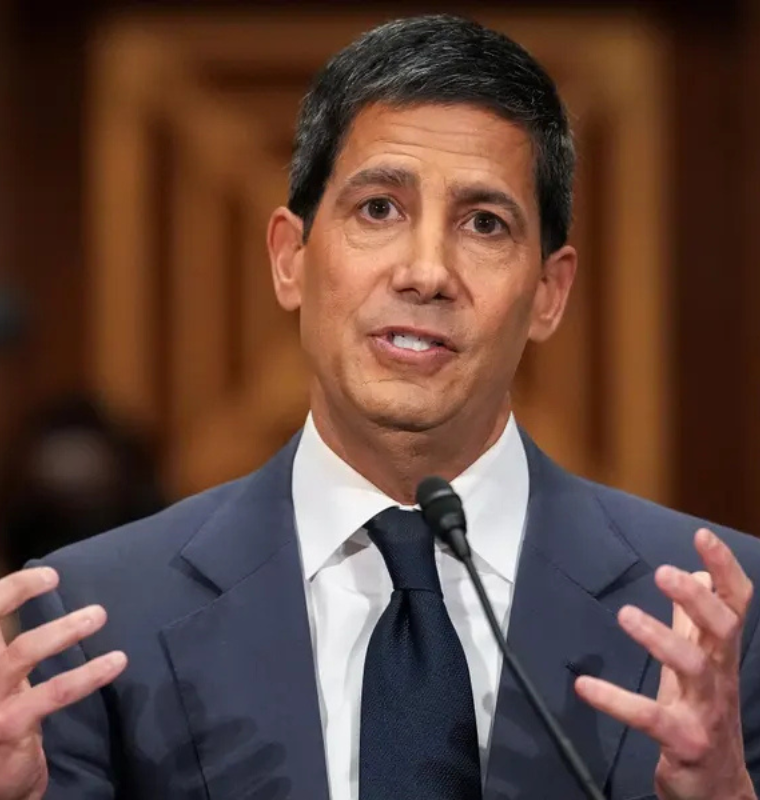
Photo: The New York Times
Overview of the Verdict
A Hong Kong court has found pro-democracy activist and media entrepreneur Jimmy Lai guilty of sedition and collusion with foreign forces, marking one of the most high-profile convictions under the city’s national security law. Lai, 78, was prosecuted for offenses linked to alleged cooperation with overseas governments and organizations deemed hostile to China and Hong Kong.
The ruling follows years of legal proceedings after Lai was first arrested in 2020. His sentencing is scheduled for Jan. 12, a date closely watched by diplomats, investors, and human rights groups worldwide.
Charges and Legal Basis
Lai was charged under Hong Kong’s national security law, introduced by Beijing in mid-2020 after months of mass pro-democracy protests in 2019. The law criminalizes acts of secession, subversion, terrorism, and collusion with foreign forces, with penalties that can extend to life imprisonment.
According to the court, Lai participated in a conspiracy to collude with external elements to endanger national security. Judges said his media outlets, including the now-defunct Apple Daily, called on foreign governments to impose sanctions and other measures against Hong Kong and mainland China.
In its extensive 850-page judgment, the court stated that Lai harbored long-standing hostility toward the Chinese Communist Party and concluded that his actions were intended to undermine state authority, even at the expense of broader public interests.
Background on Jimmy Lai and His Businesses
Jimmy Lai is one of Hong Kong’s most recognizable business figures turned political critics. He founded the Giordano clothing brand, built the popular tabloid Apple Daily, and later established Next Digital, which became a major media group in the city.
Apple Daily was shut down in 2021 after authorities froze company assets and arrested senior executives, an event that sent shockwaves through Hong Kong’s media industry and intensified concerns about press freedom.
Lai has consistently pleaded not guilty to the charges, including two counts of collusion with foreign forces and one count of conspiracy to publish seditious material.
Investor and Market Reactions
While the verdict was widely anticipated, it has renewed debate over the long-term implications for Hong Kong’s investment climate. Andrew Collier, a senior fellow at Harvard Kennedy School, said the case reinforces unease among international investors who value predictable legal systems and strong protections for property and civil rights.
Hong Kong has recorded an uptick in initial public offerings in 2025, signaling some recovery in capital markets activity. However, analysts warn that sustained investor confidence depends not only on deal flow but also on perceptions of judicial independence and regulatory transparency.
If high-profile political cases continue to dominate headlines, some investors may reassess risk premiums associated with operating or listing in the city.
International and Political Dimensions
Lai’s case has drawn attention at the highest diplomatic levels. Former U.S. President Donald Trump raised Lai’s detention during a meeting with Chinese President Xi Jinping in South Korea in October, urging his release, according to reports.
Lai holds British citizenship, which he acquired before Hong Kong’s 1997 handover from the United Kingdom to China, adding an international dimension to the case and prompting responses from Western governments.
Broader Political Context in Hong Kong
The conviction comes amid a rapid contraction of political opposition in Hong Kong. Electoral reforms introduced in 2021 sharply reduced the number of directly elected lawmakers and instituted a vetting process that allows only candidates deemed “patriots” to run for office.
Just one day before the verdict, Hong Kong’s last remaining pro-democracy political party announced its dissolution after more than three decades, citing mounting pressure and limited space to operate. Recent legislative elections held under the new rules recorded one of the lowest voter turnouts in the city’s history.
What Comes Next
Jimmy Lai has remained in custody since 2020, and the upcoming sentencing will determine the length of his imprisonment. Legal experts say the outcome will serve as a benchmark for future national security cases and will be closely scrutinized by both the global business community and international observers.
For Hong Kong, the case encapsulates the tension between political control and economic openness, a balance that has long defined the city’s role as a global financial center.
.webp)
Popular articles



Subscribe to unlock premium content
Step Into the Future of Art

London’s Gourmet Playgrounds
The New Frontier of Children’s Entertainment

Step Into the Future of Art
London’s Gourmet Playgrounds
Step Into the Future of Art