JetBlue Accelerates Fort Lauderdale Expansion as Spirit Collapse Reshapes South Florida Aviation Market

JetBlue Accelerates Fort Lauderdale Expansion as Spirit Collapse Reshapes South Florida Aviation Market
By
David Goldfarb
Last updated:
June 15, 2026
First Published:
June 15, 2026

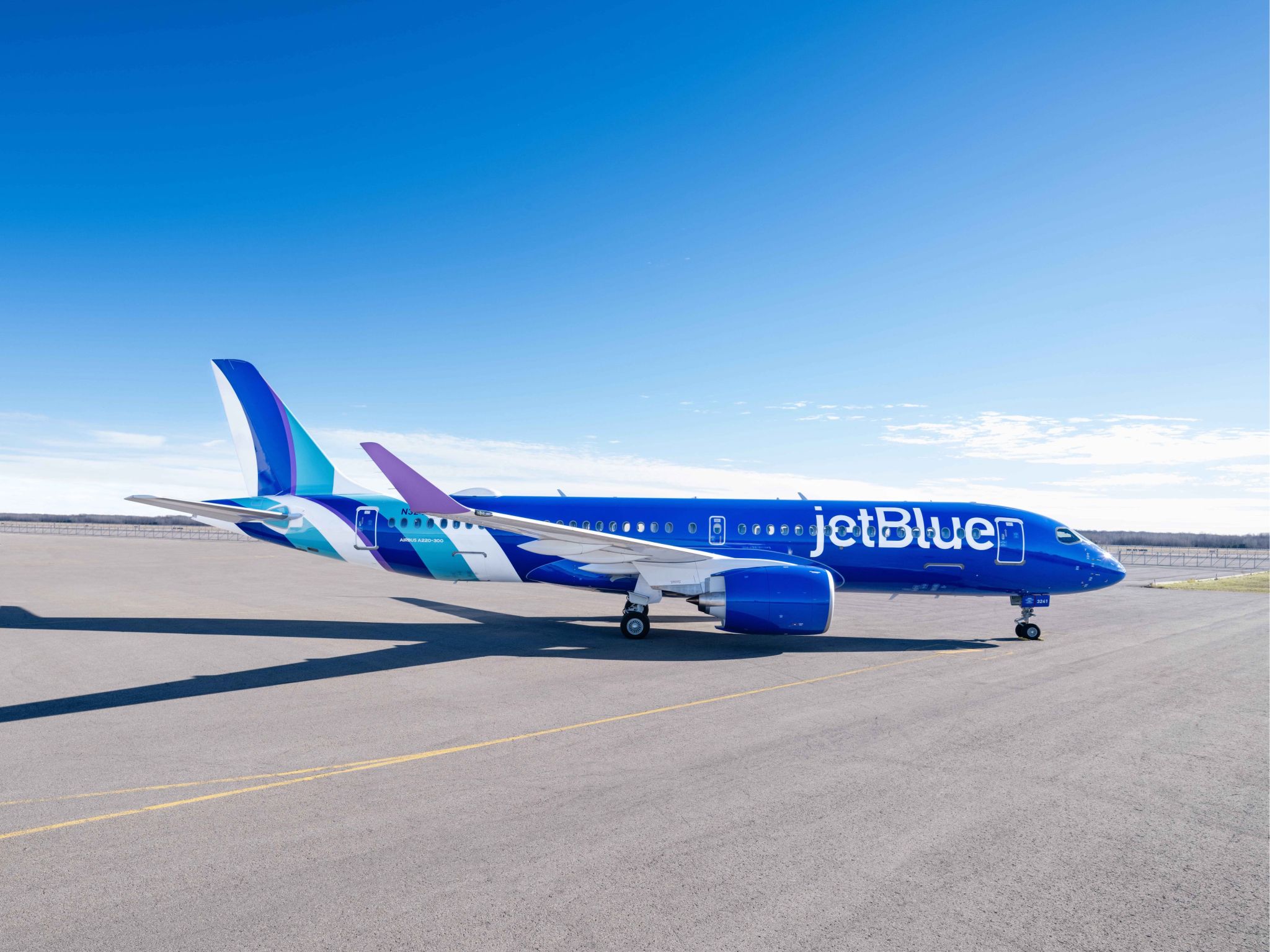
Photo: FlightGlobal
JetBlue Airways is aggressively expanding its footprint at Fort Lauderdale-Hollywood International Airport, positioning the South Florida hub as a central pillar in its long-term growth strategy. The move comes as the airline industry adjusts to major shifts in capacity following the collapse of Spirit Airlines, once the dominant carrier at the airport.
Already the largest airline operating in Fort Lauderdale, JetBlue is leveraging newly available gates, rising passenger demand, and reduced competition to rapidly scale operations. Executives say the airport has become one of the airline’s strongest-performing markets, with growth accelerating faster than many of its other U.S. locations.
JetBlue Strengthens Market Leadership in Fort Lauderdale
JetBlue currently holds roughly 36% of total seat capacity at Fort Lauderdale-Hollywood International Airport, a sharp increase from about 24% the previous year. The expansion reflects a rapid redistribution of market share following Spirit Airlines’ bankruptcy-driven collapse earlier in the year.
Flight activity has also surged significantly. The airline now operates approximately 106 daily flights from the airport, up from about 68 daily flights just a year earlier. That represents an increase of more than 50% in scheduled departures, highlighting how quickly JetBlue has filled the competitive gap left in the market.
From May through June alone, the airline expanded capacity by an additional 5%, even as many competitors reduced operations during the seasonal slowdown in Florida travel demand.
Executives say Fort Lauderdale has evolved into one of JetBlue’s most strategically important hubs outside of its traditional strongholds in New York and Boston.
Spirit Airlines Collapse Reshapes Competitive Landscape
The rapid expansion follows the downfall of Spirit Airlines, which previously held the leading position at Fort Lauderdale-Hollywood International Airport.
Spirit’s financial instability, driven by mounting debt pressures, rising operating costs, and sustained industry competition, culminated in a collapse earlier this year. The airline’s exit from key routes left a significant gap in airport capacity, triggering a scramble among carriers to secure gates, routes, and passenger demand.
JetBlue, along with several other airlines, moved quickly to expand services in the immediate aftermath of Spirit’s exit, positioning itself to capture both leisure and business travelers across South Florida.
Fort Lauderdale Becomes Strategic Growth Engine
JetBlue leadership has repeatedly highlighted Fort Lauderdale as a high-performing growth market.
According to airline executives, demand trends in the region have remained strong, particularly in leisure travel, visiting friends and relatives traffic, and expanding international routes to the Caribbean and Latin America.
The airline is now targeting approximately 150 daily flights during peak winter travel periods, including high-demand weeks such as Presidents Day and major school holiday seasons. If achieved, this scale would place Fort Lauderdale on par with JetBlue’s Boston Logan International Airport operation, currently one of its largest hubs outside New York.
The expansion is also closely tied to JetBlue’s broader financial turnaround strategy, which includes improving profitability through higher-value offerings, better route optimization, and increased premium seating capacity. The airline has not posted a profitable quarter in roughly two years, making network restructuring a central priority.
Premium Push and New Lounge Plans
A key part of JetBlue’s Fort Lauderdale strategy is the shift toward higher-margin premium travel services.
The airline has introduced enhanced cabin offerings, including domestic first-class seating, as part of its effort to attract business travelers and higher-yield passengers.
In addition, JetBlue is actively evaluating potential locations for a dedicated airport lounge in Fort Lauderdale. If finalized, it would become the airline’s third lounge globally, joining existing facilities at New York’s John F. Kennedy International Airport and Boston Logan International Airport.
Company executives say the lounge decision is still in the planning phase, but demand indicators suggest strong potential. The airport’s growing base of premium passengers, combined with increased international connectivity, has made a lounge increasingly viable from both a commercial and operational standpoint.
Industry analysts note that lounge access has become a critical differentiator among U.S. carriers competing for higher-value travelers, especially as airlines shift toward premium-heavy revenue models.
Expansion in International Connectivity
JetBlue is also expanding its international footprint from Fort Lauderdale, targeting destinations across Latin America and the Caribbean.
Recent additions include new routes such as Fort Lauderdale to Caracas, strengthening the airline’s presence in key South American markets. The expansion reflects broader industry trends, as U.S. carriers increase service to Latin American destinations driven by strong diaspora travel demand and limited low-cost competition following Spirit’s decline.
Competitor American Airlines continues to dominate the Miami International Airport market, operating the majority of its 100 Latin American and Caribbean destinations from the hub. Roughly 77 of those routes originate from Miami, reinforcing the airport’s position as a major international gateway.
JetBlue executives acknowledge that Miami remains a dominant competitor, but emphasize that Fort Lauderdale is carving out a distinct and growing market niche.
Competition Between Fort Lauderdale and Miami Intensifies
The South Florida aviation market is effectively defined by two major airports: Fort Lauderdale-Hollywood International Airport and Miami International Airport.
While Miami serves as a global hub with significantly larger international traffic volumes, Fort Lauderdale has become increasingly important for low-cost and leisure-oriented travel, as well as shorter-haul international routes.
JetBlue executives note that certain passenger segments will remain loyal to Miami due to established travel patterns and airline preferences. However, they believe that expanding Fort Lauderdale’s route network will significantly increase its attractiveness as an alternative gateway.
As additional international destinations are added and premium services expand, the airline expects Fort Lauderdale’s role in its overall network to continue growing.
Industry Outlook and Future Growth
JetBlue’s expansion strategy in Fort Lauderdale reflects broader changes across the U.S. airline industry, where carriers are increasingly focusing on high-demand leisure markets, premium service upgrades, and strategic hub optimization.
The redistribution of capacity following Spirit Airlines’ collapse has created new opportunities for competitors, with Fort Lauderdale emerging as one of the most dynamic growth markets in the country.
With rising passenger demand, expanding international routes, and a shift toward higher-value services, JetBlue is positioning Fort Lauderdale as a long-term growth engine that could play a central role in its financial recovery and future profitability.
As the competitive battle between South Florida airports continues, Fort Lauderdale is rapidly evolving from a secondary airport into a key strategic battleground for U.S. airlines competing for both domestic and international travelers.
.webp)
Popular articles



Subscribe to unlock premium content
The Secret Life of Pop-Up Luxury Restaurants in Paris

Speed, Luxury, and Adrenaline

From Wax to Wealth: Creative Candle-Making in the City

The Secret Life of Pop-Up Luxury Restaurants in Paris
Speed, Luxury, and Adrenaline
The Secret Life of Pop-Up Luxury Restaurants in Paris