Japan’s Exports Jump to Multi-Year High as China Demand Powers January Trade

Japan’s Exports Jump to Multi-Year High as China Demand Powers January Trade
By
David Goldfarb
Last updated:
February 18, 2026
First Published:
February 18, 2026

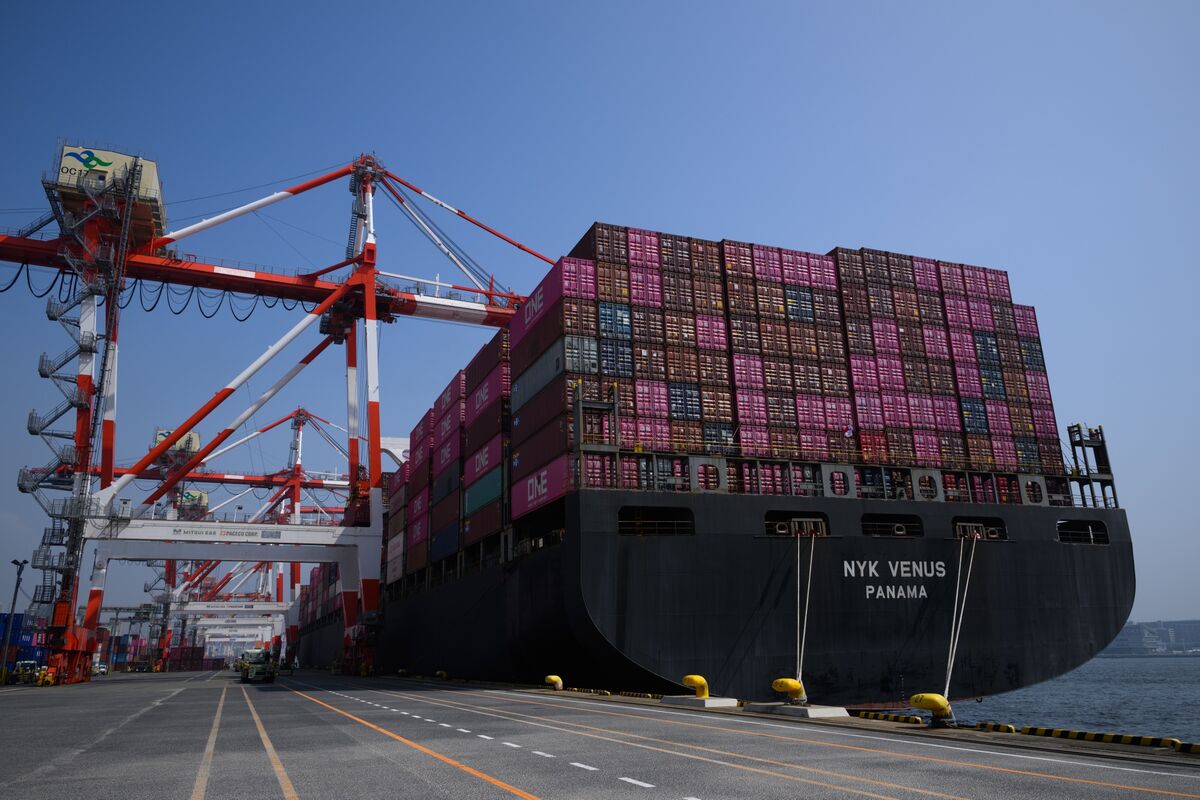
Photo: Bloomberg.com
A Powerful Start to the Year for Trade
Japan kicked off the year with a surprisingly strong trade performance, as exports surged 16.8% year over year in January — the fastest pace of growth since late 2022. The figure significantly exceeded market expectations of roughly 12% and marked a sharp acceleration from December’s 5.1% increase, highlighting renewed global demand for Japanese goods.
The surge was driven largely by a rebound in overseas orders and improving supply chains, offering a positive signal for the world’s fourth-largest economy after a subdued export performance last year.
China Leads the Demand Revival
Shipments to China — Japan’s largest trading partner — soared 32% compared with a year earlier, a dramatic jump from the 5.6% growth recorded in December. The increase came despite ongoing diplomatic tensions, underscoring how deeply integrated the two economies remain through manufacturing supply chains and consumer demand.
Exports to the United States, Japan’s second-largest export destination, fell 5% after an 11.1% decline the previous month, reflecting softer demand and lingering effects of trade frictions.
Regionally, shipments to Asia rose nearly 26%, while exports to Western Europe climbed more than 25%, together more than offsetting a 3.3% drop in exports to North America.
Sector Winners and Laggards
Several key industries powered the export boom. Food exports jumped 31.3%, supported by strong demand for premium agricultural and processed products. Machinery shipments rose 14.3%, while electrical machinery — including semiconductors and components critical for AI and electronics — climbed 27.3%.
Transport equipment, which accounts for more than one-fifth of Japan’s exports and includes automobiles and auto parts, edged up just 0.8%. The sector has faced headwinds from trade policy uncertainty and tariffs, particularly in the U.S. market, limiting its contribution to overall growth.
Imports Fall, Improving Trade Dynamics
While exports surged, imports unexpectedly declined 2.5% from a year earlier, defying expectations of a roughly 3% increase and reversing a 5.1% rise in December. The drop reflected weaker energy prices and cautious domestic demand, factors that could narrow the trade deficit and support Japan’s currency over time.
Financial markets reacted modestly to the data. The Nikkei 225 rose about 0.9%, while the broader Topix gained more than 1%. The yen strengthened slightly against the dollar, and benchmark government bond yields edged lower.
Broader Economic Context
The strong export print offers a welcome boost after a challenging year. Japan’s export growth slowed to just over 3% last year, well below the pace seen previously, as global demand cooled and trade uncertainties weighed on shipments.
Economic growth has also been modest. Japan’s GDP expanded only 0.1% year over year in the fourth quarter, with domestic demand providing most of the support while net exports dragged on growth. For the full year, the economy grew around 1.1%, underscoring the importance of a sustained trade recovery.
Exports had weakened through the middle of 2025 amid tariff concerns but began recovering toward year-end following a trade agreement that reduced certain duties to about 15%, helping restore confidence among exporters.
Investment Flows and Policy Backdrop
Trade ties with the United States remain central to Japan’s economic strategy. Recent announcements highlighted large-scale Japanese investment commitments in U.S. industrial and energy projects, part of a broader pledge worth hundreds of billions of dollars aimed at strengthening bilateral economic cooperation and supply chains.
At the same time, political developments — including election outcomes and high-level meetings between leaders — continue to shape expectations for trade policy, investment flows, and market sentiment.
Why the Data Matters
January’s export surge suggests global demand for Japanese manufacturing, technology components, and high-value goods is regaining momentum. If sustained, the rebound could help offset domestic economic softness and support corporate earnings through the year.
However, the uneven performance across regions and sectors highlights lingering vulnerabilities, particularly in autos and North American demand. The trajectory of global growth, currency movements, and trade policy will remain key determinants of whether Japan can maintain this pace in the coming quarters.
.webp)
Popular articles



Subscribe to unlock premium content
Chile’s Desert Skies Are Becoming the World’s Most Exclusive Destination

The Rise of Heritage Manor Stays in the United Kingdom Countryside

H&M’s Circular Fashion Model Is Redefining Fast Fashion’s Future

Chile’s Desert Skies Are Becoming the World’s Most Exclusive Destination
The Rise of Heritage Manor Stays in the United Kingdom Countryside
Chile’s Desert Skies Are Becoming the World’s Most Exclusive Destination