Japan Accuses Chinese Fighter Jets of Targeting Its Aircraft With Radar Near Okinawa

Japan Accuses Chinese Fighter Jets of Targeting Its Aircraft With Radar Near Okinawa
By
Calder Monroe
Last updated:
December 8, 2025
First Published:
December 8, 2025

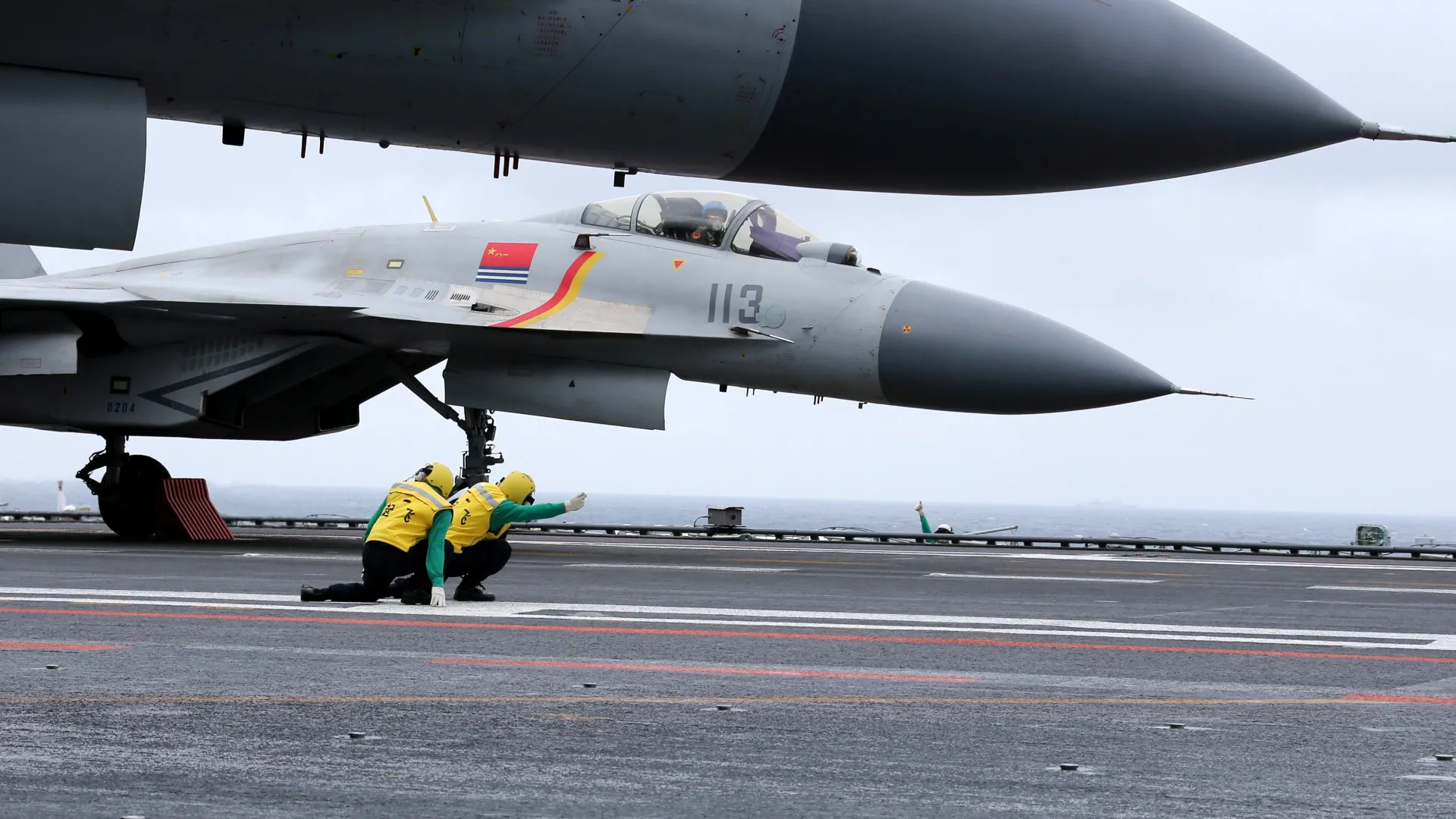
Photo: Al Jazeera
Japan has accused Chinese fighter jets of directing radar at its military aircraft in two separate incidents near the Okinawa islands, describing the encounters as “dangerous” escalations that exceeded acceptable safety standards. Tokyo said the incidents occurred Saturday during heightened tensions in the East China Sea, a region where both countries routinely conduct patrols, surveillance flights, and naval exercises.
Prime Minister Sanae Takaichi condemned the radar targeting as “extremely regrettable” and confirmed that Japan lodged a formal protest with Beijing. According to Japanese officials, the radar emissions came from Chinese J-15 fighter jets operating from the Liaoning aircraft carrier, which was maneuvering south of Okinawa along with three missile destroyers.
China dismissed the accusations, claiming Japan’s account was inaccurate and that its aircraft interfered with Chinese naval training operations that had been publicly announced in advance.
Japan’s Reaction and Diplomatic Pushback
Defense Minister Shinjiro Koizumi, after meeting Australian Defence Minister Richard Marles in Tokyo, vowed that Japan would respond “resolutely and calmly” to prevent further destabilization in the region. Koizumi emphasized that Japan’s response would align with international aviation safety norms and broader regional security commitments.
Marles expressed Australia’s support for Japan, stating that China’s actions in the past 24 hours were deeply concerning. Both ministers reaffirmed their countries’ intent to expand defense cooperation under a rules-based security framework.
Japan said it scrambled F-15 fighters after detecting the Chinese carrier’s flight operations. Officials did not disclose whether the radar beam constituted a lock-on, but noted that any radar illumination is considered an aggressive signal that could force pilots to take evasive maneuvers.
China, through navy spokesperson Colonel Wang Xuemeng, insisted that Japanese aircraft were the ones acting provocatively. He accused Japan of “distorting the facts,” demanded an end to what Beijing calls slander, and warned that China would safeguard its security interests through “necessary measures.”
Rising Friction Over Taiwan
The incidents come amid rapidly intensifying China-Japan friction over Taiwan. Tokyo has publicly warned that any Chinese military action against Taiwan—located just 110 kilometers from Japan’s westernmost island Yonaguni—could trigger Japanese involvement if it compromises national security.
China claims Taiwan as its territory and has escalated both military operations and political pressure on the island. In recent weeks, Beijing has advised Chinese citizens not to travel to Japan and withheld plans to resume seafood imports halted after Japan’s release of treated water from the Fukushima nuclear plant.
China’s warnings extend into the Taiwan Strait, where it asserts full sovereignty. The United States and Taiwan reject that claim, insisting the strait remains an international waterway vital to global maritime trade.
Historical Precedent and Military Build-Up
Radar confrontations are not new. In 2013, Japan accused a Chinese warship of locking radar onto one of its destroyers in the East China Sea. In 2016, China alleged Japanese aircraft targeted Chinese fighters with onboard radar systems. Earlier this year, Japan criticized Chinese jets for flying perilously close to its patrol aircraft near Okinawa.
Satellite intelligence and defense reports indicate China had over 100 naval and coast-guard vessels deployed across East Asian waters last week, underscoring a significant uptick in maritime and aerial activity. Taiwan responded by boosting monitoring operations and has accused China of using ambiguous language in official statements to facilitate psychological pressure and destabilization efforts.
U.S. Position and Strategic Implications
While the U.S. State Department and the U.S. Embassy in Tokyo have not commented on the latest radar incidents, American diplomats such as Ambassador George Glass have expressed public support for Japan in recent weeks. The Trump administration, in a newly released strategic document, emphasized the goal of deterring conflict with China by bolstering U.S. and allied military strength across the Indo-Pacific.
Sources familiar with diplomatic exchanges said former President Donald Trump urged Prime Minister Takaichi in a recent call not to escalate tensions. This followed a conversation between Trump and Chinese President Xi Jinping, in which Xi asserted that Taiwan’s reunification was central to China’s long-term strategic vision.
Situation in the Taiwan Strait
Taiwan’s coast guard confirmed that it was monitoring activity by three Chinese maritime safety ships operating on the western side of the strait’s median line. While Taiwan described the situation as stable, it accused China of using misleading wording to justify harassment and psychological operations.
Chinese state media said the ships were conducting search-and-rescue drills in central strait waters, particularly in zones with heavy traffic and frequent maritime accidents.
The radar-targeting incidents near Okinawa highlight an increasingly fragile security environment, shaped by competing territorial claims, intensifying military maneuvers, and deepening disputes over Taiwan. As China expands its regional activity and Japan reinforces defense partnerships with allies such as the United States and Australia, the risk of miscalculation continues to rise.
.webp)
Popular articles



Subscribe to unlock premium content
Immersive Worlds on Stage

Freedom on Wheels in Portugal

a very very descriptive final thoughts

Immersive Worlds on Stage
Freedom on Wheels in Portugal
Immersive Worlds on Stage