Intel Shares Plunge 13% After Strong Q4 Results But Weak Guidance Sparks Investor Concerns

Intel Shares Plunge 13% After Strong Q4 Results But Weak Guidance Sparks Investor Concerns
By
Rachel Steinberg
Last updated:
January 23, 2026
First Published:
January 23, 2026

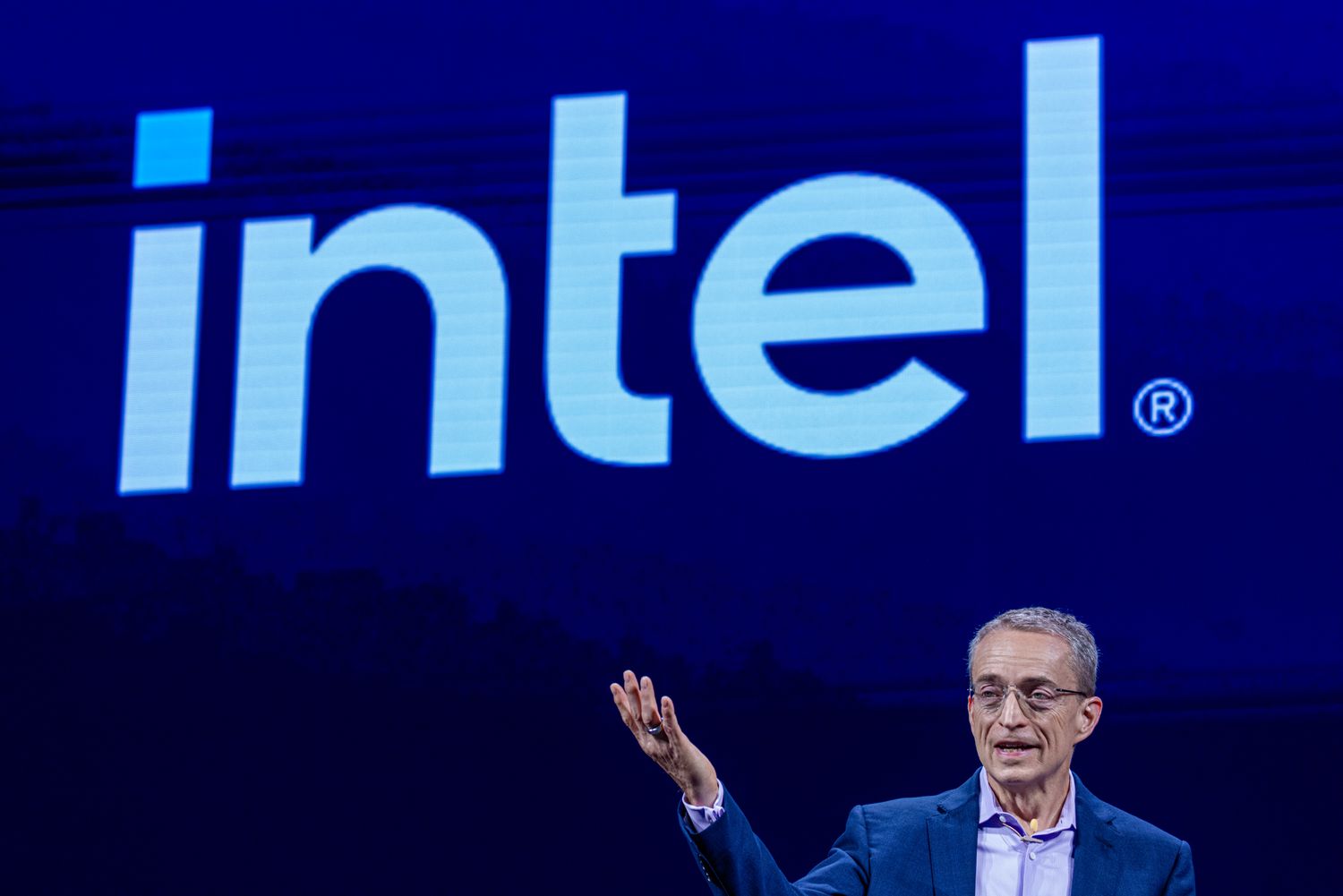
Getty Images
Mixed Fourth-Quarter Results
Intel reported fourth-quarter earnings that beat Wall Street expectations, yet the company sent shares tumbling as much as 13% in after-hours trading following softer-than-expected guidance for the first quarter.
The chip giant posted adjusted earnings of 15 cents per share, surpassing analyst estimates of 8 cents, while revenue came in at $13.7 billion, slightly above the $13.4 billion expected. Despite the beats, Intel recorded a net loss of $600 million, or 12 cents per diluted share, compared with a $100 million loss, or 3 cents per share, during the same period last year.
Weak Guidance for Q1 Raises Concerns
Intel’s outlook for the first quarter fell below expectations, with projected revenue of $11.7 billion to $12.7 billion and breakeven adjusted earnings per share, versus analysts’ consensus of $12.51 billion in sales and 5 cents EPS.
Chief Financial Officer David Zinsner attributed the cautious guidance to limited supply availability, noting that the company expects improvements in the second quarter. CEO Lip-Bu Tan added that Intel is focused on improving manufacturing efficiency, or yield, to meet growing customer demand.
“Our yields are in line with internal plans but remain below the levels I aim for,” Tan said on a call with analysts, highlighting the company’s ongoing challenges in scaling production.
Growth Areas and Product Highlights
Intel continues to generate optimism around its next-generation chip technologies. The company’s 18A manufacturing process, positioned to rival TSMC’s 2nm nodes, has “over-delivered,” signaling readiness for volume production of products such as the Core Ultra Series 3 CPUs.
Data Center and AI chip sales reached $4.7 billion in Q4, up 9% year over year, reflecting surging demand for artificial intelligence infrastructure. Laptop chips, reported under the Client Computing Group, declined 7% to $8.2 billion, underlining continued softness in consumer PC demand.
The foundry business, which manufactures chips for other companies as well as Intel’s own products, contributed $4.5 billion in revenue for the quarter. Zinsner indicated that customers for the upcoming 14A technology would emerge in the second half of the year, with significant capital spending expected to follow.
Investor Expectations and Market Reactions
Intel’s stock has rallied 147% over the past year, fueled by anticipation that the company will secure a major anchor client for its foundry operations. Investments from the U.S. government, SoftBank, and Nvidia—combined with Nvidia’s $5 billion stock purchase during the quarter—have reinforced market confidence in Intel’s strategic positioning.
Despite strong Q4 performance, the soft Q1 guidance and ongoing supply constraints highlight the challenges the chipmaker faces in meeting both consumer and AI-driven demand, leaving investors cautious and shares under pressure.
.webp)
Popular articles



Subscribe to unlock premium content
Zara’s Hyper-Fast Fashion Supply Chain Is Changing Global Retail

The Rise of Apple Stores as Experiential Brand Centers Worldwide

Boutique Eco-Lodges in Costa Rica Redefining Ultra-Luxury Travel

Zara’s Hyper-Fast Fashion Supply Chain Is Changing Global Retail
The Rise of Apple Stores as Experiential Brand Centers Worldwide
Zara’s Hyper-Fast Fashion Supply Chain Is Changing Global Retail