India’s Weight-Loss Drug Market Shifts as Generics Surge, Pressuring Global Pharma Giants

India’s Weight-Loss Drug Market Shifts as Generics Surge, Pressuring Global Pharma Giants
By
Alina Sinclair
Last updated:
April 10, 2026
First Published:
April 10, 2026

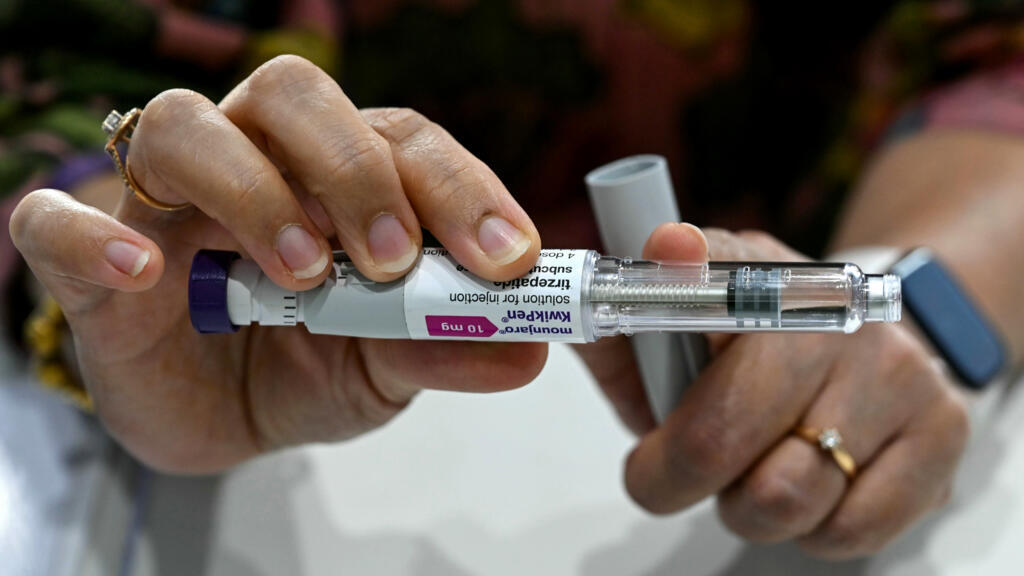
Photo: France 24
India’s fast-evolving weight-loss drug market is entering a new phase of intense competition, with a flood of low-cost generics rapidly altering the balance of power. In March, Eli Lilly saw its market share in the GLP-1 segment decline sharply to 56%, down from 61% in February, signaling early pressure from pricing disruption. Meanwhile, Novo Nordisk managed to hold its ground at 25%, showing resilience despite mounting competition.
At the center of this shift is semaglutide, the active ingredient behind blockbuster drugs like Ozempic and Wegovy. Following the expiration of key patents, Indian pharmaceutical companies have moved aggressively, launching 26 different brands of semaglutide in just a few weeks. Backed by 13 domestic drugmakers, this wave of generics has significantly reduced entry barriers and expanded access to millions of patients.
India represents one of the most strategically important healthcare markets globally. With over 100 million people living with diabetes and nearly 25% of the population classified as overweight or obese, demand for GLP-1 therapies is structurally strong. The country’s robust generics ecosystem, which supplies roughly 20% of the world’s generic medicines, has once again demonstrated its ability to disrupt global pricing models at scale.
The immediate impact has been felt more strongly by Eli Lilly, whose flagship drug Mounjaro is based on tirzepatide, a newer and more effective but significantly more expensive molecule. Monthly treatment costs for Mounjaro in India start at approximately ₹13,800, making it more than twice the price of branded semaglutide therapies and up to ten times more expensive than the lowest-priced generics now available.
This widening price gap is rapidly influencing patient and physician behavior. Generic semaglutide options are now available at prices as low as ₹1,290 per month, while higher-end generics cluster around ₹4,200. In response, Novo Nordisk has initiated aggressive price cuts, reducing the cost of Ozempic by 38% and Wegovy by 48%. Its revised pricing starts at approximately ₹5,660 per month, significantly narrowing the premium over generics and reinforcing its competitive positioning.
Market dynamics are also being shaped by changing consumer behavior. A growing segment of demand is coming from short-term users seeking rapid weight loss for events such as weddings or social occasions. This trend favors affordability over long-term efficacy, giving lower-cost semaglutide generics an immediate advantage. However, tirzepatide-based treatments like Mounjaro are still viewed by many specialists as more effective, particularly for sustained weight management, suggesting a future segmentation of the market based on income levels and treatment goals.
Industry analysts expect this divergence to deepen. Over time, premium therapies such as tirzepatide may become increasingly concentrated among affluent patients, while semaglutide—especially in generic form—dominates mass-market adoption. Physician confidence in the quality and consistency of generics will be a decisive factor in determining how quickly this transition accelerates over the next 12 to 18 months.
Looking ahead, the growth trajectory of India’s GLP-1 market remains robust. Current estimates suggest the market could expand nearly fivefold, reaching ₹50 billion by 2030, with more optimistic projections placing it above $1.2 billion. This growth will be fueled by rising chronic disease prevalence, increased awareness of obesity management, and continued price competition driven by generics.
Domestic pharmaceutical leaders are already positioning themselves to capture this opportunity. Companies such as Sun Pharmaceutical Industries, Torrent Pharmaceuticals, Dr. Reddy’s Laboratories, and Zydus Lifesciences are among the key contenders expected to dominate the next phase of growth. While dozens of players have entered the market, industry consolidation is likely, with demand eventually concentrating among a handful of major brands.
In the near term, India’s weight-loss drug market is set to remain highly volatile, defined by price wars, shifting consumer preferences, and rapid innovation. For global pharma giants, the challenge is no longer just clinical superiority, but the ability to compete in one of the world’s most price-sensitive yet high-potential healthcare markets.
.webp)
Popular articles



Subscribe to unlock premium content
Visa and the Invisible Engine Powering Global Digital Money
Disney’s Streaming Empire Built on Regional Storytelling Power

The Slow Revolution of Steel and Memory Across Eastern Europe

Visa and the Invisible Engine Powering Global Digital Money
Disney’s Streaming Empire Built on Regional Storytelling Power
Visa and the Invisible Engine Powering Global Digital Money