India’s Industrial Growth Hits 14-Month Low as October Output Barely Expands

India’s Industrial Growth Hits 14-Month Low as October Output Barely Expands
By
Calder Monroe
Last updated:
December 2, 2025
First Published:
December 2, 2025

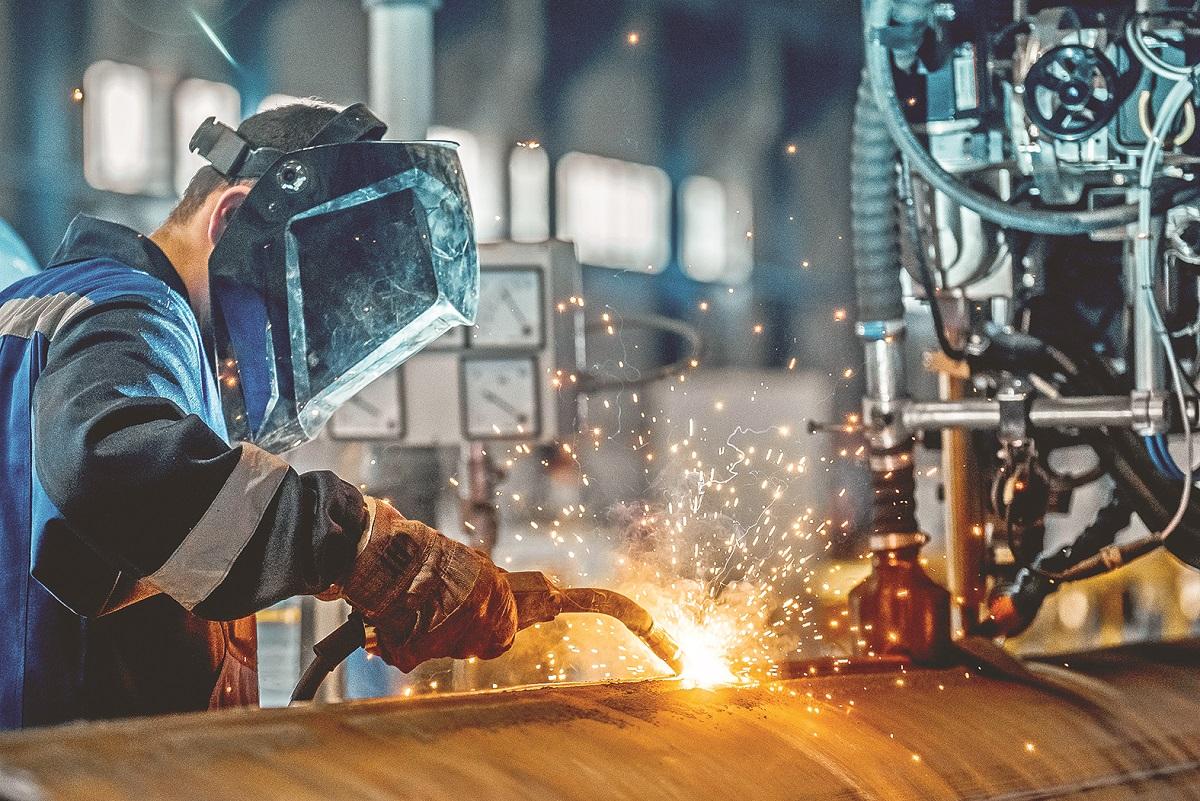
Photo: Business Standard
Industrial Output Drops Sharply Below Forecasts
India’s industrial sector slowed dramatically in October, with the Index of Industrial Production rising just 0.4 percent, far below the 3.1 percent expansion projected in a Reuters poll. This marks the weakest performance in 14 months and follows a solid 4 percent growth rate recorded in September.
The Ministry of Statistics and Programme Implementation attributed the slowdown partly to a reduced number of working days due to major festivals including Dussehra and Deepawali. However, the figures also highlight a broader deceleration in industrial momentum heading into the final quarter of the year.
Manufacturing Weakens While Mining and Electricity Decline
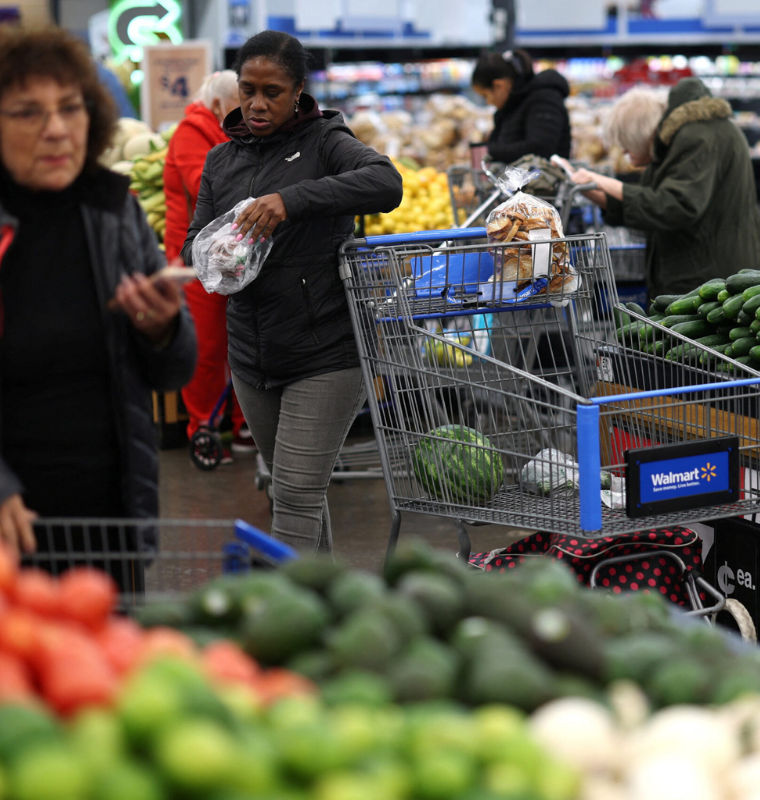
Across key industrial segments, performance was broadly negative. Manufacturing output increased only 1.8 percent in October, a sharp deceleration from the 4.8 percent rise in September. Mining output contracted by 1.8 percent, while electricity generation posted a steep 6.9 percent decline, suggesting weaker demand and operational disruptions.
These three major components—manufacturing, mining and electricity—form the backbone of the IIP index and collectively indicate a cooling industrial environment. Electricity’s sharp drop marks one of the sector's steepest monthly declines in more than a year.
India’s eight core industries, which include steel, cement, fertilizers and electricity, contribute 40 percent of the IIP’s total weight. Their muted performance dragged the overall index lower despite pockets of improvement in consumer-oriented categories.
Consumption Strength Improves After GST Cuts
Domestic consumption showed noticeable improvement across key categories after the government’s goods and services tax reductions took effect on September 22. The cuts were introduced to help boost spending ahead of key festival periods and offset the impact of external trade pressures.
October was especially significant as New Delhi implemented additional GST adjustments aimed at stimulating demand and cushioning the economy from the 50 percent U.S. tariff imposed on Indian goods earlier in the year. Despite those tariffs, India’s GDP growth surpassed expectations in the July–September quarter, accelerating to above 8 percent compared with 7.8 percent in the previous quarter.
Economists Expect Consumption to Support Growth Despite Weak Exports
Dipti Deshpande, principal economist at Crisil, said that “sturdy consumption demand” will help counteract weaker export activity between October and December, offering some support to the manufacturing sector. She highlighted improvements in rural incomes, easing inflation, lower borrowing costs and recent tax relief measures as factors that should keep consumption resilient.
However, Deshpande noted that the central government may scale back capital expenditure in the second half of the fiscal year as it attempts to manage fiscal deficit pressures amid softer tax revenues.
Short-Term Outlook Remains Cautious
The IIP serves as a key indicator of short-term industrial trends, tracking output across sectors such as textiles, machinery, chemicals, food processing and infrastructure goods. While September’s 4 percent growth benefited from inventory buildup ahead of the extended festive season, October’s slowdown signals weaker production rhythms and potential supply-side disruptions.
Economists expect industrial performance to stabilize over the coming months as festival-related distortions ease and consumption gains traction. Still, the combination of global trade headwinds, elevated tariffs and sector-specific challenges means India’s industrial sector enters the next quarter with caution and mixed momentum.

Popular articles


Subscribe to unlock premium content
London’s Gourmet Playgrounds
From Bean to Buzz in Thailand
The Secret Life of Pop-Up Luxury Restaurants in Paris

London’s Gourmet Playgrounds
From Bean to Buzz in Thailand
London’s Gourmet Playgrounds