India Keeps Interest Rates Steady as Middle East Conflict Fuels Inflation Concerns

India Keeps Interest Rates Steady as Middle East Conflict Fuels Inflation Concerns
By
Alina Sinclair
Last updated:
April 8, 2026
First Published:
April 25, 2026

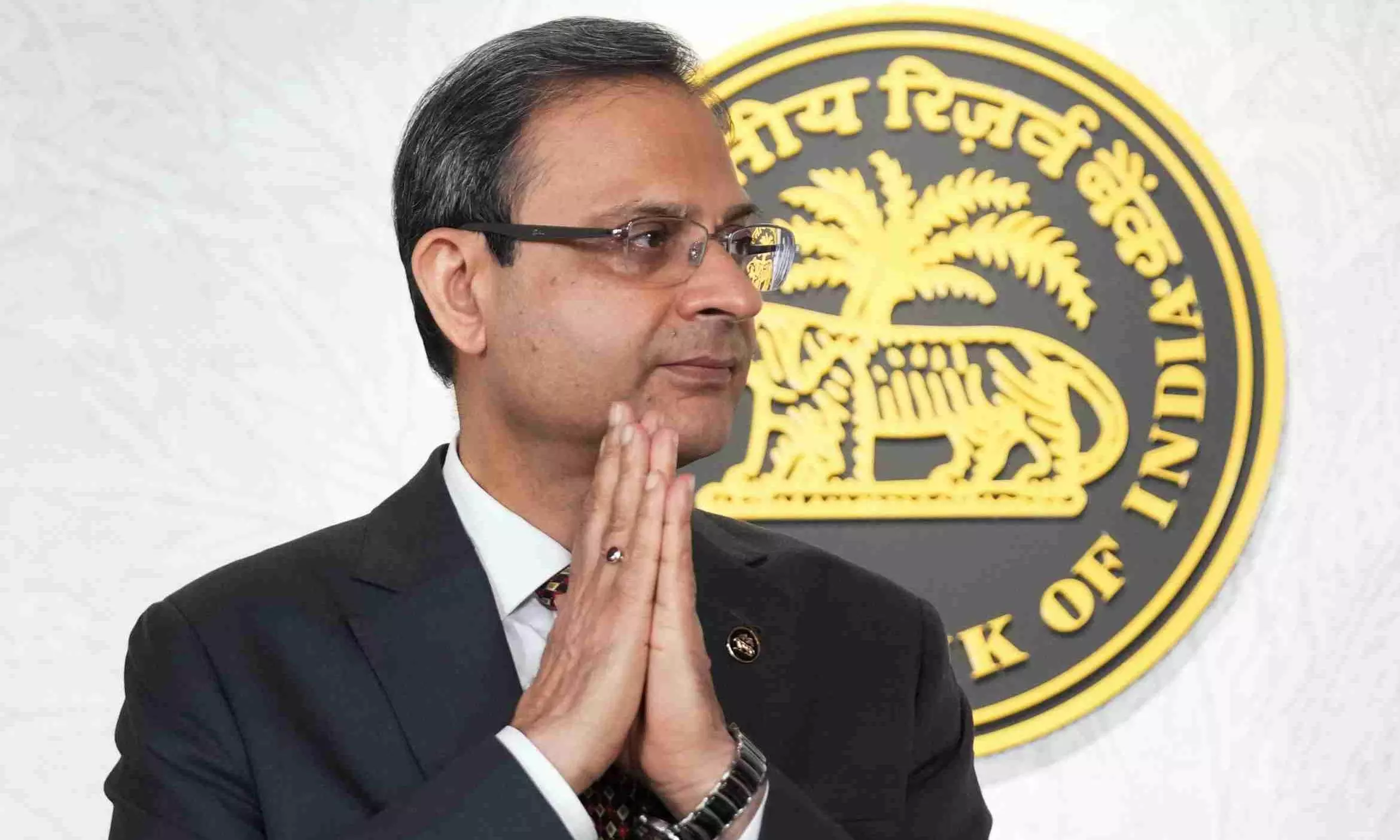
India’s central bank, the Reserve Bank of India, has opted to hold its benchmark policy rate at 5.25%, maintaining a cautious stance as geopolitical tensions in the Middle East threaten to reignite inflationary pressures.
The decision, widely anticipated by economists in a Reuters poll, reflects a balancing act between sustaining strong domestic growth and guarding against external shocks. With India continuing to lead as the world’s fastest-growing major economy, policymakers appear confident that current conditions allow for a pause in rate adjustments—at least for now.
A Delicate Inflation Landscape
Inflation in India has been gradually ticking upward, with consumer prices rising to 3.21% in February from 2.75% the previous month. While still within the central bank’s target range, the upward trend has drawn attention, particularly given the uncertain global backdrop.
Sanjay Malhotra, Governor of the Reserve Bank of India, emphasized that while food prices remain stable in the near term, energy costs are emerging as a significant risk. The ongoing Middle East conflict, particularly involving Iran, has pushed oil prices higher, increasing import bills for a country heavily dependent on energy imports.
India imports over 80% of its crude oil needs, making it especially vulnerable to global supply disruptions. Any sustained rise in oil prices tends to ripple across the economy, impacting transportation, manufacturing, and ultimately consumer prices.
Growth Remains Strong but Faces Headwinds
Despite these concerns, India’s growth story remains robust. The economy expanded by an impressive 7.8% in the December quarter, exceeding expectations and reinforcing its position as a global growth leader.
However, cracks are beginning to show. V. Anantha Nageswaran, India’s Chief Economic Advisor, has cautioned that the country’s growth forecast of 7.0% to 7.4% for the financial year ending March 2027 faces meaningful downside risks. Rising energy costs, supply chain disruptions, and global uncertainty could all weigh on economic momentum in the months ahead.
He further noted that disruptions to key commodity supplies—including oil, natural gas, and fertilizers—could increase production costs across sectors. This, in turn, may squeeze corporate margins and reduce consumer purchasing power.
Global Conflict Disrupts Trade and Supply Chains
The conflict, which escalated following U.S. and Israeli strikes on Iran, has had immediate implications for global trade routes. The Strait of Hormuz, a strategic chokepoint responsible for roughly 20% of global oil shipments, has experienced disruptions, driving up freight and insurance costs.
For India, the implications are significant. Higher logistics costs and delayed shipments can slow industrial activity and increase inflationary pressures simultaneously—a challenging combination for policymakers.
There was a brief moment of relief as the U.S. and Iran signaled a temporary ceasefire, with assurances that safe passage for ships would be maintained for a limited period. However, markets remain cautious, viewing the situation as fragile and subject to rapid change.
Early Signs of Economic Cooling
Recent business activity data suggests that the broader economy may already be feeling the strain. According to the HSBC Flash Purchasing Managers’ Index compiled by S&P Global, India’s private sector activity slowed in March to its weakest level since October 2022.
Surveyed companies pointed to a combination of geopolitical tensions, rising input costs, and uncertain demand conditions as key factors dampening growth. This slowdown, while not severe, indicates that external risks are beginning to filter into domestic economic performance.
Policy Outlook: Watchful and Data-Driven
The Reserve Bank of India’s decision to hold rates signals a wait-and-watch approach. Policymakers are likely to remain data-dependent, closely monitoring inflation trends, global oil prices, and geopolitical developments before making their next move.
If inflation accelerates further, especially due to sustained energy price shocks, the central bank may be forced to tighten policy again. On the other hand, if growth slows more sharply than expected, there could be room for easing.
For now, the message is clear: India’s economic fundamentals remain strong, but in an increasingly volatile global environment, caution is the central bank’s most valuable tool.
.webp)
Popular articles



Subscribe to unlock premium content
Beyoncé’s Wellness Retreats Redefine Luxury Lifestyle

Skiing Above the Skyline

ED by Ellen Redefines Celebrity Media

Beyoncé’s Wellness Retreats Redefine Luxury Lifestyle
Skiing Above the Skyline
Beyoncé’s Wellness Retreats Redefine Luxury Lifestyle