IMAX Buyout Buzz Sparks Wall Street Excitement as Potential Buyers Circle Premium Cinema Giant

IMAX Buyout Buzz Sparks Wall Street Excitement as Potential Buyers Circle Premium Cinema Giant
By
Rachel Steinberg
Last updated:
May 23, 2026
First Published:
May 23, 2026

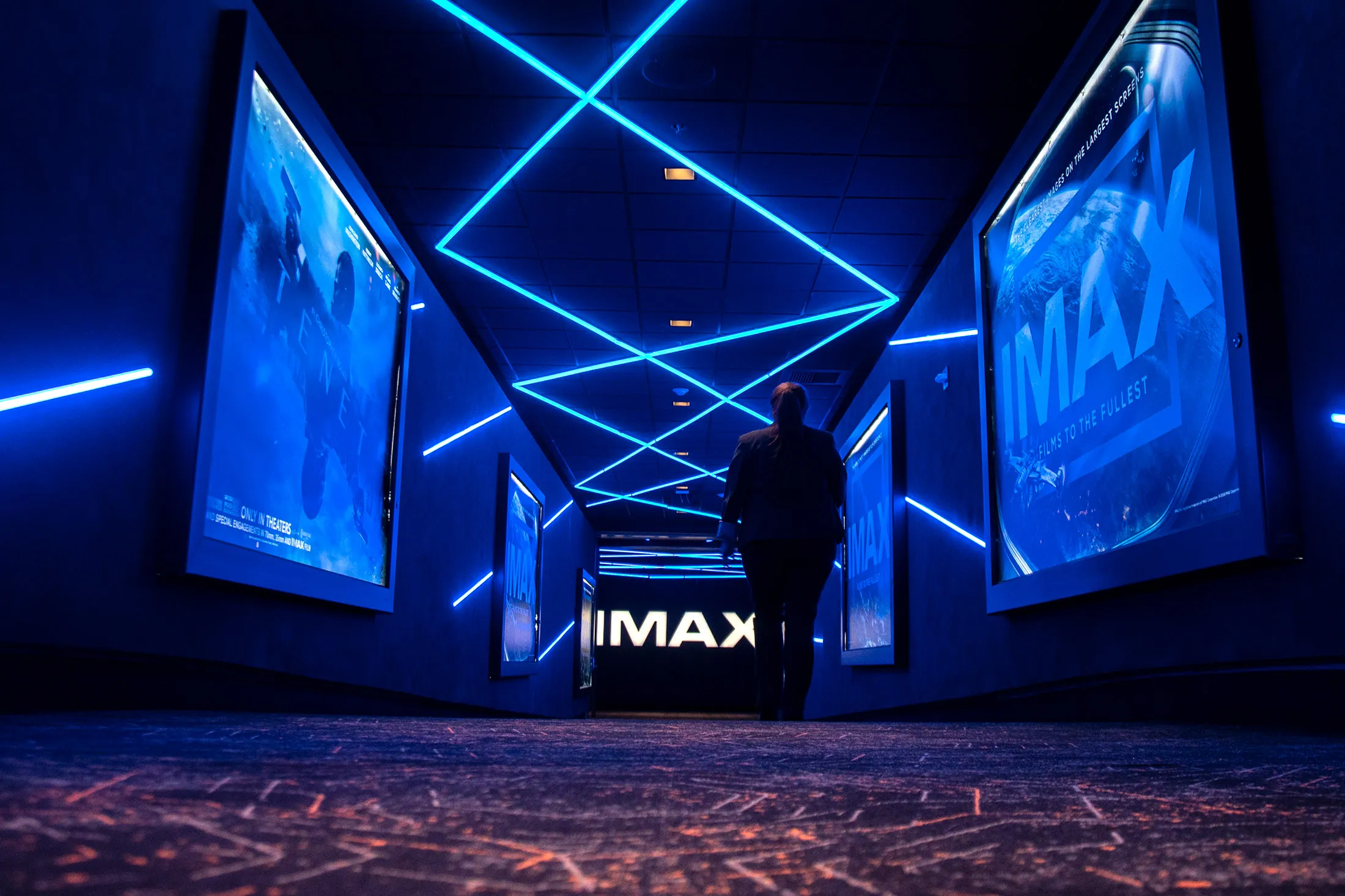
Photo: Bloomberg.com
Wall Street is increasingly focused on IMAX after speculation emerged that the premium cinema technology company may be exploring strategic alternatives, including a potential sale. Investor excitement pushed IMAX shares sharply higher, with the stock rising around 14% during trading as markets reacted to reports of early discussions involving possible acquisition scenarios.
While no formal sale process appears to be underway, industry analysts believe IMAX has become one of the most attractive assets in entertainment technology, with a unique business model, strong brand recognition, and expanding global opportunities making it a potentially valuable target.
The speculation has opened a larger conversation about who might acquire IMAX and why a deal could make strategic sense.
Early Discussions Put IMAX in the Spotlight
Reports indicate that preliminary conversations have taken place through intermediaries, although no official acquisition pitches have reportedly been made by the company itself.
The discussions were enough to ignite investor interest because IMAX occupies a unique position in the entertainment ecosystem.
Unlike traditional movie theater chains that depend heavily on ticket sales and physical locations, IMAX operates a more flexible business structure centered around technology licensing, premium formats, and partnerships.
Company leadership has also previously acknowledged the value of the business.
During an investor event last year, CEO Rich Gelfond suggested that IMAX could continue succeeding independently or potentially become even more valuable as part of a larger organization.
Those comments have gained renewed attention as acquisition speculation grows.
Why Analysts Believe IMAX Is Undervalued
Wall Street analysts broadly view IMAX as a company trading below what its business fundamentals may justify.
At recent trading levels around $39 per share, IMAX carried a market value near $2.1 billion.
For major technology companies, media firms, or global entertainment businesses, that valuation could represent a relatively modest purchase.
Analysts point to several major strengths:
• Globally recognized premium brand identity
• Asset-light licensing business model
• Strong recurring revenue streams
• Growing profit margins
• Expanding global footprint
• Diversified content strategy
Unlike theater operators that face heavy real estate and operating costs, IMAX earns significant revenue through licensing agreements and technology partnerships.
This creates higher efficiency and scalability compared with traditional cinema businesses.
Analysts believe that combination gives IMAX what many investors describe as a strong competitive moat.
Potential Buyers Could Come From Multiple Industries
One reason the market has reacted so strongly is because the potential buyer list appears unusually broad.
Possible suitors discussed by analysts include:
• Netflix
• Apple
• Sony
• Amazon
• Disney
• Comcast / NBCUniversal
• Sphere Entertainment
• Private equity firms
• International entertainment investors
Each candidate would potentially bring different advantages.
Netflix, for example, has historically relied less on theatrical releases than traditional studios, reducing potential conflicts involving release schedules and screen access.
Ownership of IMAX could also strengthen Netflix's relationships with major filmmakers by giving them premium theatrical capabilities.
Apple and Sony present another interesting possibility because both operate across technology and content sectors.
Apple combines hardware, software, and streaming services, while Sony maintains strong positions in entertainment, gaming, and film production.
Private equity firms could also emerge as strong candidates because they would avoid competitive issues involving studios and theater ownership.
Traditional Studios May Face Complications
Although major Hollywood studios have financial resources to pursue an acquisition, analysts believe certain challenges could reduce their interest.
IMAX screens are limited premium assets, and studios regularly compete for release windows.
If one major studio controlled IMAX, rival studios could become reluctant to share premium distribution opportunities.
The same issue applies to major theater chains.
A single exhibitor controlling IMAX technology could create concerns around access and revenue sharing.
These competitive dynamics make technology companies and financial buyers appear more likely candidates than traditional entertainment operators.
IMAX Is Delivering Strong Financial Performance
The acquisition interest arrives as IMAX continues showing strong operational momentum.
Last year the company generated a record $1.28 billion in global box office revenue, representing more than 40% growth compared with the prior year and surpassing previous records established before the pandemic.
Analysts expect continued expansion.
Revenue projections suggest IMAX could generate approximately $448 million in 2026, compared with roughly $396 million achieved during 2019.
Adjusted earnings estimates are also expected to increase significantly.
Yet despite improving performance metrics, analysts argue the company's market valuation still has not fully recovered to levels seen before pandemic disruptions.
That disconnect is one reason investors increasingly view IMAX as undervalued.
Future Content Pipeline Remains Strong
One of IMAX's biggest strengths remains its content lineup.
The company's "Filmed for IMAX" strategy continues expanding as filmmakers increasingly design movies specifically for larger premium screens.
Previous successes have included blockbuster titles such as:
• Oppenheimer
• Avatar
• Multiple films from the Marvel Cinematic Universe
• Major releases from Christopher Nolan
Upcoming content expected to support future growth includes:
• The Odyssey
• Dune: Part Three
• Toy Story 5
• Supergirl
• Hunger Games: Sunrise on the Reaping
The company is also expanding beyond Hollywood by strengthening partnerships in markets including China, Japan, and South Korea, increasing local language content and reducing reliance on a single region.
Alternative programming opportunities such as live sports broadcasts and special events are creating additional revenue channels.
Expansion Plans Continue Building Momentum
IMAX is still actively growing its physical network despite industry concerns around traditional theaters.
The company expects roughly 160 to 175 new system installations during 2026 and already has agreements for hundreds more installations in future years.
This growth demonstrates continued demand for premium experiences as consumers increasingly choose high quality viewing environments over standard cinema offerings.
The Bigger Picture
The market reaction surrounding IMAX reflects more than takeover excitement.
Investors increasingly see the company as a rare combination of technology platform, premium entertainment brand, and scalable business model.
Whether IMAX remains independent or eventually becomes part of a larger company, analysts believe its strategic value continues increasing as audiences shift toward premium experiences and filmmakers create more content specifically designed for immersive viewing.
For now, Wall Street appears convinced of one thing: IMAX may be far more valuable than its current market price suggests.
.webp)
Popular articles



Subscribe to unlock premium content
Celebrity-Endorsed High-Altitude Vineyards Transform Luxury Wine Market

Liquid Luxury on Ice

Hollywood’s Forgotten Treasures Become the Ultimate Status Symbol

Celebrity-Endorsed High-Altitude Vineyards Transform Luxury Wine Market
Liquid Luxury on Ice
Celebrity-Endorsed High-Altitude Vineyards Transform Luxury Wine Market