How a Miner’s Ripped Pants Sparked a Fashion Empire

How a Miner’s Ripped Pants Sparked a Fashion Empire
By
Rachel Steinberg
Last updated:
December 8, 2025
First Published:
December 8, 2025

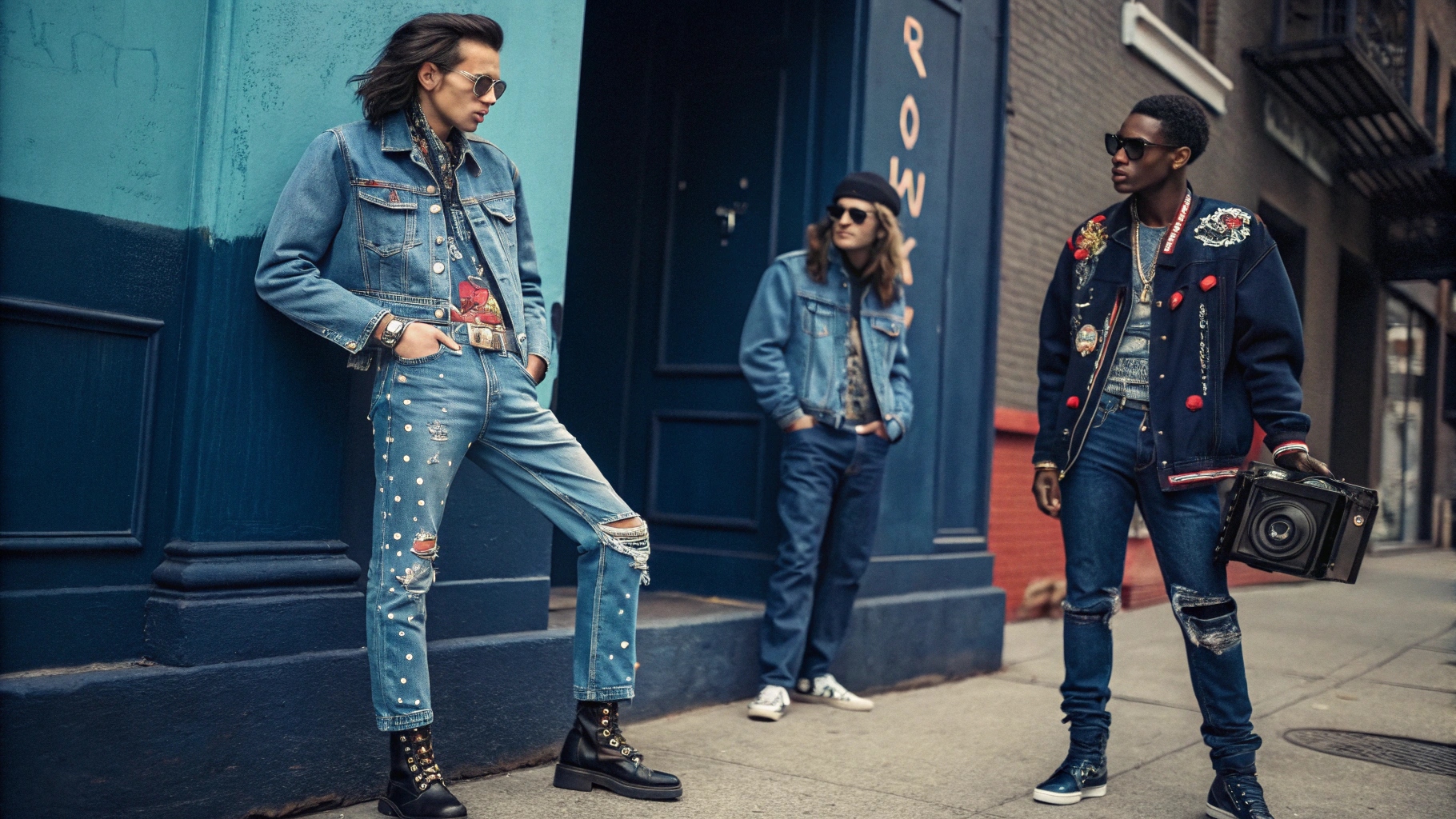
Photo: Bless Denim
The Accidental Innovation That Changed Fashion Forever
In the final stretch of the California gold rush, one miner’s ripped work pants led to a quiet revolution. His tailor, Jacob Davis, reinforced the garment with copper rivets at points prone to tearing. What started as a practical fix quickly morphed into one of the most influential inventions in American fashion. Davis’ sturdy “riveted pants” were an instant success, attracting workers who needed clothing that could endure harsh conditions.
This seemingly simple innovation marked the beginning of the modern blue jean. It bridged class, culture and geography, eventually defining the visual identity of American style. Fashion historians consistently note that denim has symbolized accessibility and cultural unity like few other garments in history.
Levi Strauss and the Birth of an Industry
Although Davis created the riveted design, the idea might never have traveled far without Levi Strauss. Strauss, a Bavarian immigrant and established San Francisco wholesaler, had been supplying Davis with denim fabric. Recognizing the commercial potential of Davis’ idea, he partnered with him to secure a patent for the riveted pants on May 20, 1873.
This collaboration marked Strauss’ first step into manufacturing his own products. A factory soon opened on Fremont Street in San Francisco, and production climbed rapidly as word spread through Strauss’ national wholesale network. Miners, ranchers, cowboys, railroad workers and farmers quickly adopted the durable overalls, cementing the jeans’ reputation as essential American workwear.
By the early 1900s, the riveted pants were widespread across the country, and denim manufacturers began adapting new styles to target emerging markets.
From Workwear to Western Escapism
As denim makers sought new customers, jeans slowly expanded beyond strict utility. Styles like “spring bottom pants” offered more refined silhouettes, hinting at fashion’s potential role in denim’s future.
By the 1930s, denim had found a new cultural vehicle through the rising popularity of dude ranch vacations. Families seeking adventure at Western-style resorts wanted attire that matched the cowboy aesthetic. Levi’s ads promoted jeans as “authentic western riding wear,” and denim quickly gained traction among vacationers, women and outdoor enthusiasts.
The company made a major leap in 1934 with the first line of women’s jeans, signaling a broader lifestyle shift that would only accelerate in the decades ahead.
Denim’s Postwar Boom
Following World War II, American consumerism surged. After years of rationing, families eagerly invested in new goods, from cars to appliances to clothing. With more disposable income, everyday Americans embraced “leisure wear,” and jeans transitioned from work-only attire to acceptable clothing for barbecues, casual outings and eventually school.
Schools allowing denim significantly widened its customer base, helping jeans become a daily wardrobe staple. Manufacturers expanded their offerings through a wide range of colors, fits and styles, and by the 1960s denim dominated youth culture. It became a symbol of rebellion during the hippie movement, solidifying its cultural relevance on both city streets and Hollywood screens.
The Designer Era and Global Expansion
The 1970s introduced iconic bell bottoms and the first wave of designer jeans from brands such as Calvin Klein and Gloria Vanderbilt. These labels shifted denim’s identity from rugged utility to high fashion and luxury appeal.
This era marked the beginning of denim’s influence on the global apparel industry. Different washes, silhouettes and treatments entered mainstream fashion, allowing jeans to evolve continually while keeping their core identity intact.
The global denim market has since exploded, reaching an estimated value of over $100 billion in 2024. Brands from American Eagle to Levi Strauss now compete aggressively for market share, leveraging celebrity powerhouses like Sydney Sweeney and Beyoncé to connect with younger shoppers and maintain relevance in an ever-changing retail landscape.
The Enduring Power of a 150-Year-Old Design
Despite evolving trends, denim remains remarkably consistent. Modern jeans still reflect the 1873 blueprint: durable fabric, iconic rivets and a recognizably rugged aesthetic. Very few products designed in the 19th century remain so unchanged yet universally worn today.
Historians argue that this continuity is unparalleled in fashion. Jeans have transcended class, culture and time, becoming both a symbol of individuality and a unifying global garment. They can be luxury or budget-friendly, rebellious or professional, vintage-inspired or futuristic.
More than a century after their invention, denim continues to shape American identity and global fashion markets. And all of it traces back to a miner, a tailor and a simple fix that became one of the most powerful stories in apparel history.
.webp)
Popular articles



Subscribe to unlock premium content
Immersive Worlds on Stage

Freedom on Wheels in Portugal

a very very descriptive final thoughts

Immersive Worlds on Stage
Freedom on Wheels in Portugal
Immersive Worlds on Stage