Honor Unveils AI-Powered “Robot Phone” With Moving Camera and Teases Entry Into Humanoid Robotics

Honor Unveils AI-Powered “Robot Phone” With Moving Camera and Teases Entry Into Humanoid Robotics
By
Junia Wells
Last updated:
March 2, 2026
First Published:
March 2, 2026

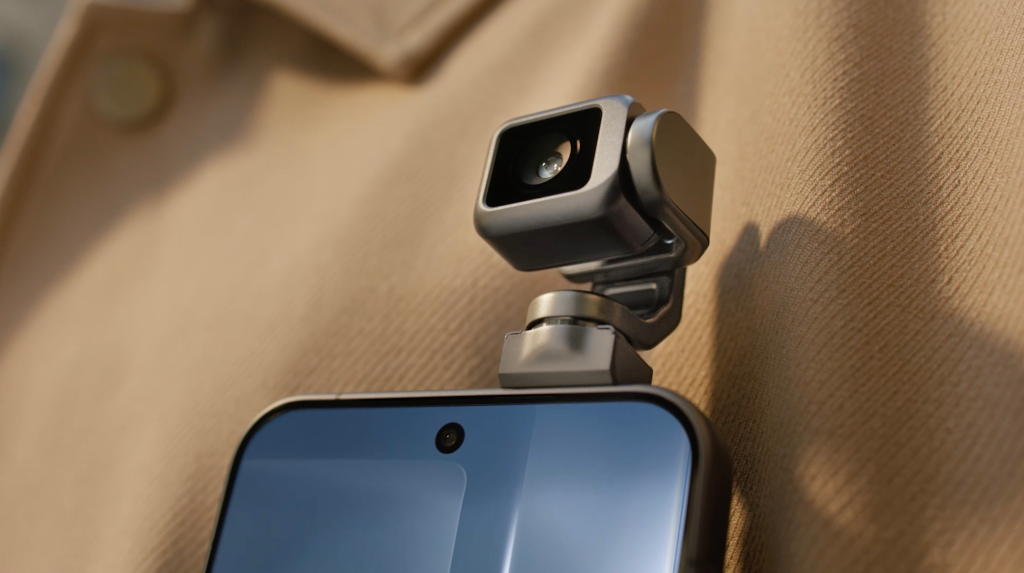
Photo: TechCrunch
Chinese consumer electronics maker Honor is doubling down on futuristic hardware as it looks to capture attention in an increasingly saturated global smartphone market. At a major industry showcase in Barcelona, the company demonstrated an experimental smartphone featuring a motorized camera arm, introduced its latest foldable flagship, and previewed early work on a humanoid robot.
The announcements underscore Honor’s broader strategy to position itself as an innovation-led challenger to global heavyweights like Samsung and Apple, particularly in the high-end segment where brand differentiation is critical.
A Smartphone With a Moving Camera Designed for Content Creation
The concept device, widely referred to as the “Robot Phone,” features a camera module mounted on a small mechanical arm that extends from the handset’s body. Powered by a compact motor and on-device AI, the camera can automatically track subjects, making it particularly suited for video creators, vloggers, and live streamers.
The system can lock onto a person or object and follow movement in real time, eliminating the need for external gimbals or stabilizers. Through voice commands, users can also interact with the company’s AI assistant, which can respond with physical gestures such as nodding — a feature designed to make human-device interaction feel more intuitive.
Honor indicated the device could reach commercial availability in China during the second half of the year, though it is expected to launch at a premium price point due to its advanced mechanical components and AI processing requirements.
Magic V6 Foldable Targets the Premium Tier
Alongside the concept device, Honor introduced the Honor Magic V6, its newest foldable flagship aimed at competing directly in the premium segment.
The Magic V6 measures approximately 8.75 millimeters thick when folded, making it one of the thinnest foldable devices currently announced and slightly slimmer than its predecessor. Despite the compact form factor, the device houses a large-capacity battery and runs on Qualcomm’s latest high-performance mobile chipset, positioning it as a flagship-grade productivity and multitasking device.
Honor plans to launch the foldable in China first, followed by a broader international rollout later in the year. Pricing has not yet been disclosed, but industry observers expect it to land firmly in the premium category, reflecting both component costs and Honor’s brand-building ambitions.
Innovation Push Comes Amid Memory Chip Cost Pressures
The product launches arrive during a challenging period for hardware manufacturers. The global shortage of memory components and a sharp increase in chip prices are expected to raise production costs across the industry in 2026. For smartphone makers, this creates a delicate balance between maintaining margins and keeping devices competitively priced.
By introducing distinctive hardware features, Honor appears to be betting that innovation and differentiation will justify higher price points and encourage upgrades in a market where replacement cycles have lengthened.
Market Position and Global Expansion Strategy
Since separating from Huawei in 2020, Honor has worked to rebuild its global presence. In China, the brand ended the most recent year with just over 13 percent market share, placing it among the country’s leading smartphone vendors. Internationally, however, its footprint remains comparatively modest, with only a low-single-digit share in Europe.
Industry analysts view the Robot Phone concept as both a technological showcase and a marketing strategy designed to elevate brand perception. While such experimental devices may not drive immediate sales, they can generate attention and signal engineering capability to consumers and partners.
Teasing a Future in Humanoid Robotics
Beyond smartphones, Honor also hinted at a longer-term expansion into robotics by previewing an early humanoid robot concept. Although technical specifications were limited, the company outlined potential use cases including retail assistance, workplace inspections, and companionship applications.
The move places Honor within a growing ecosystem of Chinese technology firms exploring robotics, including companies such as Xiaomi and Xpeng, both of which have revealed their own humanoid prototypes. Analysts expect China to accelerate development and deployment of service robots over the next several years as AI and hardware capabilities converge.
Outlook for Honor’s Innovation Strategy
Honor’s latest announcements highlight a clear strategic direction: combining distinctive hardware engineering with AI capabilities to carve out space in the premium technology segment. Whether the Robot Phone evolves into a mainstream product or remains a showcase concept, it signals the company’s willingness to experiment beyond conventional smartphone design.
As competition intensifies and component costs rise, differentiation will likely remain central to Honor’s growth strategy. The coming product cycles will determine whether these innovations translate into sustained global market share gains or primarily serve as brand-building milestones.

Popular articles


Subscribe to unlock premium content
London’s Gourmet Playgrounds

From Bean to Buzz in Thailand

The Secret Life of Pop-Up Luxury Restaurants in Paris

London’s Gourmet Playgrounds
From Bean to Buzz in Thailand
London’s Gourmet Playgrounds