Hong Kong Tech Shares Slide Into Bear Market as Tax Concerns and AI Turmoil Shake Investors

Hong Kong Tech Shares Slide Into Bear Market as Tax Concerns and AI Turmoil Shake Investors
By
Leah Rosenfeld
Last updated:
February 5, 2026
First Published:
February 5, 2026

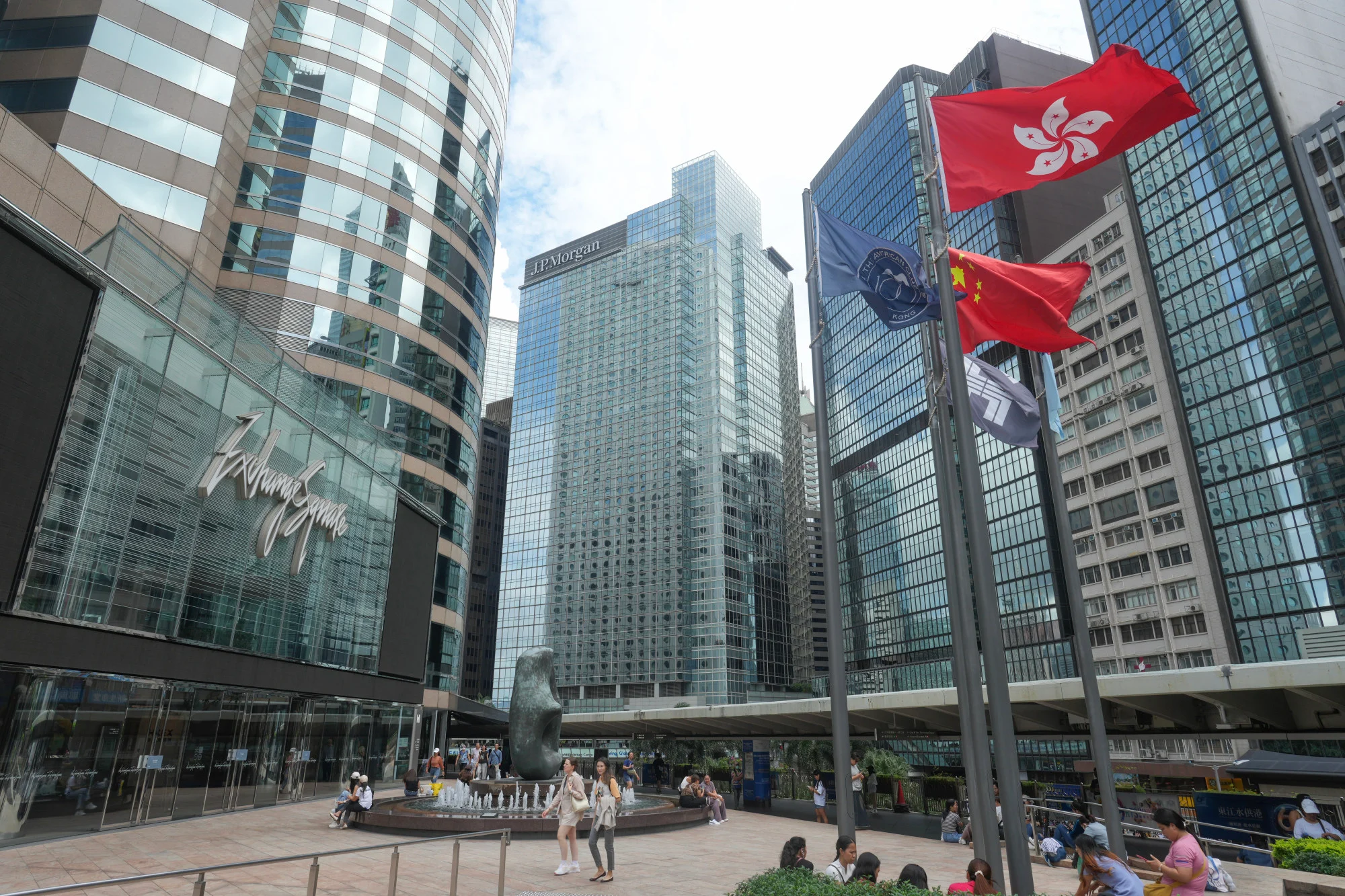
Photo: South China Morning Post
Hong Kong–listed Chinese tech stocks officially enter bear market
Chinese technology shares listed in Hong Kong fell into bear market territory on Thursday, marking a sharp turnaround from last year’s rebound as mounting tax concerns and turbulence across global tech markets rattled investor confidence.
The Hang Seng Tech Index, which tracks many of China’s largest internet and platform companies, slipped more than 1% on the day, extending its losing streak to six consecutive sessions. The move pushed the index to just over 20% below its October peak, the technical threshold widely used to define a bear market.
The decline underscores how quickly sentiment has deteriorated in a sector that had been one of Asia’s strongest performers in late 2025, buoyed by bargain valuations and optimism around artificial intelligence.
VAT fears spark fresh selling pressure
At the center of the latest selloff are concerns that Beijing could expand value-added tax measures to cover internet services and digital platforms.
The anxiety follows a recent VAT increase on selected telecom services, which prompted speculation that online businesses, including e-commerce, gaming, and digital payments, could be next. Those fears spread rapidly across trading desks, triggering broad-based selling in heavyweight names across cloud computing, online advertising, and consumer internet services.
Rumors briefly extended to online gaming and other digital transactions, compounding worries of renewed policy headwinds for a sector still recovering from years of regulatory tightening. Chinese officials later moved to calm markets, dismissing speculation about a gaming-specific tax, but the reassurance did little to reverse the slide.
Qi Wang, investment strategist at UOB Kay Hian, said investors are reacting directly to the possibility of higher operating costs across the digital economy.
“The recent sell-off is being driven by concerns over potential VAT increases on internet services, online gaming and other online transactions, following the earlier tax hike on parts of the telecom sector,” Wang said.
Global AI jitters add to the pressure
The weakness in Chinese tech has coincided with rising volatility in global technology stocks, as investors reassess how rapidly artificial intelligence could disrupt established software and service business models.
Analysts point to a series of negative developments abroad that amplified risk-off sentiment. Reports of new AI tools automating legal and professional services have weighed on legaltech and enterprise software firms, while concerns over shifting partnerships in the U.S. hardware AI ecosystem have fueled uncertainty around chipmakers and infrastructure providers.
Phelix Lee, senior equity analyst at Morningstar, described the recent move as part of a broader wave of negative headlines hitting the global tech complex.
“In my view, it’s been a barrage of unfavorable news globally,” Lee said, citing AI-driven disruption fears, selloffs in software stocks, and heightened risk aversion in hardware-related trades, all landing at the same time as China’s VAT rumors.
For Hong Kong–listed Chinese tech companies, the combination of domestic policy uncertainty and overseas tech volatility has proven particularly destabilizing.
Investors split on whether this is a deeper downturn
Despite the sharp drawdown, not everyone sees the move as the start of a prolonged slump.
Some fund managers argue the decline looks more like a corrective phase after parts of the sector raced ahead of fundamentals during last year’s rally. According to Morningstar, recent weakness has been concentrated in stocks that had previously outperformed, rather than across the entire Hong Kong and mainland China equity universe.
Lorraine Tan, director of equity research for Asia at Morningstar, said the pullback appears driven by valuation normalization rather than a structural shift in the outlook.
“I see this as a healthy correction, largely focused on segments that had probably overshot fair value,” she said.
Others note that while near-term catalysts are scarce, the longer-term investment case remains intact.
Vey-Sern Ling, managing director at Union Bancaire Privée, said the sector has been weighed down by regulatory noise in areas such as travel and e-commerce, along with renewed VAT worries. However, he characterized these issues as isolated rather than systemic.
“Fundamentally, nothing has changed to derail our constructive view on Chinese tech,” Ling said. “Valuations are still supportive, earnings have room to recover, and artificial intelligence could deliver a fresh stream of catalysts over time.”
Valuations remain low, but visibility is limited
Even after last year’s rebound, many of China’s major internet firms continue to trade at valuation multiples well below their global peers, reflecting lingering investor caution after years of regulatory crackdowns.
Portfolio managers say earnings expectations for 2026 still point to modest recovery, driven by cost discipline, stabilizing advertising demand, and gradual improvements in consumer spending. However, the absence of clear policy support and the emergence of new tax risks have made investors hesitant to rebuild positions aggressively.
For now, traders are watching closely for clarity on VAT policy, signals from Beijing on digital economy regulation, and developments in the global AI landscape. Until those uncertainties ease, analysts expect volatility in Hong Kong’s tech sector to remain elevated.
The latest slide serves as a reminder that while Chinese technology stocks may look inexpensive on paper, sentiment can shift quickly when policy concerns and global tech disruptions collide.
.webp)
Popular articles



Subscribe to unlock premium content
Zara’s Hyper-Fast Fashion Supply Chain Is Changing Global Retail

The Rise of Apple Stores as Experiential Brand Centers Worldwide

Boutique Eco-Lodges in Costa Rica Redefining Ultra-Luxury Travel

Zara’s Hyper-Fast Fashion Supply Chain Is Changing Global Retail
The Rise of Apple Stores as Experiential Brand Centers Worldwide
Zara’s Hyper-Fast Fashion Supply Chain Is Changing Global Retail