
Hollywood Showdown: James Cameron Warns of “Irreversible Damage” in Netflix–WBD Tie-Up

Hollywood Showdown: James Cameron Warns of “Irreversible Damage” in Netflix–WBD Tie-Up
By
Junia Wells
Last updated:
February 20, 2026
First Published:
February 20, 2026

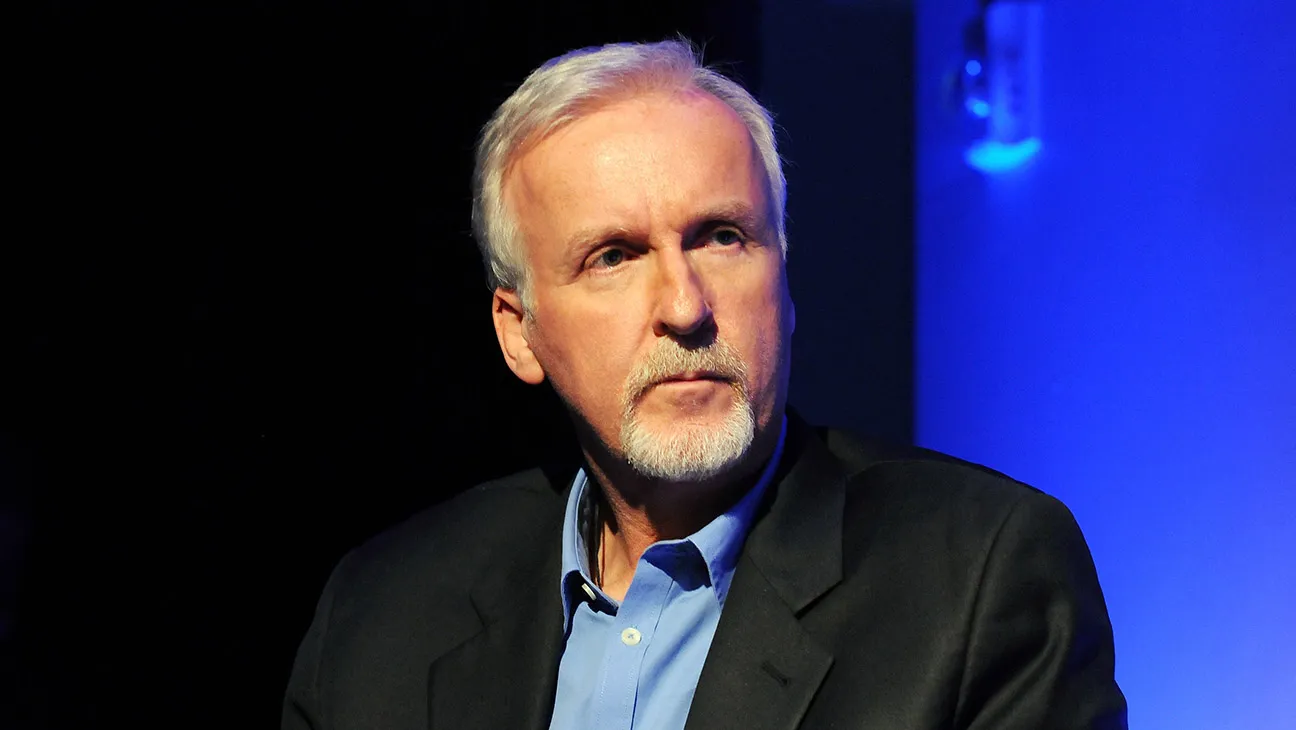
The debate around the proposed acquisition of major studio and streaming assets by James Cameron has intensified after the acclaimed filmmaker sent a sharply worded letter to antitrust officials in Washington. Addressed to Senator Mike Lee, the correspondence argues that the potential takeover involving Netflix and Warner Bros. Discovery could reshape the entertainment ecosystem in ways that undermine theatrical releases, reduce employment, and concentrate market power.
Why the Letter Matters
Cameron’s intervention signals that concerns about the deal are spreading beyond corporate boardrooms into the creative community. His message arrived shortly after a Senate antitrust hearing where Netflix co-CEO Ted Sarandos and WBD executive Bruce Campbell discussed the transaction’s potential impact.
According to Cameron, consolidating a major Hollywood studio under a streaming-first company risks accelerating a shift away from theatrical distribution, a channel he views as central to cinematic storytelling and industry employment. The U.S. film sector supports hundreds of thousands of direct and indirect jobs, from production crews to theater operators, and generates tens of billions of dollars annually in export revenue.
Industry Concerns Over Competition and Jobs
Opposition to the deal reflects broader anxiety across Hollywood guilds and production companies. Filmmakers worry that fewer independent studios would mean fewer green-lit projects, tighter budgets, and reduced bargaining power for creative talent.
Regulators are also examining market concentration. Netflix reportedly serves about 325 million global subscribers, while WBD’s HBO Max counts roughly 128 million. A combined platform of that scale could influence pricing, distribution windows, and licensing terms across the industry. Competitors and analysts say the merger could reshape negotiations with talent unions and theater chains.
Netflix’s Case for the Deal
Netflix executives maintain the acquisition would strengthen, not shrink, production output. The company has highlighted plans to invest roughly $20 billion in film and television content in 2026, with a large share allocated to U.S. productions. Leadership, including co-CEO Greg Peters, argues that bringing WBD’s studio operations under Netflix’s umbrella would create a more resilient business capable of funding more projects globally.
The company also points to new and expanded production hubs in states such as New Mexico and New Jersey, saying these facilities would sustain employment and support local economies. Executives have repeatedly framed the merger as beneficial for consumers, citing broader content libraries and improved technological capabilities.
The Future of Movie Theaters
A central theme in Cameron’s argument is the survival of theatrical exhibition. WBD currently releases around 15 major films annually for cinema runs, a volume theater operators rely on to maintain attendance. Cameron fears that under a streaming-centric ownership model, theatrical windows could shrink or become symbolic, reducing box-office revenue and weakening the cultural impact of big-screen releases.
Drawing on his experience directing blockbusters like Titanic, Cameron emphasizes that theatrical presentation remains integral to audience engagement and technological innovation. He has previously championed advancements such as 3D filmmaking and high-frame-rate projection, developments closely tied to cinema venues rather than home viewing.
Political and Regulatory Backdrop
The merger review unfolds amid broader policy discussions about U.S. competitiveness in global media. Some policymakers, including President Donald Trump, have highlighted Hollywood’s role as a major cultural export and floated measures aimed at protecting domestic production.
Meanwhile, rival industry players and bidders — including Paramount Skydance — are closely watching the process, as the outcome could set precedents for future consolidation across entertainment and technology sectors. Regulators are expected to examine not only antitrust implications but also commitments around theatrical releases, workforce retention, and consumer pricing.
What Comes Next
Lawmakers have indicated that additional hearings may follow as they gather testimony from unions, theater owners, and independent producers. The outcome could hinge on whether regulators believe Netflix’s promises — including maintaining theatrical runs and expanding production — are enforceable over the long term.
For Cameron and other industry veterans, the stakes extend beyond one transaction. They see the decision as a defining moment for how films are financed, distributed, and experienced in the streaming era.

Popular articles


Subscribe to unlock premium content
Mexico’s Nearshoring Revolution
Carbon Markets Take Flight in Singapore

The Airport Retail Boom

Mexico’s Nearshoring Revolution
Carbon Markets Take Flight in Singapore
Mexico’s Nearshoring Revolution


.png)