HDFC Bank Stock Drops Sharply After Chairman Exit Sparks Governance Concerns

HDFC Bank Stock Drops Sharply After Chairman Exit Sparks Governance Concerns
By
Calder Monroe
Last updated:
March 19, 2026
First Published:
March 19, 2026

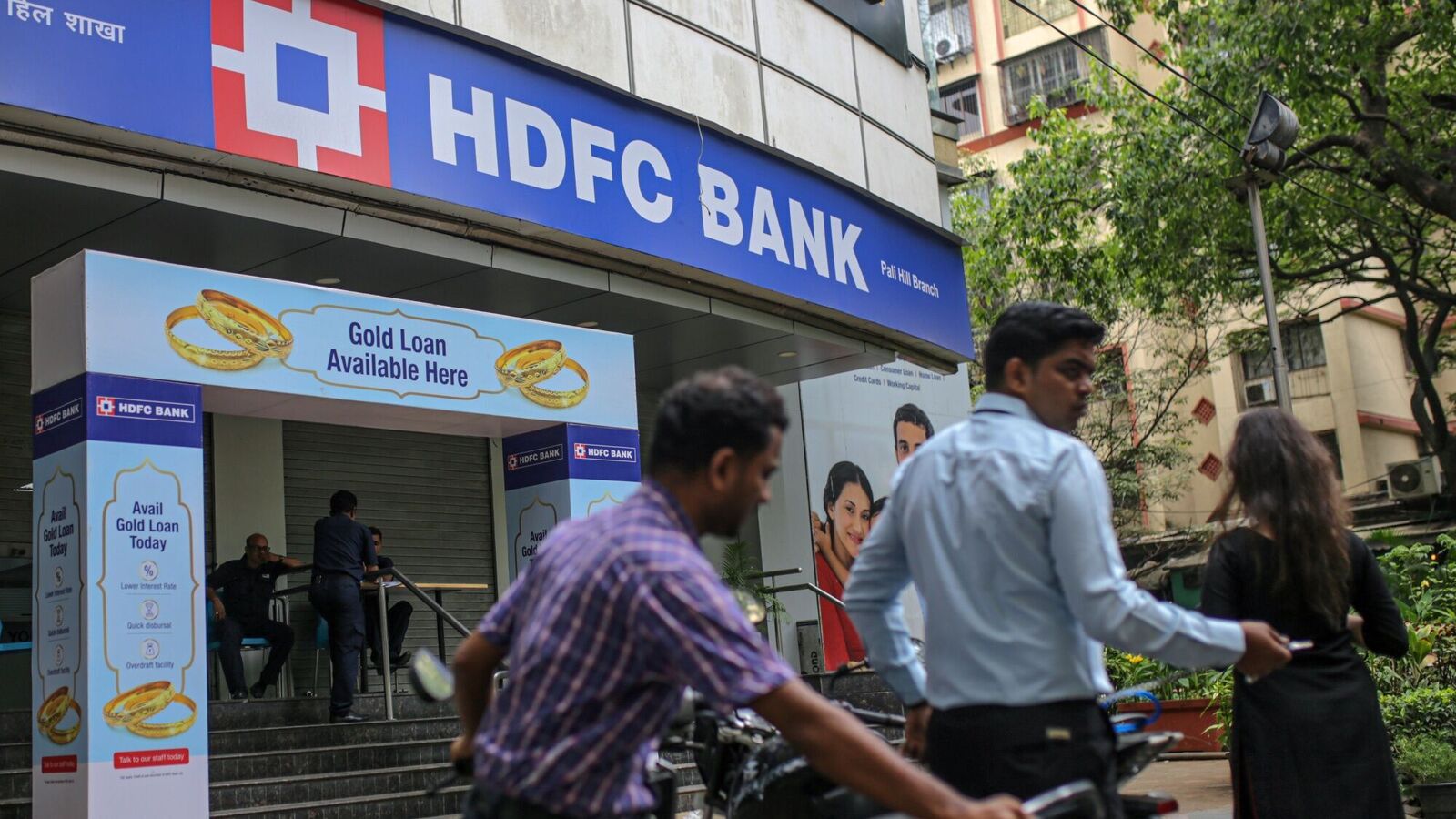
Photo: Mint
Market Reaction and Immediate Impact
Shares of HDFC Bank fell nearly 5% in Thursday’s trading session, wiping out billions in market value after the unexpected resignation of its part-time chairman, Atanu Chakraborty. The decline reflects heightened investor sensitivity to governance risks, especially in institutions of systemic importance.
The bank, which held a market capitalization of approximately 13.08 trillion rupees (around $140 billion) before the drop, remains one of India’s most valuable financial institutions, significantly ahead of State Bank of India at 9.95 trillion rupees. However, the sudden leadership development has triggered short-term volatility.
Resignation Raises Ethical Questions
Chakraborty stepped down after expressing concerns about certain internal practices that, according to him, conflicted with his personal ethical standards. In his resignation letter dated March 17, he referenced “certain happenings and practices” observed over the past two years, though he did not disclose specific details publicly.
He also emphasized the need for structural evolution within the organization, suggesting that the bank’s middle and junior management layers should play a more central role in shaping a reimagined corporate framework.
Management Response and Internal Positioning
In response, interim chairman Keki Mistry sought to reassure investors and stakeholders during a post-announcement call. He stated that Chakraborty had not presented any concrete evidence or detailed allegations to the board regarding unethical practices.
Mistry firmly rejected any notion of internal conflict, stressing that the bank’s leadership team remains aligned and operationally cohesive. He added that business continuity and strategic priorities remain unaffected by the leadership change.
Regulatory Confidence Remains Intact
India’s central banking authority, the Reserve Bank of India, moved quickly to calm market concerns. The regulator reaffirmed that HDFC Bank continues to demonstrate strong financial health, robust governance structures, and professional management.
According to the RBI, periodic supervisory assessments have not flagged any material issues related to governance or conduct, reinforcing confidence in the bank’s operational integrity.
Investor Base and Global Exposure
HDFC Bank’s ownership structure adds another layer of sensitivity to such developments. Foreign institutional investors hold more than 47% of the bank’s equity, making it highly exposed to global sentiment shifts.
Major international stakeholders include sovereign-backed funds such as Singapore’s government investment arm and Norway’s Government Pension Fund Global, which hold approximately 2.3% and over 1.2% stakes respectively. Any perception of governance instability can therefore trigger outsized reactions from institutional investors.
Analyst Outlook and Market Sentiment
Market experts view the leadership transition as a near-term risk factor. Deven Choksey, Managing Director of DRChoksey FinServ, described the appointment of an interim chairman as a necessary “firefighting move” to stabilize sentiment.
He cautioned that the stock could face continued selling pressure in the short term, particularly as investors await greater clarity on the concerns raised. Analysts broadly advise against aggressive dip-buying until governance-related uncertainties are resolved and transparency improves.
What Lies Ahead for HDFC Bank
Despite the current turbulence, HDFC Bank’s fundamentals remain strong, supported by consistent earnings growth, a large retail lending base, and industry-leading asset quality metrics. The key challenge now lies in restoring investor trust and ensuring transparent communication.
The coming weeks, including further disclosures and the bank’s follow-up actions, will be critical in determining whether this episode remains a temporary setback or evolves into a deeper governance narrative affecting long-term valuation.
.webp)
Popular articles



Subscribe to unlock premium content
Sipping Sophistication in the Heart of New York

Clay Escapes for the Modern Elite

Tiny Masterpieces Big Experiences

Sipping Sophistication in the Heart of New York
Clay Escapes for the Modern Elite
Sipping Sophistication in the Heart of New York