H-1B Visa Path Tightens as Social Media Screening and Wage Rules Raise New Barriers

H-1B Visa Path Tightens as Social Media Screening and Wage Rules Raise New Barriers
By
Junia Wells
Last updated:
December 24, 2025
First Published:
December 24, 2025

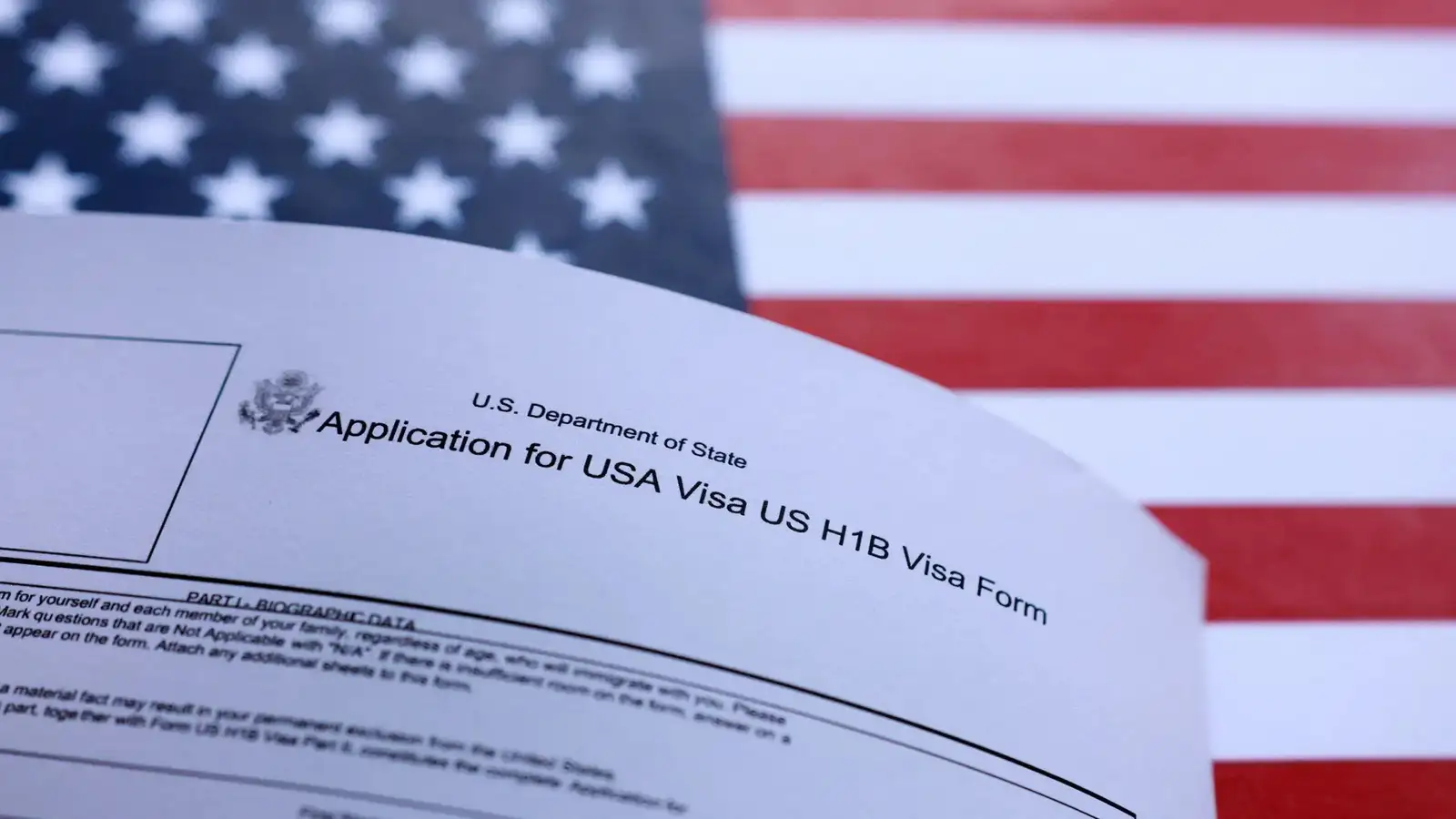
Photo: The Economic Times
A Tougher Landscape for Skilled Workers
The U.S. H-1B visa program is entering one of its most challenging periods in years, as new screening measures and proposed regulatory changes create fresh uncertainty for employers and foreign professionals alike. From enhanced online presence checks to stricter wage protection rules, applicants are facing more scrutiny, longer delays, and a higher likelihood that companies may step back from sponsorship altogether.
For many skilled workers, particularly those in technology and engineering, the coming year could determine whether the U.S. remains a viable destination for long-term careers.
Social Media Vetting Becomes Standard
Since mid-December, U.S. authorities have expanded visa screening to include online presence reviews for all H-1B and H-4 applicants. This applies not only to first-time applicants but also to renewals, marking a significant shift in how visas are processed.
U.S. officials say the goal is to prevent misuse of the program by identifying inconsistencies or potential security risks. These checks include reviewing public information on platforms such as LinkedIn and other online profiles, particularly for discrepancies in job titles, employers, or work history.
However, immigration experts argue that applying this level of scrutiny to every applicant is resource-intensive and could slow down an already overburdened system.
Delays and Disruptions at U.S. Consulates
The expanded screening has already begun affecting visa timelines, especially in India, one of the largest sources of H-1B applicants. U.S. consulates have rescheduled thousands of appointments with little or no notice in order to comply with the new vetting requirements.
Many interviews originally scheduled for December and January have been pushed to March or April, while some have reportedly been delayed until mid-year. For professionals working in the U.S., these disruptions have made international travel risky, as delays can prevent timely re-entry and disrupt employment.
For companies relying on foreign talent, the uncertainty adds operational strain and complicates workforce planning.
Wage Rules That Could Change Employer Behavior
Alongside tighter screening, the U.S. Department of Labor has proposed new wage protection rules that could significantly raise the minimum salaries employers must pay H-1B workers. If implemented, the changes would increase prevailing wage levels across most job categories.
Immigration consultants warn that higher wage thresholds could discourage companies from sponsoring visas, especially for mid-level roles and early-career professionals. Smaller firms and startups may find the cost of compliance prohibitive, narrowing sponsorship primarily to large corporations with deeper budgets.
The result could be fewer H-1B petitions filed overall, even as demand for skilled labor remains high.
Lottery Changes Favoring Top Earners
Another proposal under review could fundamentally alter how H-1B visas are allocated. Instead of a random lottery, the system would prioritize applicants with the highest salaries.
Supporters argue this would ensure visas go to the most highly skilled and highest-value workers. Critics counter that such a system would effectively shut out recent graduates and younger professionals, even those working in critical or emerging fields like artificial intelligence, semiconductors, and clean energy.
This shift could reshape the talent pipeline into the U.S. by favoring experience and compensation over potential.
Disproportionate Impact on Indian Professionals
Any tightening of H-1B rules is expected to hit Indian applicants the hardest. In recent years, Indians have accounted for more than 70 percent of all H-1B recipients, reflecting the deep integration of Indian talent into the U.S. tech and services sectors.
Major sponsors include global technology and consulting firms such as Amazon, Meta, Microsoft, Google, and Tata Consultancy Services. A reduction in visa availability would not only affect workers but also reshape hiring strategies across the industry.
Experts caution that prolonged restrictions could push talent toward alternative destinations such as Canada, the U.K., and Australia, which are actively competing for skilled professionals.
Political Pressure Behind the Policy Shift
The renewed push to tighten H-1B rules is closely tied to domestic political sentiment. U.S. leaders have argued that the program has been used to undercut American wages, prompting calls for higher fees, stricter standards, and fewer approvals.
Proposals such as sharply increasing application fees have already triggered backlash from businesses and policymakers, who argue that excessive costs harm innovation and competitiveness. Lawsuits from industry groups and state governments reflect growing concern that the restrictions may go too far.
At the same time, analysts note that U.S. demand for advanced technical skills remains strong, suggesting that future administrations may be forced to recalibrate these policies.
What Lies Ahead for the H-1B Program
For now, H-1B applicants and employers face a period of heightened uncertainty. More stringent screening, higher wage requirements, and potential changes to the lottery system could significantly reduce access to the visa.
While some of these measures aim to address legitimate concerns, experts warn that a broad, restrictive approach risks undermining the very industries the U.S. depends on for growth and innovation. As companies reassess their global hiring strategies, the H-1B program stands at a crossroads between protectionism and pragmatism.
.webp)
Popular articles



Subscribe to unlock premium content
Iceland’s Geothermal Revolution
Bali’s Digital Detox Revolution

Step Into the Future of Art

Iceland’s Geothermal Revolution
Bali’s Digital Detox Revolution
Iceland’s Geothermal Revolution