GSK’s $10.6 Billion Bet on Cancer Innovation Signals New Era of Pharma Dealmaking

GSK’s $10.6 Billion Bet on Cancer Innovation Signals New Era of Pharma Dealmaking
By
Alina Sinclair
Last updated:
June 9, 2026
First Published:
June 9, 2026

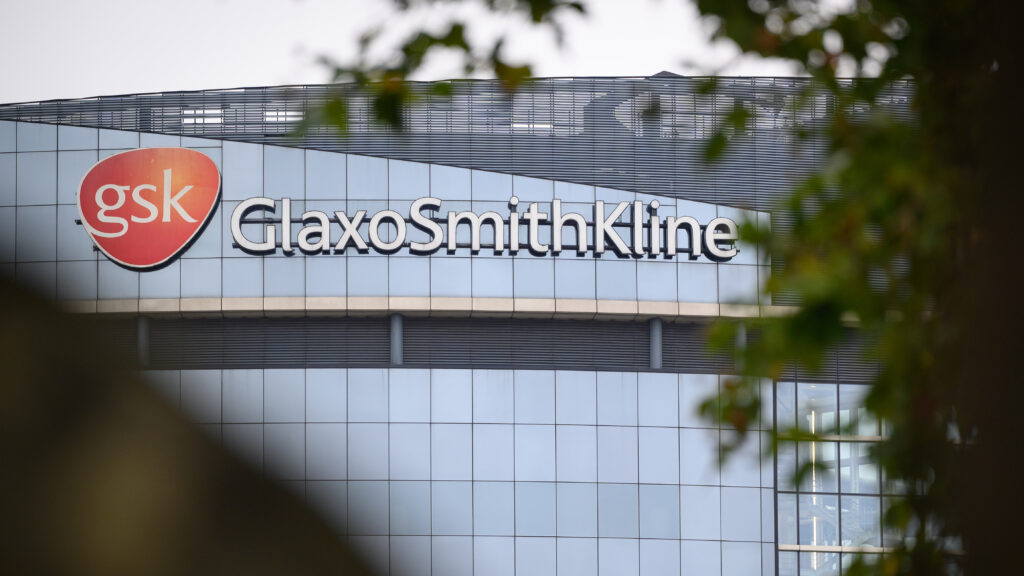
Getty Images
GSK is making its boldest move in years to strengthen its future growth prospects, announcing a $10.6 billion acquisition of U.S.-based biotechnology company Nuvalent. The all-cash transaction marks the British pharmaceutical giant’s largest takeover in more than a decade and underscores the growing importance of targeted cancer therapies in the global healthcare industry.
Under the terms of the agreement, GSK will acquire Nuvalent for approximately $124 per share, representing a premium of roughly 40% compared with the company’s previous closing stock price. The acquisition is expected to significantly enhance GSK’s oncology portfolio, particularly in the fast-growing lung cancer treatment market.
A Major Strategic Shift for GSK
The transaction represents a notable change in direction for GSK. In recent years, the company had largely focused on smaller, targeted acquisitions and partnerships rather than large-scale takeovers.
However, growing competition across the pharmaceutical sector, combined with increasing pressure to replenish future revenue streams, appears to have prompted a more aggressive strategy. The acquisition gives GSK access to promising late-stage cancer assets that could become significant contributors to revenue growth over the coming decade.
The deal will become GSK’s second-largest acquisition ever, behind only its landmark 2014 asset swap with Novartis, which was valued at approximately $20 billion and reshaped the company’s vaccines business.
Industry analysts view the Nuvalent purchase as one of the most important strategic moves made by GSK in recent years, positioning the company more competitively in precision oncology and targeted cancer treatments.
Why Nuvalent Matters
Founded with a focus on developing precision medicines for cancer patients, Nuvalent has attracted significant attention from investors and pharmaceutical companies due to its specialized pipeline targeting difficult-to-treat forms of lung cancer.
The company’s lead candidate, neladalkib, is designed to treat specific genetic mutations associated with non-small cell lung cancer (NSCLC), the most common form of lung cancer worldwide. The therapy is currently under review by the U.S. Food and Drug Administration (FDA), with a regulatory decision expected later this year.
Nuvalent is also advancing zidesamtinib, another targeted therapy aimed at patients with ROS1-positive non-small cell lung cancer. This drug is likewise undergoing FDA review and has generated strong interest within the oncology community due to its potential to address significant unmet medical needs.
Together, these therapies could provide GSK with multiple near-term commercial opportunities while strengthening its long-term position in precision medicine.
Building a Stronger Lung Cancer Franchise
According to GSK leadership, the acquisition is about far more than adding a pair of promising drug candidates.
The company sees Nuvalent as a foundation for expanding its broader oncology platform, particularly in lung cancer, one of the largest and fastest-growing therapeutic markets globally. Lung cancer remains the leading cause of cancer-related deaths worldwide, creating substantial demand for innovative treatments capable of improving patient outcomes.
GSK also expects the acquisition to complement its existing oncology pipeline, including its development programs involving antibody-drug conjugates and next-generation targeted therapies.
Executives believe the combination of Nuvalent’s assets and GSK’s global commercialization capabilities could accelerate the development and adoption of new treatments across multiple cancer indications.
Financial Impact and Growth Outlook
Despite the size of the acquisition, GSK has maintained its financial guidance for 2026, signaling confidence in its ability to integrate the business without disrupting current operations.
Management expects the transaction to begin contributing meaningfully to revenue growth from 2027 onward, while also supporting future earnings expansion as newly acquired therapies move toward commercialization.
Analysts estimate that Nuvalent’s two leading drug candidates could collectively generate more than $800 million in annual sales by the end of the decade if regulatory approvals are secured and commercial launches proceed successfully.
Those projections could rise further if the therapies gain approvals in additional markets or expand into broader patient populations through future clinical studies.
New Leadership Drives a More Aggressive Growth Strategy
The acquisition also reflects the strategic vision of GSK’s new leadership team.
Chief Executive Luke Miels, who assumed leadership of the company earlier this year, inherited the challenge of strengthening investor confidence and accelerating growth. For years, GSK faced criticism from some shareholders regarding the depth and competitiveness of its drug development pipeline.
Since the announcement of Miels’ appointment, investor sentiment has improved significantly, helping drive a substantial rise in GSK’s share price. Market participants have welcomed efforts to sharpen the company’s focus on high-growth therapeutic areas, particularly oncology and specialty medicines.
The Nuvalent acquisition suggests management is willing to pursue larger opportunities when assets align closely with long-term strategic objectives.
Biotech M&A Boom Continues
The timing of the acquisition highlights a broader surge in pharmaceutical and biotechnology dealmaking across the globe.
Major drugmakers are increasingly seeking acquisitions to offset looming patent expirations on blockbuster medicines while accelerating access to innovative therapies. As several high-revenue drugs approach the end of their exclusivity periods, pharmaceutical companies are under pressure to secure new growth engines.
At the same time, stronger capital markets, improving biotech valuations, and advances in precision medicine have fueled a wave of mergers and acquisitions throughout the healthcare sector.
Global biotechnology transactions have already surpassed $100 billion in value this year, placing 2026 on track to become one of the strongest years for biotech deal activity in recent history.
Large pharmaceutical companies are competing intensely for late-stage assets with regulatory and commercial potential, making companies like Nuvalent highly attractive acquisition targets.
What the Deal Means for the Industry
GSK’s acquisition of Nuvalent reflects a larger transformation taking place across the pharmaceutical industry. Companies are increasingly prioritizing highly targeted therapies designed around specific genetic mutations and patient populations rather than pursuing broad, one-size-fits-all treatments.
As precision medicine continues to reshape cancer care, access to innovative oncology pipelines has become one of the most valuable assets in the healthcare sector.
For GSK, the acquisition represents an opportunity to accelerate growth, strengthen its oncology business, and establish a more competitive position in one of the pharmaceutical industry's most important markets. For the broader industry, it serves as another sign that the race to secure next-generation cancer treatments is only intensifying.
.webp)
Popular articles



Subscribe to unlock premium content
Boutique Creative Studios Turning Local Art Movements into Ad Campaigns

Inside London’s Private Wealth Advisory Firms Catering to Millennial Investors

How Boutique Safari Camps in Kenya Are Creating Premium Eco Experiences

Boutique Creative Studios Turning Local Art Movements into Ad Campaigns
Inside London’s Private Wealth Advisory Firms Catering to Millennial Investors
Boutique Creative Studios Turning Local Art Movements into Ad Campaigns