Goldman Sachs’ Lloyd Blankfein Warns Iran War Fallout Will Persist Despite Possible Resolution

Goldman Sachs’ Lloyd Blankfein Warns Iran War Fallout Will Persist Despite Possible Resolution
By
Augusta Parker
Last updated:
March 27, 2026
First Published:
April 25, 2026

Getty Images
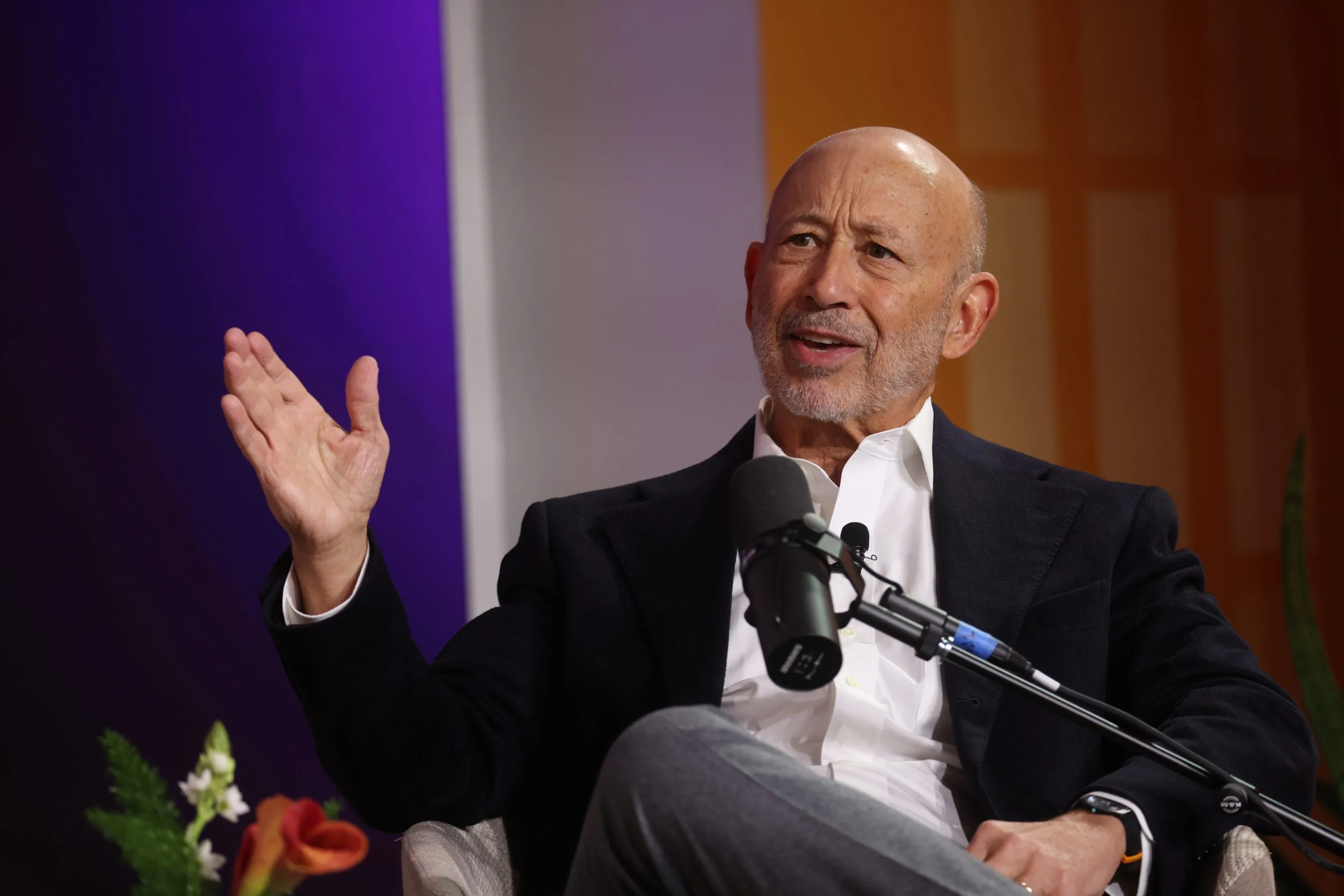
Lloyd Blankfein, senior chairman and former CEO of Goldman Sachs, has warned that the economic and market impact of the Iran war will persist long after any potential resolution, urging investors to remain vigilant and adaptable.
Speaking with CNBC, Blankfein emphasized that even if a resolution were reached tomorrow, the damage to regional infrastructure and global supply chains would continue to ripple through markets. “People know that, even if it stopped tomorrow, there’s so much damage to the infrastructure that the stress is going to last longer anyway,” he said, underscoring the lasting implications for energy and financial markets.
The conflict escalated after U.S. and Israeli strikes on Iran on February 28, which triggered retaliatory actions targeting regional energy infrastructure. The Strait of Hormuz, a vital channel for global oil and gas shipments, has seen significant disruption, contributing to extreme volatility in energy prices. Oil prices have jumped over 40% since the escalation, with energy stocks swinging sharply in response.
Blankfein cautioned investors against complacency, noting that trading on assumptions of either immediate resolution or indefinite escalation is equally risky. He advised a flexible approach, emphasizing hedges and contingency strategies. “You could put on hedges, and those hedges could be worthless tomorrow if things go another way. Investors should be good contingency planners at this time,” he said.
Reflecting on broader U.S. fiscal conditions, Blankfein said that prior to the conflict, the economic backdrop featured strong growth and favorable interest rate trends, which have now been overshadowed by geopolitical uncertainty and surging energy costs.
He also highlighted potential vulnerabilities in private markets, noting that valuations in private funds have not been stress-tested against equity market volatility. “There has to be a reckoning — we haven’t had one, and the longer between reckonings, the worse it could potentially be,” Blankfein said, warning that mispriced assets could trigger broader market disruptions.
Blankfein’s advice reflects a return to cautious fundamentals amid heightened uncertainty. Investors navigating energy price swings, regional instability, and private market exposure are urged to adopt dynamic strategies that can withstand prolonged volatility. The market fallout from the Iran war, he concluded, is not a short-term event — and its effects are likely to reverberate for months, if not years.
.webp)
Popular articles



Subscribe to unlock premium content
Frozen Riches on Kamchatka

The Hidden Wealth of Conflict-Free Spices

From Remote Runways to Billion-Dollar Gateways
Frozen Riches on Kamchatka
The Hidden Wealth of Conflict-Free Spices
Frozen Riches on Kamchatka
.png)