

Gold Surges as Oil Drop and Iran Talks Cool Inflation Pressures
By
Augusta Parker
Last updated:
March 25, 2026
First Published:
April 25, 2026

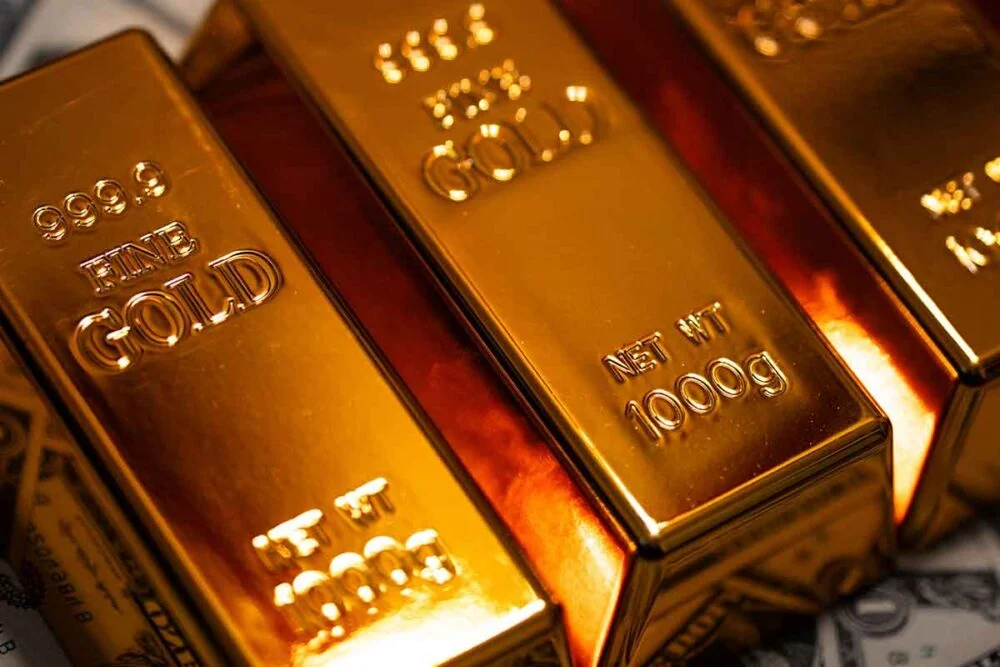
Photo: Arabian Business
Gold prices staged a strong rebound on Wednesday, climbing more than 2% as easing oil prices helped calm inflation concerns and renewed geopolitical developments shifted market sentiment. The rally comes at a time when investors are closely tracking global macro signals, particularly energy markets and diplomatic movements in the Middle East.
Spot gold rose approximately 2.5% to trade near $4,588 per ounce, while U.S. gold futures for April delivery jumped over 4%, briefly crossing $4,597 per ounce. The upward move reflects a combination of falling energy costs, a slightly weaker U.S. dollar, and renewed safe-haven demand amid geopolitical uncertainty.
The catalyst behind the shift was a notable decline in crude oil prices after comments from Donald Trump regarding ongoing discussions with Iran. According to Trump, Washington and Tehran are currently engaged in negotiations, with indications that both sides are exploring pathways toward de-escalation. His remarks suggested a step back from earlier threats targeting Iranian energy infrastructure, signaling a potential easing of tensions in the region.
Following these developments, global oil benchmarks saw sharp declines. Brent Crude dropped roughly 6% to around $98 per barrel, while West Texas Intermediate fell close to 5%, hovering near $87 per barrel. Lower oil prices tend to reduce inflationary pressures, which in turn supports gold by easing expectations of aggressive interest rate hikes.
The U.S. dollar also weakened slightly, with the dollar index slipping around 0.17% during early Asian trading hours. A softer dollar typically boosts gold demand, as it makes the metal more affordable for international buyers holding other currencies.
Despite the recent rally, gold remains significantly below its peak levels from earlier in the year. Prices are still down roughly 17% from their late-January highs, highlighting the volatility that has characterized the market in recent months.
Analysts at Goldman Sachs suggest that this pullback is not unusual. The bank points to rising interest rate expectations and broader market instability as key factors that have weighed on gold demand. Higher interest rates reduce the appeal of non-yielding assets like gold, particularly for institutional investors managing large portfolios.
Additionally, gold-backed exchange-traded funds have experienced outflows during periods of rising yields, as these instruments are highly sensitive to interest rate changes. In times of extreme financial stress, investors may also liquidate gold holdings to cover margin calls, temporarily pushing prices lower even as uncertainty rises.
Market strategists also note that part of gold’s earlier surge may have exceeded fundamental drivers, leading to the recent correction as prices “normalized” in line with macroeconomic conditions.
However, the long-term outlook for gold remains firmly bullish. Goldman Sachs continues to project that prices could climb as high as $5,400 per ounce by year-end. This optimistic forecast is largely driven by sustained central bank demand, as countries increasingly diversify their reserves away from traditional assets and toward gold as a hedge against geopolitical and financial risks.
Central banks, particularly in emerging markets, have been accumulating gold at one of the fastest paces in decades. This structural demand, combined with ongoing geopolitical uncertainty and currency volatility, is expected to provide a strong foundation for future price growth.
In the near term, gold’s trajectory will likely remain closely tied to developments in energy markets, interest rate expectations, and geopolitical negotiations. For investors, the metal continues to serve as both a hedge against uncertainty and a strategic long-term asset in an increasingly unpredictable global economy.
.webp)
Popular articles



Subscribe to unlock premium content
AI-Curated Luxury Shopping Experiences Transform the Market

Limited-Run Anime Originals Redefining Global Entertainment

Micro-Vertical Farming Becomes Corporate Gold
.png)
AI-Curated Luxury Shopping Experiences Transform the Market
Limited-Run Anime Originals Redefining Global Entertainment
AI-Curated Luxury Shopping Experiences Transform the Market


