Gold and Silver Stage Sharp Comeback After Record Selloff Shakes Precious Metals Markets

Gold and Silver Stage Sharp Comeback After Record Selloff Shakes Precious Metals Markets
By
Augusta Parker
Last updated:
February 3, 2026
First Published:
April 25, 2026

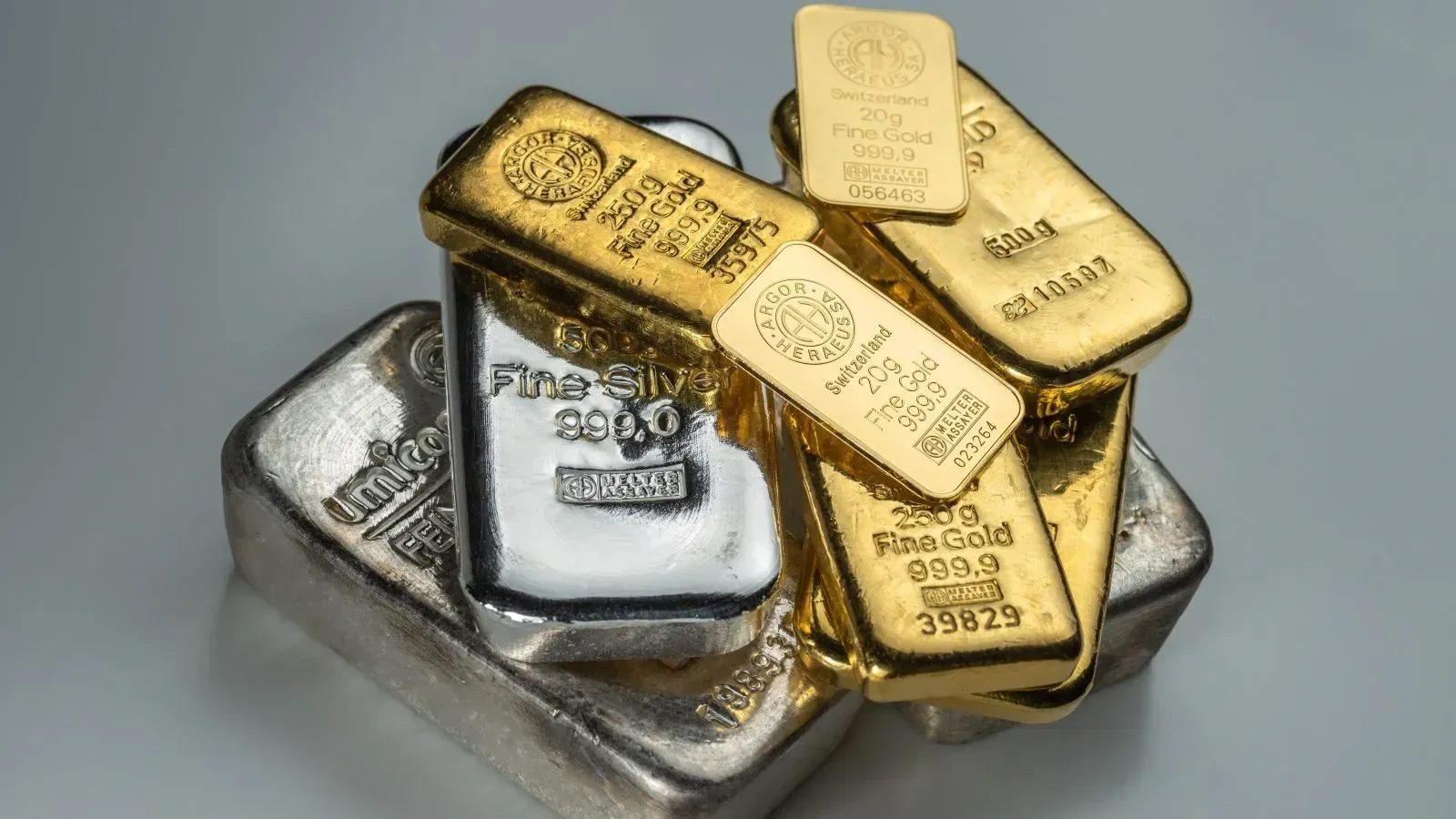
Photo: Upstox
Precious Metals Recover After One of the Worst Routings in Decades
Gold and silver prices bounced back strongly on Tuesday following one of the most dramatic selloffs in modern precious metals trading, offering investors some relief after extreme volatility rattled global markets.
The rebound came after gold suffered nearly a 10% plunge in a single session last Friday, marking one of its steepest one-day declines in decades. Silver’s drop was even more severe, collapsing by roughly 30%, its worst daily performance since 1980. The scale of the losses triggered widespread margin calls, forced liquidations, and a rapid unwinding of speculative positions.
By Tuesday, both metals had clawed back a portion of those losses as traders reassessed whether the rout signaled a deeper structural shift or simply an overextended correction.
Spot gold rose as much as 4% intraday and was last trading more than 2% higher at approximately $4,771 per ounce, while New York gold futures gained around 3%, hovering near $4,791. Silver staged a sharper rebound, with spot prices jumping nearly 8% at the peak before settling about 2.6% higher near $81.30 per ounce. U.S. silver futures surged roughly 7% to around $82.67.
Analysts Say This Was a Positioning Reset, Not a Trend Reversal
Market strategists widely agree that the violent move lower was driven more by positioning and short-term catalysts than by a deterioration in the long-term investment case for precious metals.
According to analysts at Deutsche Bank, the magnitude of the selloff far exceeded what underlying fundamentals would justify. While speculative activity in both gold and silver had been building for months, they argue this alone does not explain the speed or depth of last week’s decline.
Instead, the bank characterizes the episode as a rapid reset in crowded trades rather than a shift in investor conviction.
Crucially, they note that intentions among official institutions, asset managers, and individual investors have likely not turned negative. Central bank gold buying remains historically elevated, portfolio diversification demand is still strong, and geopolitical uncertainty continues to underpin strategic allocations to precious metals.
In their view, the thematic drivers supporting gold and silver remain firmly intact.
What Triggered the Sudden Collapse
The sharp correction was sparked by a convergence of short-term pressures.
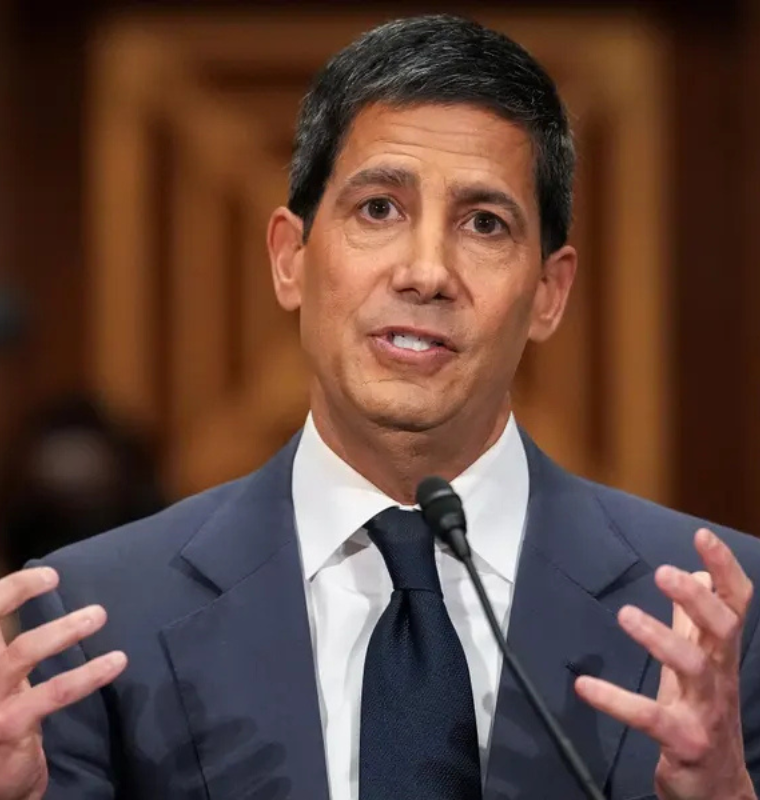
A rebound in the U.S. dollar reduced the appeal of dollar-denominated commodities. At the same time, shifting expectations around U.S. monetary policy intensified after President Donald Trump nominated Kevin Warsh as the next Federal Reserve chair, prompting traders to reassess the future path of interest rates.
With gold and silver already trading at stretched technical levels, the change in sentiment triggered aggressive profit-taking and position trimming ahead of the weekend. Algorithmic trading and leveraged exposure amplified the move, especially in silver, where liquidity is thinner and price swings tend to be more extreme.
Once prices began falling, stop-loss orders and margin calls accelerated the decline, creating a classic cascade effect.
Gold’s Long-Term Case Still Supported by Macro Forces
Despite the turbulence, analysts remain broadly constructive on gold’s outlook.
Barclays acknowledged that technical indicators had become overheated and positioning was crowded, but said the broader bid for gold is likely to stay resilient. Persistent geopolitical risks, uncertainty around fiscal policy, rising government debt, and ongoing reserve diversification by central banks continue to provide structural support.
Many institutional investors also view gold as a hedge against policy volatility and currency debasement, especially as global real yields remain relatively low by historical standards.
Strategists point out that today’s environment differs materially from periods such as the early 1980s or the 2013 downturn, when tighter monetary conditions and falling inflation expectations weighed heavily on bullion. In contrast, current dynamics feature elevated geopolitical tension, expanding fiscal deficits, and sustained central bank demand.
Silver’s Volatility Masks Powerful Industrial Demand
Silver’s price action has been more dramatic, reflecting its smaller market size, higher volatility, and heavier participation from retail traders. While speculative positioning clearly played a role in the recent whipsaw, analysts caution against overlooking silver’s growing industrial relevance.
Unlike gold, silver is both a monetary and industrial metal. Demand is accelerating across sectors tied to the global energy transition and digital infrastructure, including:
- Solar photovoltaic panels
- Data centers and AI hardware
- Electric vehicles and charging systems
- Advanced electronics
Recent industry projections suggest global silver demand could rise to 48,000–54,000 tonnes annually by 2030, while supply is expected to increase only to around 34,000 tonnes. That implies just 62% to 70% of projected demand may be met, pointing to a potentially significant structural deficit.
The solar industry alone is forecast to consume between 10,000 and 14,000 tonnes per year, representing as much as 41% of global supply, driven by the rollout of more silver-intensive photovoltaic cell technologies.
Analysts emphasize that this underlying demand has not disappeared. Instead, silver likely ran ahead of itself during the recent rally, a pattern the metal has historically exhibited during strong bull phases.
Outlook: Volatility Likely, but Fundamentals Remain Supportive
While short-term volatility is expected to persist as markets digest recent moves, many strategists believe the broader investment case for precious metals remains compelling.
Gold continues to benefit from macro uncertainty, central bank accumulation, and portfolio hedging demand. Silver, despite its sharper swings, is increasingly underpinned by real-world industrial consumption tied to renewable energy and next-generation computing.
For investors, the recent selloff appears less like the end of a cycle and more like a violent reset in overheated positioning. As analysts see it, the thematic drivers behind both metals are still firmly in place, suggesting that last week’s historic wipeout may ultimately be remembered as a dramatic correction within a larger structural uptrend.
.webp)
Popular articles



Subscribe to unlock premium content
Step Into the Future of Art

London’s Gourmet Playgrounds

The New Frontier of Children’s Entertainment

Step Into the Future of Art
London’s Gourmet Playgrounds
Step Into the Future of Art