Global Markets Enter December on Edge as Investors Weigh Chances of a Santa Rally

Global Markets Enter December on Edge as Investors Weigh Chances of a Santa Rally
By
Junia Wells
Last updated:
December 1, 2025
First Published:
December 1, 2025

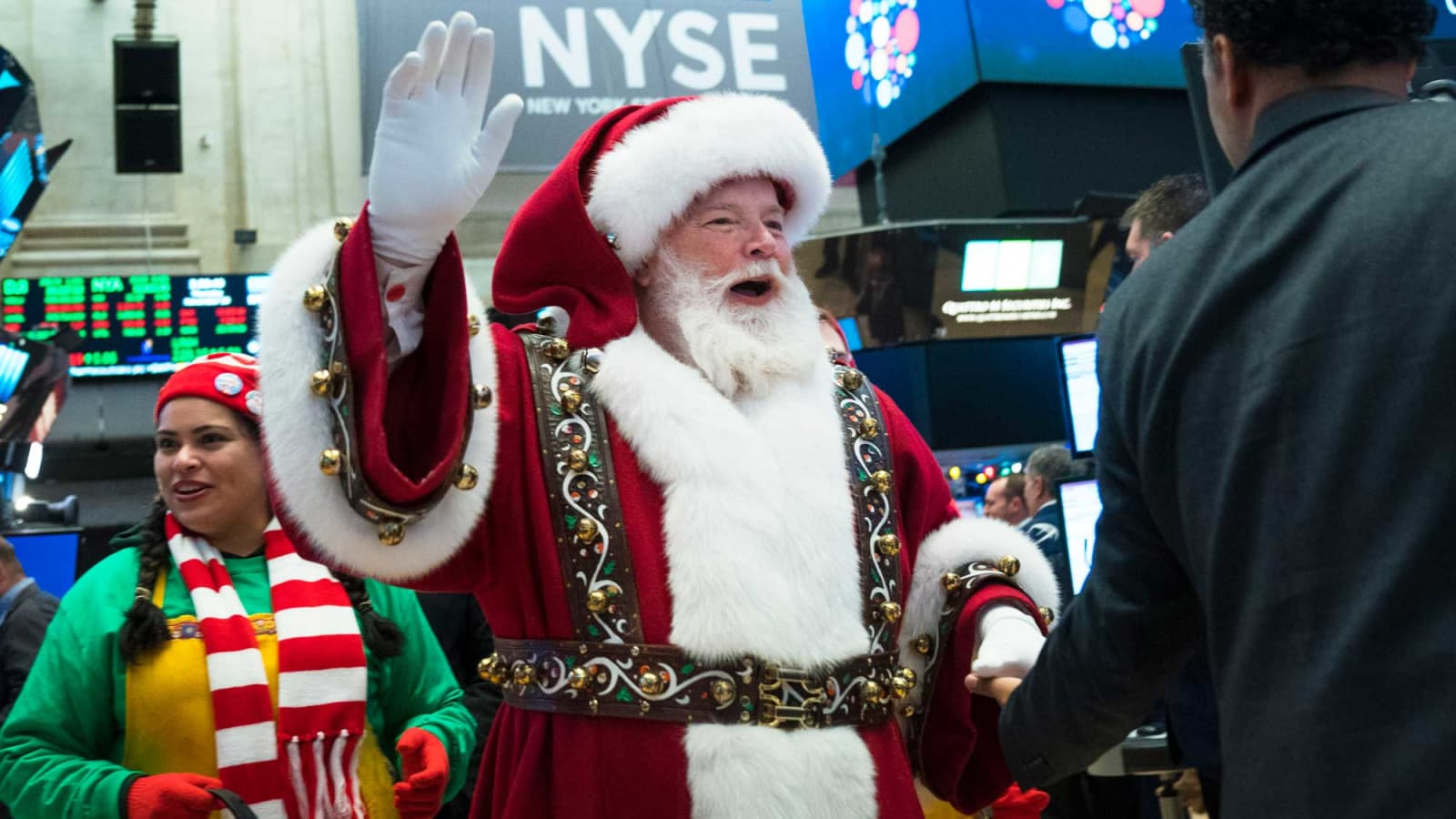
Getty Images
A Turbulent November Sets the Tone for December
December has arrived with markets still digesting a volatile end to November. U.S. equities stumbled into the new month, with major indices retreating as the Nasdaq led declines. Concerns around stretched technology valuations and heavy AI-related spending weighed on investor confidence. In contrast, Europe’s Stoxx 600 held firm, posting its fifth consecutive monthly gain, although European tech shares also felt the pressure.
Investors are now confronted with the question that recurs every year: is a festive “Santa Rally” on the horizon, or will persistent headwinds keep markets subdued as the year closes?
Why a Santa Rally Still Looks Possible
Historical market performance offers a glimmer of optimism. Fidelity International found that the FTSE 100 has produced a positive return in 24 of the last 30 Decembers, reinforcing the tendency for markets to rise into year-end. This year, the U.K. has an additional catalyst: traders are pricing in a 90 percent probability that the Bank of England will cut interest rates in December, following a budget viewed as non-inflationary.
The picture looks different in the eurozone. The European Central Bank is not expected to cut rates, with markets assigning a zero percent chance of a move. Yet this is being interpreted as stability rather than stagnation. Minutes from the ECB’s last meeting described policy as being in a “good place,” a signal of confidence in the current trajectory.
Across the Atlantic, expectations of a Federal Reserve rate cut in December remain elevated. CME FedWatch data shows an 83 percent probability of a reduction, and whenever bets on a U.S. cut rise, both European and Asian equities have tended to follow U.S. markets higher.
With three major central banks reinforcing expectations of easing or stability, some analysts believe monetary policy could help fuel seasonal momentum.
Why December Could Still Deliver a ‘Bah Humbug’
Despite the optimistic narrative, several risks remain firmly in place. The issues that rattled markets in November have not been resolved. Concerns surrounding AI hyperscaler spending — and the speed at which tech giants are deploying capital — continue to unsettle investors. The ECB even issued a warning this week, noting that U.S. tech valuations appear stretched due to “fear of missing out.” The central bank cautioned that AI-driven stocks could be vulnerable to “sharp correlated price adjustments.”
Crypto markets also present a potential drag on risk sentiment. According to research highlighted by CNBC, Compass Point projects further weakness in bitcoin throughout the final month of the year. Analysts believe newer investors are likely to sell, while long-term holders may trim their positions ahead of the next “halving” — the scheduled event that cuts mining rewards in half every four years. Historically, halving cycles have been accompanied by volatility as the market digests shifts in supply dynamics.
These pressures suggest that not all investors should count on December delivering a smooth, upward seasonal glide.
A Complex End to a Complicated Year
Regardless of whether the Santa Rally materializes, December will close out one of the most unpredictable years for global assets in recent memory. Equity markets have whipsawed in response to inflation data, interest rate speculation, geopolitical tensions, and the explosive rise of AI-related investment themes.
The path markets take in December will heavily influence the starting point for 2026 outlooks, making the coming weeks pivotal for portfolio positioning and risk assessment.
.webp)
Popular articles



Subscribe to unlock premium content
Pedal in Style in Amsterdam

From Bean to Boutique: Ghana’s Cocoa Revolution
Green Escapes in the Heart of London

Pedal in Style in Amsterdam
From Bean to Boutique: Ghana’s Cocoa Revolution
Pedal in Style in Amsterdam