
Global Markets Bracing for Impact: Trump’s 48-Hour Ultimatum to Iran Nears Expiry

Global Markets Bracing for Impact: Trump’s 48-Hour Ultimatum to Iran Nears Expiry
By
Alina Sinclair
Last updated:
March 23, 2026
First Published:
April 25, 2026

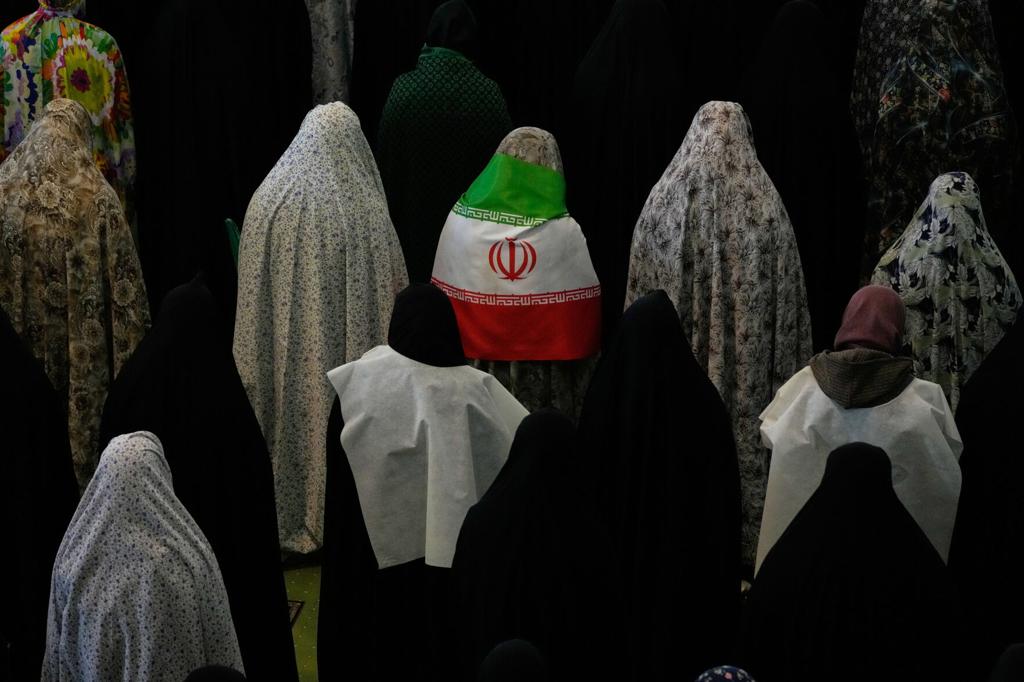
The geopolitical landscape is shifting from traditional military posturing to a direct threat against the global financial system. As the conflict in the Middle East enters its 21st day, the rhetoric between Washington and Tehran has reached a fever pitch. Iran has now expanded its target list beyond military installations, suggesting that any institution holding U.S. Treasury bonds could be caught in the crossfire. This new "financial warfare" strategy coincides with a looming 48-hour deadline set by President Donald Trump for Iran to reopen the Strait of Hormuz.
The Monday Deadline and Financial Fallout
The ultimatum, delivered by the White House on Saturday, is scheduled to expire Monday evening in Washington. President Trump has made it clear: if the waterway—which handles roughly 20% of the world’s total oil consumption—is not reopened for transit, the U.S. will authorize strikes on Iran’s domestic power grid.
In a chilling response on social media, Mohammad Bagher Ghalibaf, Iran’s Parliament speaker, warned that the "blood of Iranians" is essentially baked into U.S. debt instruments. He stated that financial entities funding the U.S. military budget are now considered "legitimate targets." This shift suggests that the 33% of U.S. Treasuries held by foreign entities could become part of a broader kinetic or cyber-offensive strategy, aiming to destabilize the very foundation of the American economy.
A Region on the Brink
Israeli Prime Minister Benjamin Netanyahu has signaled total alignment with the U.S. position. While visiting the site of a recent missile strike in Arad, Netanyahu urged European leaders to recognize the scope of the threat, noting that Iranian reach now extends deep into the European continent.
The military reality on the ground is already devastating. Since the conflict escalated on February 28, the human toll has risen sharply. While Iran’s health ministry reports approximately 1,500 fatalities, independent monitors like the U.S.-based rights group HRANA suggest the true figure is closer to 3,320, including 1,406 confirmed civilian deaths.
Energy Markets and Global Shipping
The Strait of Hormuz is the world's most important oil transit chokepoint. With Iran effectively blocking most traffic, the energy sector is reeling. On Monday, market volatility was on full display. Brent crude prices climbed 0.44% to reach $112.68 per barrel, while U.S. West Texas Intermediate (WTI) rose nearly 1% to hit the $99 mark.
Economists warn that if the 48-hour window closes without a diplomatic "off-ramp," the subsequent strikes on power plants and retaliatory hits on regional desalination and oil facilities could push crude prices into triple digits indefinitely. Ghalibaf warned that any Western strike would trigger "irreversible" damage to the energy infrastructure of the entire Gulf region, likely sparking a global inflationary shock.
Escalating Hostilities Across the Gulf
Over the last 48 hours, the conflict has widened geographically:
- Central Israel: Multiple intercepts and debris falls were reported in at least eight locations near Jerusalem.
- Tehran: Early Monday morning, the Israeli military launched wide-scale strikes targeting Iranian infrastructure, with residents reporting heavy explosions.
- Saudi Arabia & Bahrain: The Saudi Defense Ministry confirmed the interception of ballistic missiles over Riyadh, while air raid sirens have become a frequent occurrence in Bahrain.
- Kuwait & UAE: Both nations confirmed their air defense systems intercepted a wave of drones and missiles launched from Iranian territory on Monday.
With no diplomatic solution in sight and the clock ticking toward the Monday evening deadline, the global economy remains in a state of high alert. The transition from a regional skirmish to a global energy and financial crisis appears to hinge on the next several hours of decision-making in Washington and Tehran.
.webp)
Popular articles



Subscribe to unlock premium content
AI-Curated Luxury Shopping Experiences Transform the Market

Limited-Run Anime Originals Redefining Global Entertainment

Micro-Vertical Farming Becomes Corporate Gold
.png)
AI-Curated Luxury Shopping Experiences Transform the Market
Limited-Run Anime Originals Redefining Global Entertainment
AI-Curated Luxury Shopping Experiences Transform the Market


