
Gen Z Turns Back the Clock to 2016 Driving Nostalgia-Fueled Retail Revival

Gen Z Turns Back the Clock to 2016 Driving Nostalgia-Fueled Retail Revival
By
Rachel Steinberg
Last updated:
February 9, 2026
First Published:
April 25, 2026

Getty Images
2016 Nostalgia Captures Gen Z’s Attention
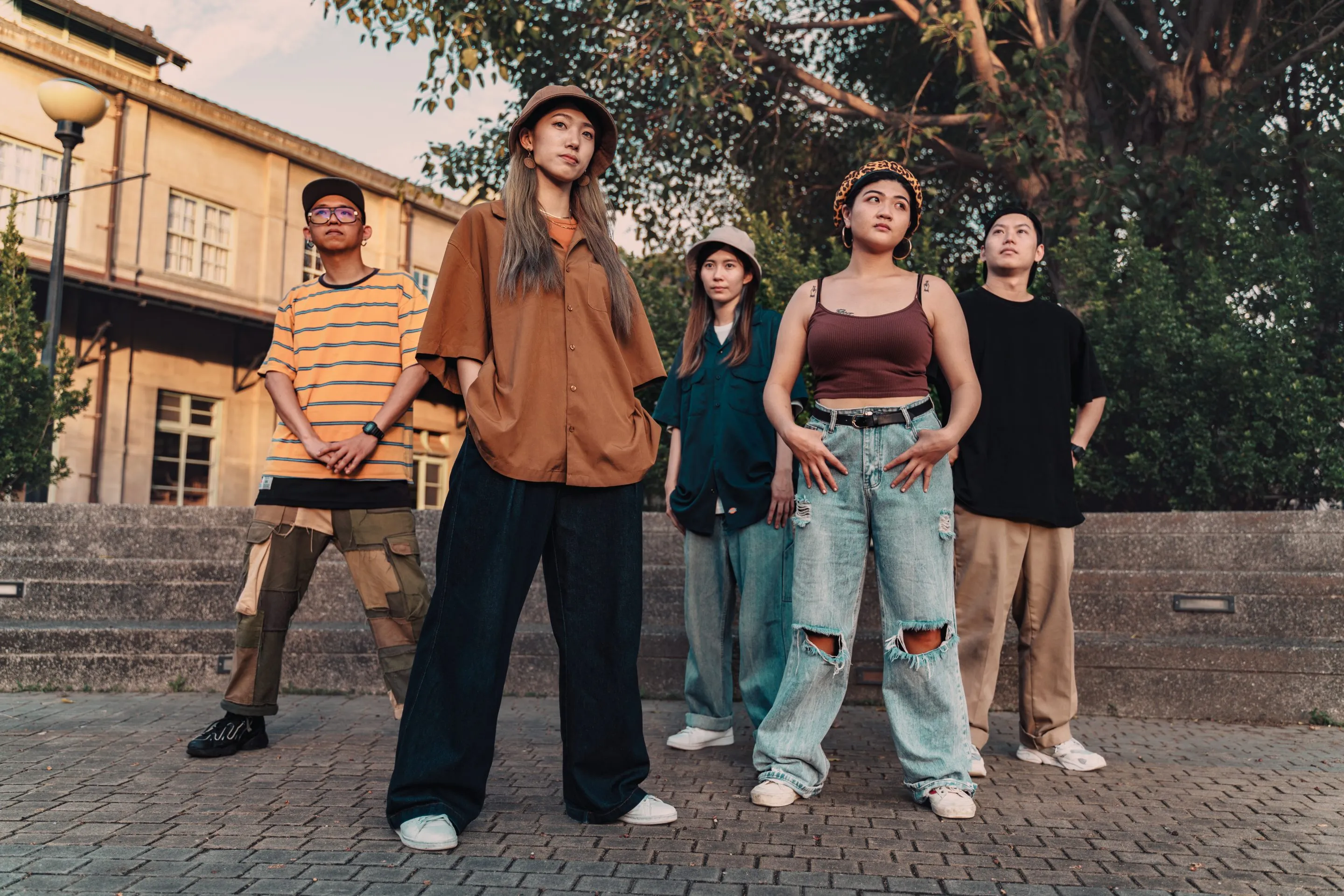
Gen Z is embracing 2016 as a symbolic period of economic stability, lighter cultural trends, and social media authenticity. On platforms like Instagram, TikTok, and Spotify, references to the “2016 aesthetic” have surged, with global search interest hitting record highs. Spotify-linked accounts reported a 790% jump in user-generated “2016” playlists since the start of the year, featuring hits like Zara Larsson’s Lush Life and Justin Bieber’s Sorry. Meanwhile, Hollister, a subsidiary of Abercrombie & Fitch, posted retro-themed visuals celebrating the mid-2010s, including Polaroid cameras, skinny jeans, and neon accents.
Social media strategists say the trend represents more than just nostalgia—it functions as a form of risk aversion. With high inflation, volatile markets, and political uncertainty dominating 2026, consumers are gravitating toward brands and aesthetics that feel familiar and safe.
Economic Uncertainty Shapes Consumer Behavior
Experts note that the mid-2010s were characterized by low interest rates, stable prices, and relative economic optimism. Today, younger consumers are facing rising costs and a more precarious economic landscape. “Consumers are thinking about today’s economy compared to pre-pandemic years, which felt more manageable,” said Joanne Hsu, director of consumer surveys at the University of Michigan.
This environment is prompting selective spending on smaller, emotionally satisfying purchases rather than high-cost items. “When society feels unstable, consumers revert to the last era that felt manageable,” added retail consultant Jan Kniffen, noting that these cycles typically last 18 months, with potential staying power through the midterms and beyond.
Brands Poised to Benefit from the Throwback Trend
Retailers and lifestyle brands that thrived in the mid-2010s are well-positioned to capitalize on Gen Z’s throwback sentiment. Abercrombie & Fitch, along with Hollister, could see a revival if they emphasize their iconic 2016-era casual fashion while distancing from past controversies. Levi Strauss and American Eagle Outfitters may also benefit from renewed interest in skinny and slim-straight fit jeans, tapping into retro denim trends.
Victoria’s Secret has leveraged inclusivity initiatives and its revived runway shows to re-engage consumers, while Urban Outfitters and affiliated brands like Anthropologie and Free People continue to connect with young audiences through curated, trend-conscious offerings.
In the beauty sector, Kylie Cosmetics is strategically leaning into nostalgia, reviving its “King Kylie” persona on Snapchat and social platforms. E.l.f. Beauty has followed suit with campaigns featuring 2010s-era celebrities like Nina Dobrev.
Sneaker culture is seeing a resurgence, benefiting retailers like Foot Locker, now under Dick’s Sporting Goods, as retro stock cycles return. Legacy brands like Ralph Lauren, Tommy Hilfiger, and Coach are also positioned to win by embracing classic “normcore” styles and highlighting brand heritage. Outside fashion, Coca-Cola’s revival of its “Share a Coke” campaign illustrates how even consumer goods are tapping into 2016-themed nostalgia.
Social Media Fuels Cultural and Retail Impact
Social media remains the catalyst for this trend, with viral posts, throwback aesthetics, and nostalgic playlists translating into real-world engagement. Experts note that emotional connections formed during formative teenage and early adult years make brands from 2016 particularly resonant for today’s Gen Z.
Retail analysts emphasize that this wave of retro-driven consumer behavior could have meaningful implications for sales, store traffic, and marketing strategies, particularly for companies that successfully blend authenticity, heritage, and modern relevance.
Looking Ahead
Analysts predict that the 2016 nostalgia trend could extend through 2026 and into 2027, influencing fashion, beauty, and lifestyle markets. For brands that defined the mid-2010s, the current economic and cultural environment provides an opportunity to reconnect with a generation seeking familiarity, comfort, and optimism in uncertain times.
The combination of social media amplification, retro product lines, and strategic marketing could mark a significant revival for brands that once dominated the mid-2010s zeitgeist.
.webp)
Popular articles



Subscribe to unlock premium content
Why Madagascar’s Baobab Forests Are Becoming Exclusive Eco-Luxury Retreat Destinations
The Secret Market of Iceberg Water Bottling in Newfoundland, Canada

Why Seychelles’ Private Island Hopping Experiences Are Becoming a Billion-Dollar Niche

Why Madagascar’s Baobab Forests Are Becoming Exclusive Eco-Luxury Retreat Destinations
The Secret Market of Iceberg Water Bottling in Newfoundland, Canada
Why Madagascar’s Baobab Forests Are Becoming Exclusive Eco-Luxury Retreat Destinations


