France Expands Probe Into Foiled Bank of America Attack With New Arrests in Paris

France Expands Probe Into Foiled Bank of America Attack With New Arrests in Paris
By
Rachel Steinberg
Last updated:
March 30, 2026
First Published:
March 30, 2026

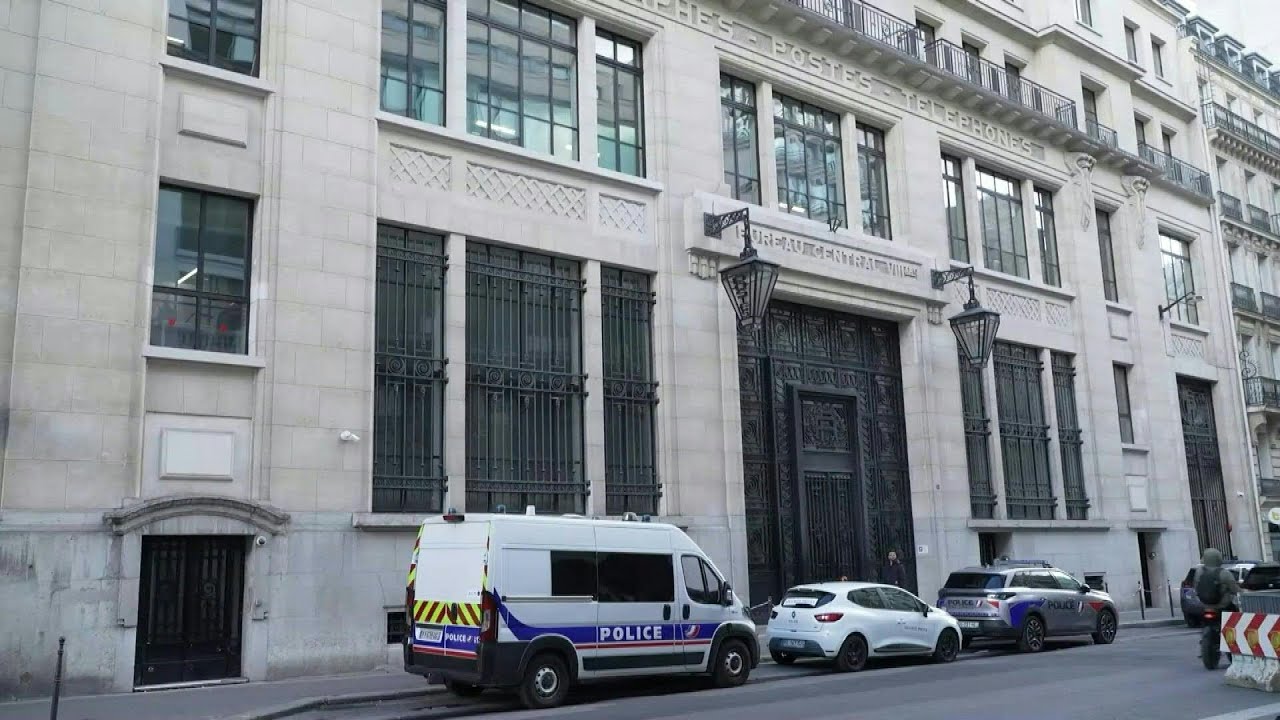
New arrests deepen high-profile terrorism investigation
French authorities have widened their investigation into a thwarted attack targeting Bank of America offices in Paris, detaining two additional suspects as part of an ongoing counterterrorism probe.
The arrests, confirmed by France’s national anti-terrorism prosecutor’s office, bring the total number of individuals in custody to three. The first suspect, a minor apprehended at the scene, remains under extended detention as investigators work to uncover the full scope of the alleged plot.
Under French counterterrorism laws, suspects can be held for up to 96 hours, with possible extensions granted under judicial supervision, allowing authorities additional time to analyze evidence and connections.
Details of the foiled attack emerge
The incident unfolded in the early hours of Saturday in Paris’ 8th arrondissement, a district known for housing major financial institutions and diplomatic offices. Police patrol units assigned to protect sensitive sites identified suspicious activity outside the bank’s premises.
According to officials, two individuals were observed attempting to ignite an improvised device constructed from a container believed to contain flammable substances and a basic ignition mechanism. One suspect was arrested immediately, while the other fled the scene.
Authorities later confirmed that the device, although rudimentary, had the potential to cause serious harm if detonated. Swift intervention by law enforcement prevented the situation from escalating.
Expanding investigation and potential international links
The case has been formally classified under multiple serious charges, including attempted destruction using dangerous means and the manufacture and transport of explosive materials.
France’s domestic intelligence agency, alongside the Paris judicial police, is leading the investigation. Officials are now examining whether the suspects were acting independently or as part of a broader network.
Interior Minister Laurent Nunez indicated that investigators are exploring possible foreign involvement, including suspicions related to Iranian-linked actors. However, he emphasized that no definitive conclusions have been reached at this stage.
The Iranian embassy in France has not issued an official response to these allegations.
Use of proxies raises security concerns
Authorities believe the suspects may have been acting as intermediaries, potentially recruited and compensated to carry out the operation. This tactic—using individuals with criminal backgrounds rather than direct operatives—is increasingly viewed as a common strategy in hybrid or proxy-driven attacks.
Officials described the suspects as “common-law offenders,” suggesting they may not have had ideological motivations but were instead acting under external direction.
This model complicates investigations, as it creates layers of separation between planners and perpetrators, making attribution more difficult.
Pattern of incidents across Europe
French authorities have also identified similarities between this attempted attack and a series of recent incidents across Europe. Countries including the Netherlands, Belgium, the United Kingdom, and Norway have reported cases involving improvised devices targeting locations associated with U.S. interests.
These patterns have raised concerns among security agencies about coordinated efforts or shared tactics being deployed across multiple jurisdictions.
The targeting of financial institutions, in particular, highlights the symbolic and economic significance of such sites, making them attractive targets for disruption.
Heightened security and broader implications
The attempted attack comes amid a period of elevated geopolitical tension, prompting European governments to reinforce security measures around critical infrastructure, embassies, and corporate offices.
Financial institutions with international ties are increasingly viewed as high-risk targets, given their global visibility and economic influence.
For companies operating across borders, the incident underscores the importance of robust security protocols and close coordination with local authorities.
Ongoing investigation and next steps
As the investigation continues, authorities are expected to focus on uncovering communication trails, financial links, and any potential coordination with external actors.
The extension of custody for the suspects suggests that investigators believe additional information may emerge in the coming days.
While the immediate threat has been neutralized, the case highlights the evolving nature of security risks in Europe—where local actors, international tensions, and unconventional tactics intersect in increasingly complex ways.
.webp)
Popular articles



Subscribe to unlock premium content
India’s Luxury Trains Are Redefining Experiential Travel
.png)
Redefining Luxury Through Experience
.png)
Nike’s Custom Sneaker Studios Are Rewriting Urban Culture
.png)
India’s Luxury Trains Are Redefining Experiential Travel
Redefining Luxury Through Experience
India’s Luxury Trains Are Redefining Experiential Travel