Federal Judge Keeps SAVE Student Loan Plan Alive — But Borrowers Still Face Uncertainty

Federal Judge Keeps SAVE Student Loan Plan Alive — But Borrowers Still Face Uncertainty
By
Leah Rosenfeld
Last updated:
March 3, 2026
First Published:
April 25, 2026

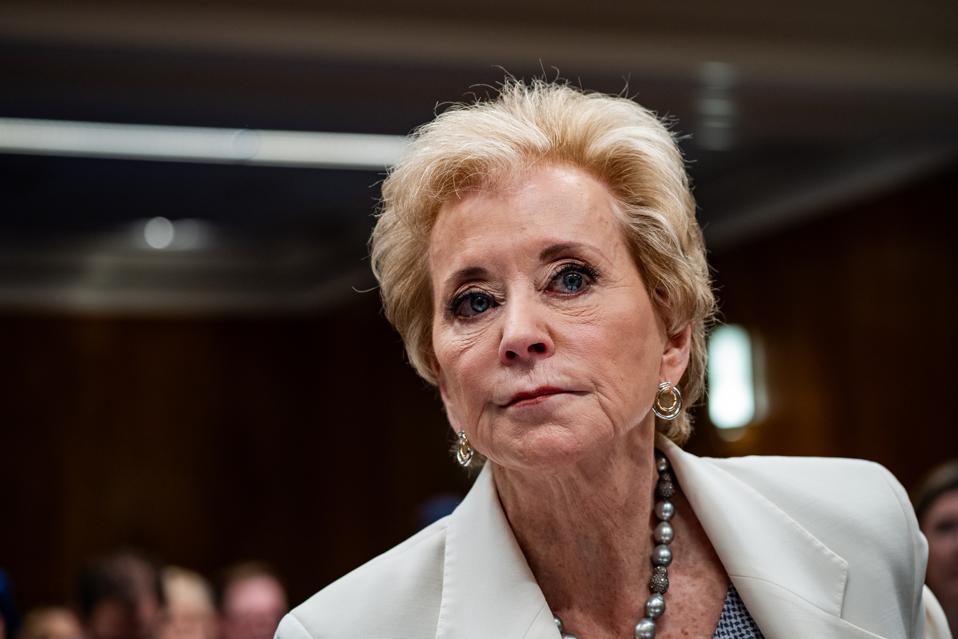
Photo: Forbes
A federal court ruling has given the SAVE student loan repayment plan a temporary reprieve, but millions of borrowers remain in limbo as legal, political, and legislative pressures continue to threaten the program’s survival.
Last week, Judge John Ross of the U.S. District Court for the Eastern District of Missouri dismissed the primary lawsuit challenging the Saving on a Valuable Education plan. The decision effectively rejected an effort by the Trump administration to terminate the program through the courts.
While the ruling surprised many observers, it does not guarantee long-term stability for SAVE. In fact, recent federal legislation already schedules the program to sunset on July 1, 2028.
What the SAVE Plan Promised Borrowers
The SAVE plan was introduced in 2023 by the Biden administration and described as the most affordable income-driven repayment option ever created. It reduced monthly payments for many borrowers to 5% of discretionary income for undergraduate loans and 10% for graduate loans, compared with 10% to 15% under older plans.
For some low-income borrowers, monthly payments dropped to $0 while interest subsidies prevented balances from ballooning due to unpaid interest. At its peak, more than 7 million federal student loan borrowers enrolled in the program, according to data from the U.S. Department of Education.
However, Republican-led legal challenges quickly halted full implementation. Courts placed parts of the program on hold, and Congress later voted to repeal it. As litigation unfolded, borrowers enrolled in SAVE were placed into administrative forbearance.
Why the Court Decision Matters — and Why It Doesn’t Settle Everything
Judge Ross’s dismissal of the central lawsuit removes one major legal obstacle. Consumer advocates argue that the ruling opens the door for the Education Department to restore access to SAVE’s repayment structure and forgiveness processing.
Still, the future of the program depends heavily on how federal officials respond. Education policy experts say the administration has several options: appeal the ruling, initiate a formal rulemaking process to end SAVE, or allow borrowers to resume payments under the plan until its scheduled 2028 expiration.
Given the political opposition surrounding the program, analysts caution that a full revival may be unlikely. The lack of immediate guidance from the Education Department has only increased uncertainty for borrowers trying to plan their finances.
The Impact on Borrowers Currently in Forbearance
Borrowers enrolled in SAVE have been in payment forbearance during the legal disputes. While this has temporarily paused required payments, it has not been cost-free. Since August, interest has continued accruing on balances for many borrowers, potentially increasing total repayment costs over time.
In addition, months spent in this forbearance do not count toward loan forgiveness timelines. For borrowers working toward Public Service Loan Forgiveness or long-term income-driven forgiveness, that pause may delay their expected discharge dates.
With the program slated to end by July 1, 2028 under recent legislation, experts advise most borrowers to proactively explore alternative repayment strategies rather than relying solely on SAVE’s uncertain future.
Alternative Repayment Options to Consider
One of the primary alternatives is the Income-Based Repayment plan. Under IBR, borrowers typically pay 10% of discretionary income, though some older loans require payments of 15%. Forgiveness is available after 20 or 25 years, depending on when the loans were issued.
While IBR payments may be higher than what SAVE offered, it remains a stable, legally established option.
Beginning July 1, 2026, borrowers are also expected to gain access to a new Repayment Assistance Plan, or RAP. Under RAP, monthly payments will range from approximately 1% to 10% of income, structured on a sliding scale. However, forgiveness under RAP would come after 30 years, extending repayment horizons beyond most existing income-driven plans.
Financial planners note that borrowers should carefully compare projected total repayment amounts, interest accrual, and forgiveness timelines before switching plans.
Is There a Rush to Act?
Despite the uncertainty, experts say there is no immediate deadline forcing borrowers to make a decision this week. Some may choose to wait briefly to see whether the Education Department reinstates active SAVE payments or clarifies policy direction.
For borrowers facing affordability challenges, a short wait may provide clarity. However, those concerned about accumulating interest or losing forgiveness credit may prefer to transition to another income-driven plan sooner rather than later.
The Bigger Picture
The SAVE ruling reflects the broader volatility surrounding federal student loan policy over the past several years. Between pandemic-era payment pauses, forgiveness proposals, legal battles, and new repayment frameworks, borrowers have faced a constantly shifting landscape.
With total U.S. student loan debt exceeding $1.6 trillion and affecting more than 40 million Americans, repayment policy remains a central issue in personal finance planning.
For now, the court’s decision has kept SAVE on life support. But with its legislative phaseout already scheduled and political opposition still strong, borrowers would be wise to prepare for a future where SAVE is no longer an option. Careful evaluation of income-driven alternatives, long-term affordability, and forgiveness goals will be essential in navigating the next phase of student loan repayment.
.webp)
Popular articles



Subscribe to unlock premium content
Greece’s Tourism-Driven Economy: Lessons From Financial Crises

The Rise of Remote Work and the Quiet Transformation of Cities

Scented Sophistication Lights Up the Season

Greece’s Tourism-Driven Economy: Lessons From Financial Crises
The Rise of Remote Work and the Quiet Transformation of Cities
Greece’s Tourism-Driven Economy: Lessons From Financial Crises