Europe’s Banks End a Breakout Year With a Capital Allocation Dilemma Ahead

Europe’s Banks End a Breakout Year With a Capital Allocation Dilemma Ahead
By
Junia Wells
Last updated:
January 1, 2026
First Published:
January 1, 2026

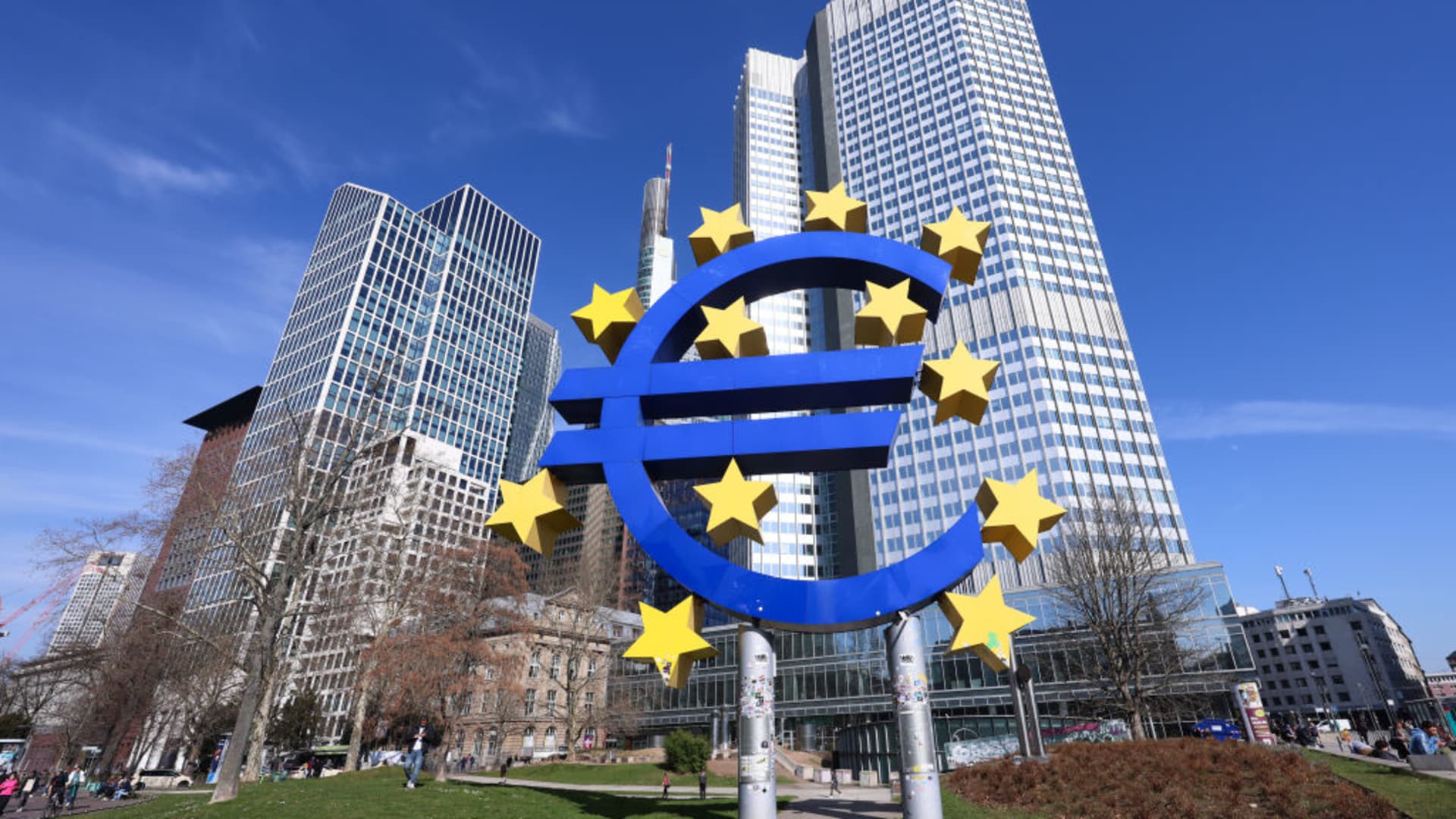
Getty Images
A Banner Year for European Lenders
Europe’s banking sector closed 2025 on a high note, delivering its strongest annual performance since 1997. Bank shares across the region outperformed broader equity markets, buoyed by elevated interest rates, disciplined cost control, and a sharp rebound in profitability after more than a decade of margin pressure.
According to sector data, European banks generated double-digit returns on equity in 2025, with many large lenders reporting ROE levels between 12% and 15%, compared with low single digits just five years ago. Net interest income remained the dominant earnings driver, supported by higher policy rates and improved loan pricing, while credit losses stayed well below historical averages.
A strong third-quarter earnings season reinforced the narrative that Europe’s banks are no longer merely recovering but operating from a position of strength.
Excess Capital Moves to Center Stage
With profits surging and balance sheets fortified, banks are now sitting on what analysts describe as “significant” excess capital. Common equity Tier 1 ratios for major European lenders are comfortably above regulatory minimums, often exceeding 14% to 15%, compared with required levels closer to 10% to 11%.
The key question heading into 2026 is not whether banks have capital, but how they deploy it.
Management teams face several competing options. Share buybacks have already accelerated in 2025, with some of Europe’s largest banks returning billions of euros to shareholders through repurchase programs and dividends. Others are weighing increased payouts as a way to sustain investor confidence after a strong run in share prices.
At the same time, pressure is building to reinvest capital into growth initiatives, including digital banking platforms, artificial intelligence-driven risk management tools, and selective acquisitions, particularly in wealth management and payments.
A Strategic Fork in the Road
The capital allocation debate is complicated by an evolving macroeconomic backdrop. While interest rates remain supportive, markets increasingly expect rate cuts in late 2026 or beyond, which could compress margins over time. That makes long-term investment decisions more consequential.
Some strategists argue that banks should prioritize structural investments now, while profitability is strong, to avoid repeating past cycles in which excess capital was returned to shareholders at the expense of competitiveness.
Others believe restraint is warranted. Loan demand across parts of Europe remains uneven, corporate borrowing is subdued, and geopolitical risks continue to cloud the outlook. In that context, maintaining robust capital buffers and flexible balance sheets may prove more valuable than aggressive expansion.
Investors See a Diversification Opportunity
From an investor perspective, European banks are increasingly viewed as a compelling diversification play for 2026. Valuations, while higher than a year ago, remain reasonable relative to U.S. peers. Many European lenders still trade at or below book value, despite delivering returns that would have been unthinkable a decade earlier.
Dividend yields across the sector frequently range from 6% to 8%, providing income-focused investors with an attractive alternative to bonds as yields gradually normalize. Combined with ongoing buybacks, total shareholder returns remain a core pillar of the investment case.
Strategists also point to improved governance, tighter risk controls, and a more disciplined regulatory environment as reasons why this cycle could prove more durable than previous upswings.
Regulation and Politics Remain Wild Cards
Despite the strong fundamentals, risks remain. Regulatory scrutiny is unlikely to ease, particularly around capital requirements, consumer protection, and climate-related disclosures. Any shift toward tighter rules could constrain capital flexibility just as banks are making long-term decisions.
Political uncertainty also looms, with elections across several European countries and ongoing debates about fiscal policy, defense spending, and banking sector taxation. Windfall taxes on bank profits, introduced in some markets during the rate-hiking cycle, remain a lingering concern for investors.
The Defining Question of 2026
Europe’s banks enter 2026 from a position of confidence rarely seen in recent decades. Profitability is strong, capital is abundant, and investor sentiment has materially improved.
The defining challenge now is strategic execution. How banks choose to deploy their excess capital, whether toward shareholders, growth, or balance-sheet resilience, will determine whether 2025 marks a cyclical peak or the foundation of a more sustainable era for European banking.
After a stellar year, the sector’s next moves may matter even more than its recent results.
.webp)
Popular articles



Subscribe to unlock premium content
Pedal in Style in Amsterdam

From Bean to Boutique: Ghana’s Cocoa Revolution

Green Escapes in the Heart of London

Pedal in Style in Amsterdam
From Bean to Boutique: Ghana’s Cocoa Revolution
Pedal in Style in Amsterdam