Europe Cuts Growth Expectations as Rising Energy Costs Trigger Fresh Inflation Concerns

Europe Cuts Growth Expectations as Rising Energy Costs Trigger Fresh Inflation Concerns
By
Augusta Parker
Last updated:
May 19, 2026
First Published:
May 19, 2026

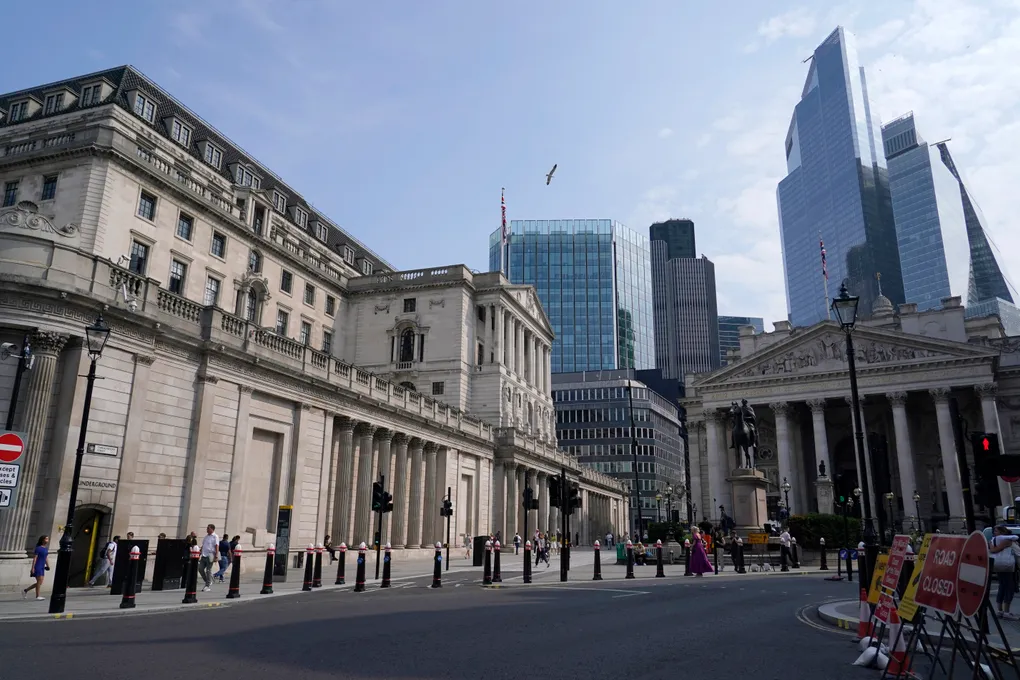
Europe is preparing for a more challenging economic outlook as policymakers increasingly confront the effects of rising energy prices and persistent geopolitical tensions. European officials now expect weaker economic growth alongside higher inflation, creating conditions that many economists describe as a potential stagflationary environment.
The revised outlook comes as ongoing tensions involving Iran continue affecting global energy markets, supply chains, and investor confidence. With oil prices remaining elevated and uncertainty surrounding key shipping routes continuing, European policymakers are warning that economic pressure may intensify in the months ahead.
While Europe has managed several economic shocks in recent years, including the pandemic and energy disruptions following global conflicts, officials believe the current situation presents a particularly difficult challenge because it combines slowing economic momentum with persistent price pressures.
EU Preparing to Lower Growth Forecasts and Raise Inflation Estimates
European economic officials have indicated that the region's upcoming economic outlook will include weaker growth expectations and higher inflation projections.
The revised forecast reflects increasing concerns that higher energy costs and supply disruptions are beginning to weigh on economic activity across the bloc.
The latest expectations point toward:
• Lower GDP growth projections for upcoming quarters
• Higher inflation estimates across member states
• Increased pressure on consumer spending
• Slower business investment activity
• Greater uncertainty surrounding economic recovery momentum
This shift suggests policymakers are becoming more cautious regarding Europe's near-term economic path.
Growth expectations had already been facing pressure from weak industrial activity and uneven consumer demand before energy concerns intensified further.
Why Economists Are Increasingly Talking About Stagflation
The current environment has raised renewed concerns about stagflation, a term used to describe an economy experiencing weak growth while inflation remains elevated.
Stagflation presents a difficult problem because traditional policy tools become less effective.
Normally:
• Weak growth encourages lower interest rates and stimulus measures
• High inflation often requires tighter monetary policy and spending restraint
When both conditions appear simultaneously, policymakers can face conflicting priorities.
Europe's current challenge stems largely from external factors rather than overheating economic demand.
Rising energy costs, supply bottlenecks, and geopolitical uncertainty are increasing prices while potentially limiting growth.
This creates an economic environment where households and businesses can experience pressure from multiple directions at the same time.
Oil Prices Above $100 Continue Creating Pressure
Energy remains one of the biggest concerns for European policymakers.
Crude oil prices have remained elevated above $100 per barrel as markets continue reacting to supply concerns linked to tensions in the Middle East.
Higher oil prices affect economies far beyond fuel markets.
Rising energy costs typically influence:
• Transportation expenses
• Manufacturing costs
• Utility bills
• Food prices
• Business operating costs
• Consumer spending power
Europe remains particularly sensitive to energy disruptions because many industries rely heavily on imported energy supplies.
Even moderate price increases can create broad economic effects across multiple sectors.
Strait of Hormuz Concerns Add to Market Anxiety
Another major concern involves disruptions surrounding the Strait of Hormuz.
The shipping route serves as one of the world's most important channels for global oil transportation.
Large portions of global crude exports pass through the area every day, making any interruption a significant concern for international markets.
Potential impacts from prolonged disruption include:
• Reduced global oil supply availability
• Higher transportation and shipping costs
• Increased volatility across commodity markets
• Pressure on industrial production
• Higher consumer energy prices
Because Europe imports substantial energy supplies, prolonged interruptions could create additional pressure on regional economies.
Global Oil Inventories Are Under Pressure
Market analysts and energy agencies have also raised concerns regarding declining global oil inventories.
Recent industry estimates suggest oil stockpiles have been shrinking at an unusually fast pace.
Lower inventory levels create several risks:
• Reduced ability to absorb supply shocks
• Greater price sensitivity to disruptions
• Increased market volatility
• Potential shortages if demand rises further
Some analysts have warned that inventory buffers may remain under pressure for an extended period if supply challenges continue.
The concern is that shrinking reserves leave markets with less protection against unexpected disruptions.
EU Focuses on Temporary and Targeted Support Measures
Unlike during the pandemic, policymakers appear hesitant to introduce large-scale stimulus programs.
Officials believe broad support packages could unintentionally increase demand and worsen inflationary pressures.
Instead, governments are expected to focus on more targeted measures, including:
• Temporary energy support programs
• Assistance for vulnerable households
• Sector-specific relief efforts
• Strategic energy interventions
Policymakers are attempting to strike a balance between supporting economic activity and avoiding additional inflationary pressure.
Strategic Oil Reserves Continue Playing a Role
European authorities have already begun utilizing strategic energy reserves to help stabilize markets.
Strategic reserves function as emergency supplies intended to reduce the impact of temporary disruptions and price spikes.
However, officials acknowledge that reserves alone cannot solve long-term supply issues.
The longer supply disruptions continue, the greater the risk of:
• Regional shortages
• Higher costs for businesses
• Supply bottlenecks
• Increased inflation pressure
Some concerns have also emerged regarding specialized fuel products and innovation-related energy supplies that support industrial activity.
The Bigger Picture for Europe
Europe's latest economic outlook illustrates how global geopolitical events can quickly reshape domestic economic conditions.
The combination of slowing growth and rising prices presents a difficult environment for policymakers, businesses, and consumers alike.
While the region has demonstrated resilience through previous economic shocks, the current challenge may prove particularly complex because it affects multiple parts of the economy simultaneously.
For now, Europe is entering a period where maintaining economic stability may depend heavily on energy markets, supply chain conditions, and how quickly broader geopolitical tensions can ease.
.webp)
Popular articles



Subscribe to unlock premium content
The $60 Million Market for Ultra-Exclusive Executive Pop-Up Experiences

Adrenaline Meets Prestige

Pampered Paws and Plush Palaces

The $60 Million Market for Ultra-Exclusive Executive Pop-Up Experiences
Adrenaline Meets Prestige
The $60 Million Market for Ultra-Exclusive Executive Pop-Up Experiences