Ethics Watchdog Says Former Fed Governor Adriana Kugler Broke Central Bank Trading Rules

Ethics Watchdog Says Former Fed Governor Adriana Kugler Broke Central Bank Trading Rules
By
Leah Rosenfeld
Last updated:
November 17, 2025
First Published:
November 30, 2025

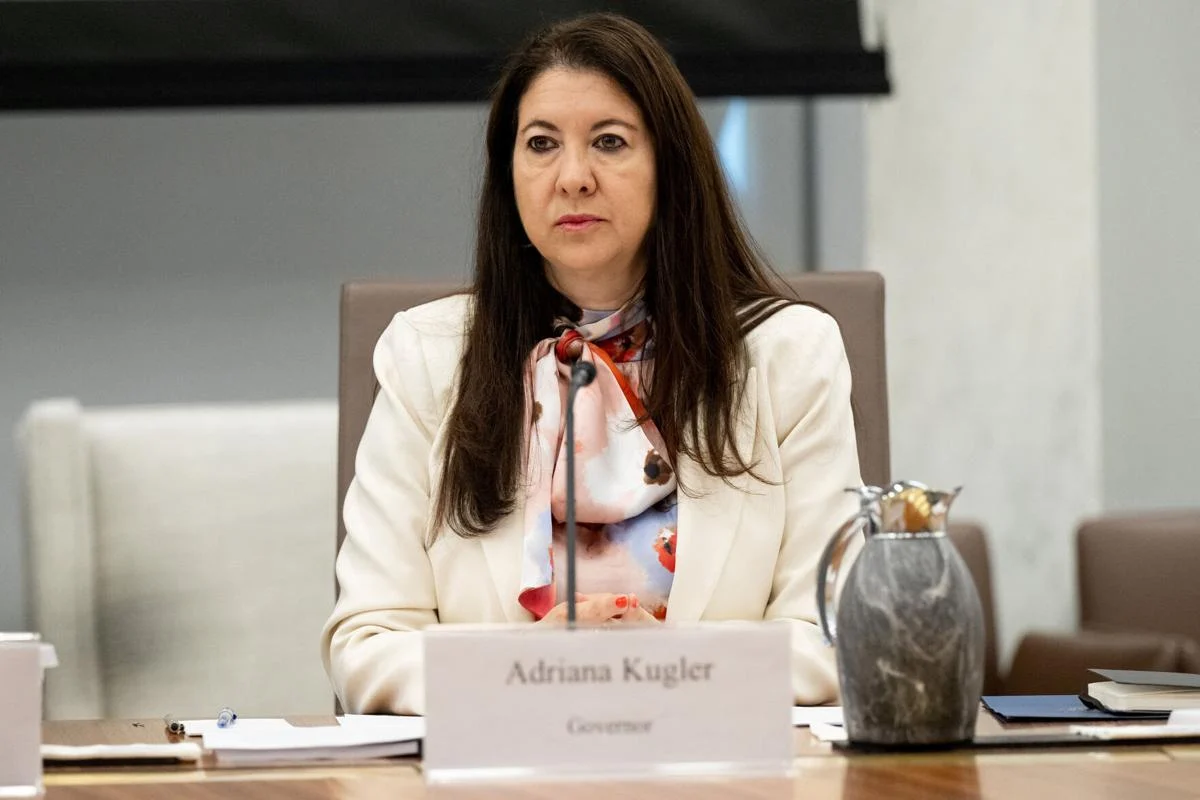
Photo: The Cliff News
Ethics Report Reveals Violations Behind Sudden Exit
A detailed report from the U.S. Office of Government Ethics has confirmed that former Federal Reserve Governor Adriana Kugler violated the central bank’s strict trading rules during her tenure. The findings shed light on the mystery surrounding her sudden resignation three months ago, a departure that ultimately allowed President Donald Trump to install economist Stephen Miran as her replacement.
Kugler, appointed by President Joe Biden in 2023, left the Board of Governors in August 2024 without providing a public explanation. The newly disclosed ethics documents now outline a series of prohibited trades, incomplete disclosures and repeated interactions with compliance officials stretching back nearly a year before her resignation.
Prohibited Trades and Missed Blackout Periods
According to the report, Kugler and—on several occasions—her spouse engaged in trades of individual stocks such as Apple, Southwest Airlines, Caterpillar, and Cava Group. These investments violated two core Federal Reserve ethics rules:
- Senior officials cannot trade individual company stocks, only diversified instruments like index funds
- No financial transactions are allowed during blackout windows around Federal Open Market Committee meetings, where sensitive interest rate decisions are made
Internal records show that as early as September 2024, ethics officers were working with Kugler to resolve multiple compliance concerns. The issue escalated when a senior ethics official refused to certify her Sept. 11 financial disclosure report, which detailed multiple securities transactions conducted either by her or her spouse.
An internal note disclosed that the matter had already been referred to the Office of Inspector General, the independent watchdog overseeing Fed personnel.
Waiver Requests, Missed Meetings and Pressure from Ethics Officials
Weeks before the July 2024 FOMC meeting, Kugler requested a waiver to delay filing her ethics disclosure so she could address impermissible investment holdings. Chair Jerome Powell denied the request, noting that she had already received a standard extension months earlier. Because she did not resolve the matter in time, Kugler did not participate in the July FOMC meeting, with the Fed publicly citing a “personal matter.”
On August 1, just days after the missed meeting, Kugler notified the Fed that she would resign effective August 8.
In an October 2024 amended disclosure, she stated that her husband had executed four trades—three purchases of Apple stock and one purchase of Cava—that violated Fed trading rules. Kugler said she only learned of the trades after the fact and immediately moved to divest the holdings at the instruction of ethics officials.
Her disclosures also showed she received more than $41,000 in pro bono legal services from prominent law firm Arnold & Porter, a detail that raised questions about the scope of her ethics concerns and legal consultations during the review process.
Policy Background and Fed’s History of Trading Scandals
The Federal Reserve banned trading of individual stocks, bonds and cryptocurrencies among its senior officials in early 2022. The rules were enacted after several high-profile controversies involving regional Fed presidents Robert Kaplan and Eric Rosengren, who traded securities during periods in which the Fed was shaping major pandemic-era emergency measures. While neither was found guilty of legal violations, both resigned under intense public scrutiny.
Since then, Fed leadership—including Chair Powell—has faced heightened pressure from lawmakers and advocacy groups to maintain airtight standards around financial conflicts of interest. In 2024, an investigation also found that Atlanta Fed President Raphael Bostic violated trading policies, further fueling concern about the culture of compliance inside the institution.
What Happened After Kugler Resigned
After leaving the central bank, Kugler returned to Georgetown University’s McCourt School of Public Policy and Economics, where she had previously worked as a professor. Her resignation opened a seat for Trump to appoint Stephen Miran, a conservative economist who previously served in the U.S. Treasury. Miran has been serving without pay while also chairing the White House Council of Economic Advisors.
The ethics report does not accuse Kugler or her spouse of intentional wrongdoing, but it makes clear that internal concerns, repeated disclosure problems and prohibited trades contributed directly to her departure from the Federal Reserve — an institution where trust, neutrality and adherence to rules remain critical to public confidence.
.webp)
Popular articles



Subscribe to unlock premium content
Pedal in Style in Amsterdam

From Bean to Boutique: Ghana’s Cocoa Revolution

Green Escapes in the Heart of London

Pedal in Style in Amsterdam
From Bean to Boutique: Ghana’s Cocoa Revolution
Pedal in Style in Amsterdam