Estée Lauder Explores Potential Merger With Puig as Turnaround Efforts Intensify

Estée Lauder Explores Potential Merger With Puig as Turnaround Efforts Intensify
By
Calder Monroe
Last updated:
March 24, 2026
First Published:
March 24, 2026

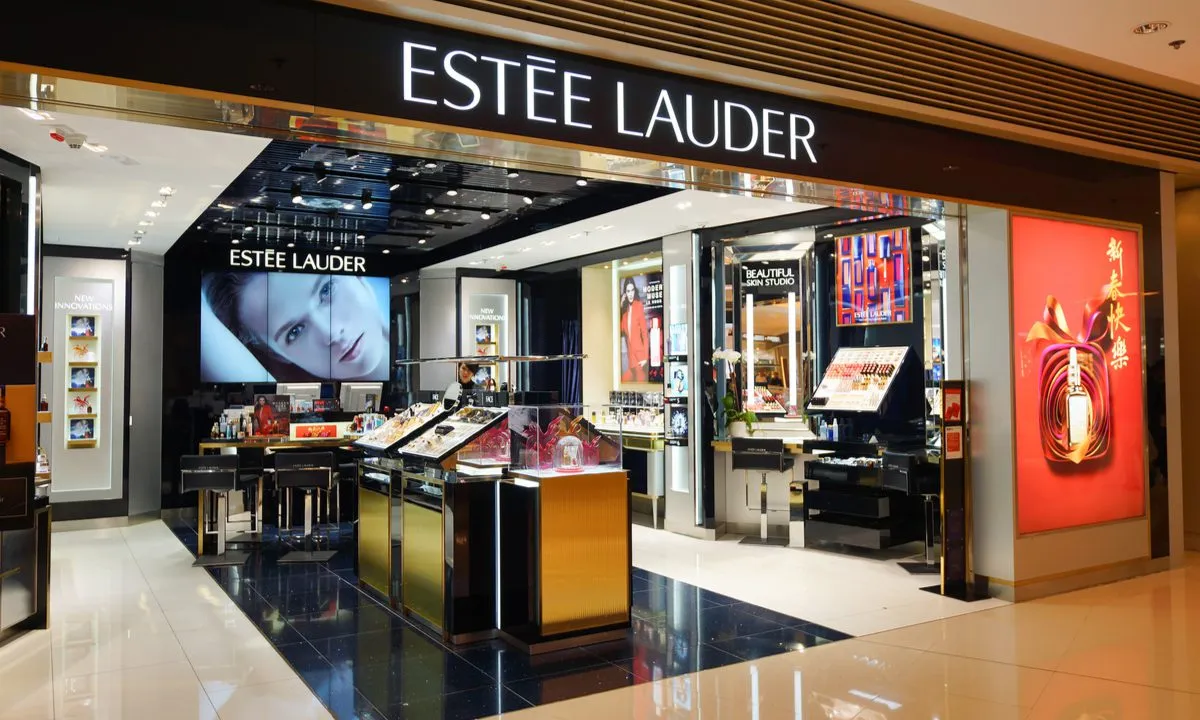
Strategic Merger Talks Signal Industry Shake-Up
Estée Lauder Companies has entered early-stage discussions with Puig over a potential merger, a move that could reshape the global beauty industry. While no agreement has been finalized, the talks highlight a growing urgency within Estée Lauder to stabilize performance and regain growth momentum.
The announcement immediately impacted markets, with Estée Lauder’s shares dropping nearly 8% following the news, while Puig’s stock rose around 3%, reflecting investor optimism about the Spanish group’s strategic positioning.
A Deal That Could Reshape the Beauty Market
If completed, the merger would bring together two major players with complementary portfolios and global reach. Puig has built a strong presence in premium fragrances and fashion-led beauty brands, owning names such as Charlotte Tilbury, Jean Paul Gaultier, and Rabanne.
Estée Lauder, on the other hand, commands a broad portfolio spanning skincare, makeup, and luxury beauty, with deep distribution networks across North America, Europe, and Asia. A merger could unlock synergies in product development, marketing, and global expansion, particularly in high-growth markets.
Analysts suggest that combining Puig’s strength in fragrance and branding with Estée Lauder’s scale and infrastructure could create a more resilient and diversified beauty powerhouse.
Turnaround Pressures Drive Strategic Moves
The merger discussions come at a critical time for Estée Lauder, which has been navigating a challenging business environment. The company is currently executing its “Beauty Reimagined” transformation plan, aimed at streamlining operations, improving margins, and reigniting growth.
However, progress has been uneven. In its most recent quarterly earnings update, the company warned of a potential $100 million hit to full-year profitability due to ongoing tariff pressures and supply chain disruptions. These challenges have added to existing headwinds, including weaker demand in key markets and shifting consumer preferences.
As a result, Estée Lauder’s stock has declined approximately 25% year-to-date, signaling waning investor confidence and increasing pressure on management to deliver results.
Tariffs and Global Headwinds Add Complexity
Global trade tensions and tariffs have played a significant role in the company’s recent struggles. Increased costs on imported goods and raw materials have squeezed margins, while economic uncertainty has dampened consumer spending in premium beauty categories.
At the same time, the industry is undergoing structural changes. Consumers are increasingly shifting toward niche brands, digital-first beauty companies, and personalized skincare solutions, intensifying competition for established players.
A merger with Puig could help Estée Lauder better navigate these challenges by expanding its brand portfolio and strengthening its presence in high-margin segments like fragrances.
Market Reaction Reflects Mixed Sentiment
Investor response to the potential deal has been cautious. The decline in Estée Lauder’s share price suggests concerns about execution risk, integration challenges, and the financial implications of a large-scale merger.
In contrast, Puig’s stock gain indicates confidence in its growth trajectory and the potential benefits of partnering with a global leader. The divergence highlights how markets often view consolidation differently depending on each company’s current position and perceived upside.
No Final Decision Yet
Both companies have emphasized that discussions remain preliminary, with no binding agreement or timeline in place. This leaves open a range of possible outcomes, from a full merger to alternative forms of strategic collaboration—or even a complete breakdown of talks.
Given the scale and complexity of such a transaction, any deal would likely face regulatory scrutiny and require careful integration planning to realize expected synergies.
The Bigger Picture
The potential merger between Estée Lauder and Puig reflects a broader trend of consolidation in the global beauty industry. As growth slows and competition intensifies, companies are increasingly turning to strategic partnerships to scale operations, diversify offerings, and improve efficiency.
For Estée Lauder, the talks represent more than just a deal—they signal a निर्णायक moment in its turnaround journey. Whether or not the merger materializes, the company’s next steps will be critical in determining its ability to adapt and compete in a rapidly evolving market.
.webp)
Popular articles



Subscribe to unlock premium content
Petals, Prestige, and Urban Elegance

Scoops on Wheels: The Rise of Artisan Ice Cream Vans

Luxury in Every Lather
Petals, Prestige, and Urban Elegance
Scoops on Wheels: The Rise of Artisan Ice Cream Vans
Petals, Prestige, and Urban Elegance