Elon Musk Urges Dismantling of EU After 120 Million-Euro Fine Hits X

Elon Musk Urges Dismantling of EU After 120 Million-Euro Fine Hits X
By
Junia Wells
Last updated:
December 9, 2025
First Published:
December 9, 2025

Getty Images
What Sparked the Firestorm
European regulators fined social-media platform X €120 million (about US $140 million) for what officials described as misleading design of its verification “blue checkmark,” lack of transparency in its advertising repository, and failure to grant researchers public access to its data. The penalty marks the first enforcement of the bloc’s new Digital Services Act, which took effect in 2022 to police oversight of large online platforms.
The ruling follows a two-year investigation by the European Commission (EC). The Commission gave X 60 days to outline changes to its blue-check system and 90 days to fix issues related to ad-data transparency and public data access — or face further penalties.
Musk’s Response: From Frustration to Full-Blown Backlash
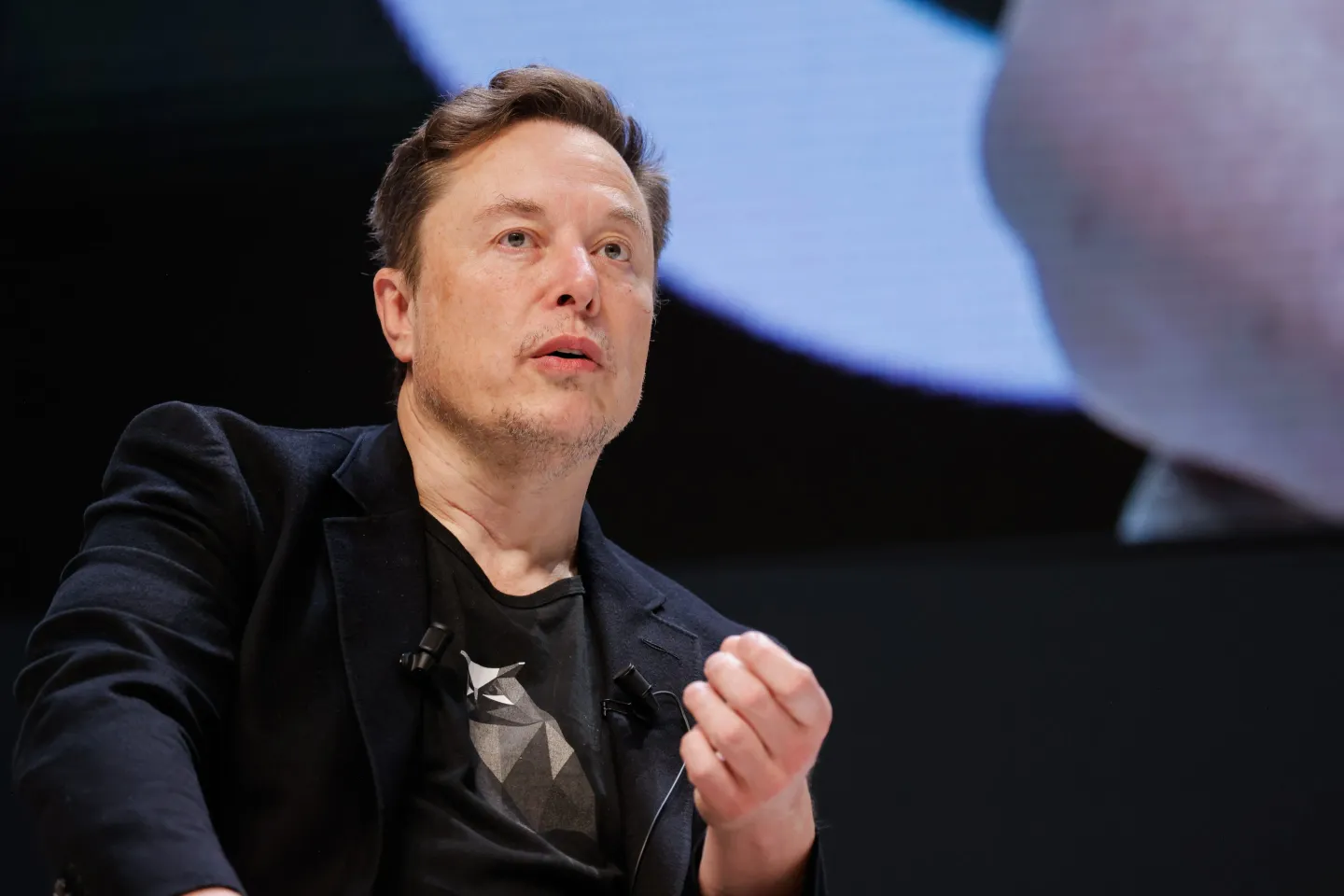
In a blunt reaction on X, founder Elon Musk responded with profanity to the EC’s findings, writing “Bulls---.” He quickly escalated his condemnation, declaring that the EU should be abolished and that sovereignty should revert to individual member states, arguing that national governments are better positioned to represent their people.
Musk’s remarks echo a broader outcry among some U.S. officials and public-policy actors who argue that the fine represents “regulatory overreach” targeting American technology firms.
U.S. Officials Join the Chorus
Senior American figures aligned with Musk’s condemnation of the fine. U.S. Secretary of State Marco Rubio described the penalty as “an attack on all American tech platforms and the American people by foreign governments.” Meanwhile, U.S. Ambassador to the EU Andrew Puzder warned that the decision undermines American innovation and called for “fair, open, and reciprocal trade.”
The statements reflect growing concern in Washington that European regulatory pressure may have broader implications for trans-Atlantic tech relations, global competitiveness, and the future of online platforms.
What the EU Expects Next — and Why It Matters
Under the Digital Services Act’s rules, X now has a limited window to comply. Failing to meet the Commission’s demands could result in additional fines or escalating financial penalties. The ruling is widely viewed as a precedent — not just for X, but for any large platform operating across Europe.
For X, the changes may require redesigning core user-interface elements, enhancing transparency around ad targeting, and opening up access to data for independent researchers. If these adjustments are made, they might reshape how X and other platforms operate globally.
For regulators, success with this case could embolden future enforcement — pushing other American tech firms to re-evaluate compliance, transparency, and design practices when operating abroad.
What It Means for Online Platforms, Users and the Global Tech Landscape
This confrontation between Musk and the EU represents more than a fight over a fine — it's a clash over governance, digital sovereignty, and the balance between national regulation and global platforms. As regulatory pressure rises in Europe, the cost of non-compliance for large digital companies may increase significantly.
Users could see changes in the way verification works, how ads are delivered, and how much platform data is available for public research. For tech firms, the case signals that expansion into international markets now comes with heightened regulatory risk — and that transparency and compliance may be just as important as innovation and growth.
The next few months will be critical, as X decides whether to comply with the EU’s demands — or continue its confrontation. Either way, the outcome could reshape the future of social media regulation, corporate accountability, and the power balance between governments and global platforms.
.webp)
Popular articles



Subscribe to unlock premium content
Immersive Worlds on Stage
Freedom on Wheels in Portugal

a very very descriptive final thoughts

Immersive Worlds on Stage
Freedom on Wheels in Portugal
Immersive Worlds on Stage