Egg Prices Crash as Supply Floods Market While Producers Face Growing Cost Pressure

Egg Prices Crash as Supply Floods Market While Producers Face Growing Cost Pressure
By
Alina Sinclair
Last updated:
May 23, 2026
First Published:
May 23, 2026

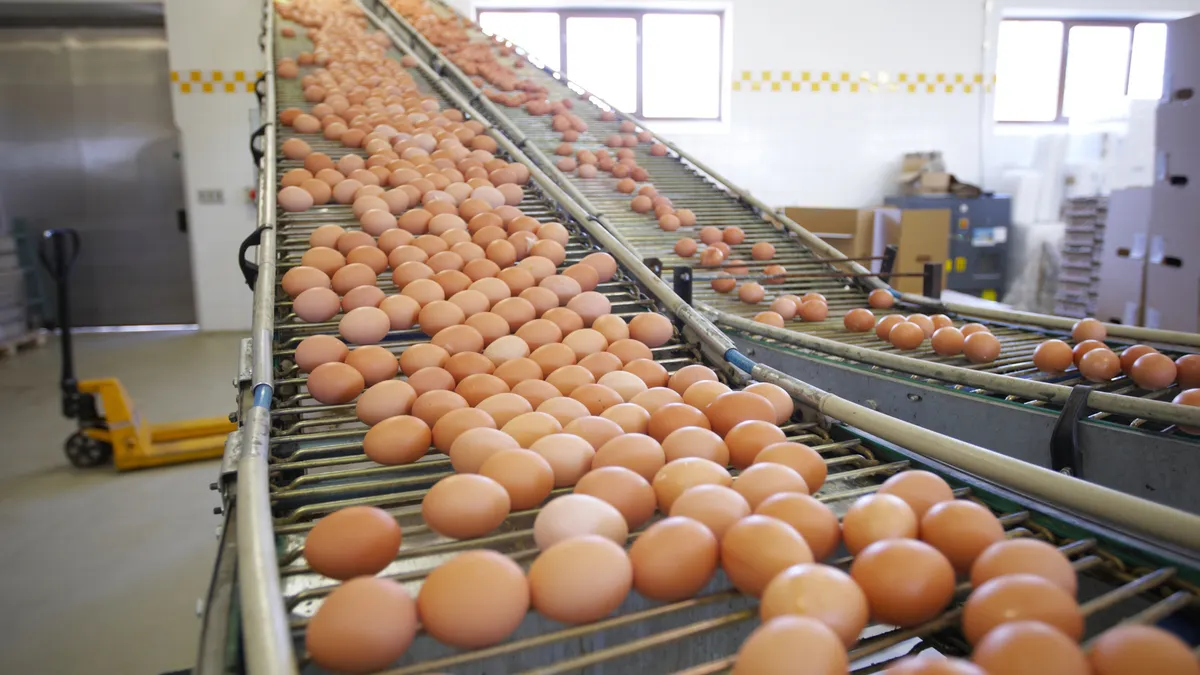
Photo: Food Dive
After months of consumers dealing with high grocery bills and record egg prices, the market has shifted dramatically. Egg prices are now falling sharply across stores as supply levels recover and production ramps up. While shoppers are seeing cheaper prices at supermarket shelves, producers are facing a very different reality behind the scenes.
The industry has moved from a severe shortage caused by avian influenza to an oversupply situation, creating a difficult balancing act for farmers and distributors. Lower retail prices are helping consumers, but many producers say their profit margins are narrowing as operating costs remain elevated.
What was once a pricing crisis for buyers has now become a profitability challenge for suppliers.
The Egg Market Has Reversed Rapidly
Just a year ago, the conversation surrounding eggs looked very different.
The poultry industry was dealing with major disruptions caused by avian influenza outbreaks, which forced farms to cull millions of birds and significantly reduced production capacity. Supply shortages pushed prices sharply higher and turned eggs into one of the most discussed food inflation stories in the country.
Now the market has flipped.
Following aggressive flock rebuilding efforts and improved production levels, supply has recovered faster than many producers expected. The result is an abundance of eggs entering the market.
Some retailers are now offering eggs at prices that would have seemed impossible during last year's shortage period. In some regions, a dozen eggs can now be found for less than one dollar.
Government inflation data also reflects the sharp decline. Egg prices dropped nearly 44.7% year over year in March 2026, representing one of the largest reversals among food categories.
The decline marks a significant turnaround after the historic surge consumers experienced during the height of supply disruptions.
Producers Say Lower Prices Do Not Mean Easier Conditions
While falling prices may appear positive from the outside, producers argue that lower shelf prices do not automatically translate into healthier business conditions.
The issue is simple: costs remain high while selling prices are falling.
Several major expenses continue to pressure producers:
• Feed costs
• Fuel expenses
• Labor costs
• Transportation expenses
• Equipment and maintenance costs
• Farm operating expenses
Feed alone remains one of the biggest challenges.
Industry estimates suggest that feed can account for roughly half of the cost involved in producing a dozen premium eggs. Corn and soybean prices, which heavily influence feed costs, have experienced volatility over recent years.
Fuel costs have added another layer of pressure.
Transportation remains essential throughout the egg supply chain, from delivering feed to farms to moving products into supermarkets and distribution centers. Higher diesel costs can quickly affect operational profitability.
Even with lower commodity prices, these underlying expenses have not disappeared.
Consumer Demand Remains Strong
One important factor working in favor of producers is that demand has not weakened.
Consumer interest in eggs remains healthy, supported by changing nutritional preferences and increasing focus on protein-rich diets.
Recent survey data suggests that protein consumption has become a major priority for many households.
Key trends include:
• More than four out of ten consumers say they focus more on protein today than they did five years ago
• Roughly two-thirds of consumers report eating eggs weekly specifically for protein intake
• Many shoppers increasingly prefer whole foods over heavily processed alternatives
Eggs remain one of the most affordable and accessible sources of high-quality protein, helping maintain consistent consumer demand.
Health trends have also strengthened egg consumption as consumers continue looking for foods perceived as natural and nutrient dense.
Oversupply Is Outpacing Demand Growth
Despite strong consumer interest, industry leaders say demand growth has not been fast enough to absorb the increase in production.
The current weakness in prices appears to be driven primarily by supply recovery rather than a drop in buying activity.
Several factors are contributing to the surplus:
• Recovery from previous bird losses
• Expansion among smaller farms
• Improved production efficiency
• Larger flock rebuilding efforts
• Increased productivity across the industry
When multiple producers rapidly increase output at the same time, supply can exceed market demand even if consumption remains healthy.
The result is downward pressure on prices.
Consumers benefit immediately from lower costs at grocery stores, but producers often face shrinking margins during these periods.
Politics Enters the Conversation
The decline in egg prices has also become part of broader economic discussions.
Political leaders have pointed to lower prices as evidence of improving affordability conditions ahead of upcoming elections.
Falling grocery costs are often closely watched because food prices directly affect household budgets and consumer sentiment.
Egg prices in particular attract attention because they represent one of the most visible everyday products consumers purchase regularly.
However, industry leaders emphasize that current pricing trends appear largely connected to agricultural supply dynamics rather than changes in consumption patterns.
The Bigger Picture
The egg market is experiencing a classic supply and demand cycle.
Last year brought shortages, higher prices, and concerns about affordability. This year has introduced a completely different challenge: abundant supply and shrinking producer margins.
Consumers are enjoying lower grocery bills and stronger availability, but producers are navigating a difficult environment where rising operating expenses continue colliding with falling selling prices.
The situation highlights how rapidly agricultural markets can change and why lower prices for shoppers do not always translate into better conditions for businesses behind the supply chain.
.webp)
Popular articles



Subscribe to unlock premium content
Celebrity-Endorsed High-Altitude Vineyards Transform Luxury Wine Market

Liquid Luxury on Ice

Hollywood’s Forgotten Treasures Become the Ultimate Status Symbol

Celebrity-Endorsed High-Altitude Vineyards Transform Luxury Wine Market
Liquid Luxury on Ice
Celebrity-Endorsed High-Altitude Vineyards Transform Luxury Wine Market