Disney’s New Star Wars Film Opens Softly as ‘The Mandalorian and Grogu’ Faces Early Box Office Pressure

Disney’s New Star Wars Film Opens Softly as ‘The Mandalorian and Grogu’ Faces Early Box Office Pressure
By
Leah Rosenfeld
Last updated:
May 23, 2026
First Published:
May 23, 2026

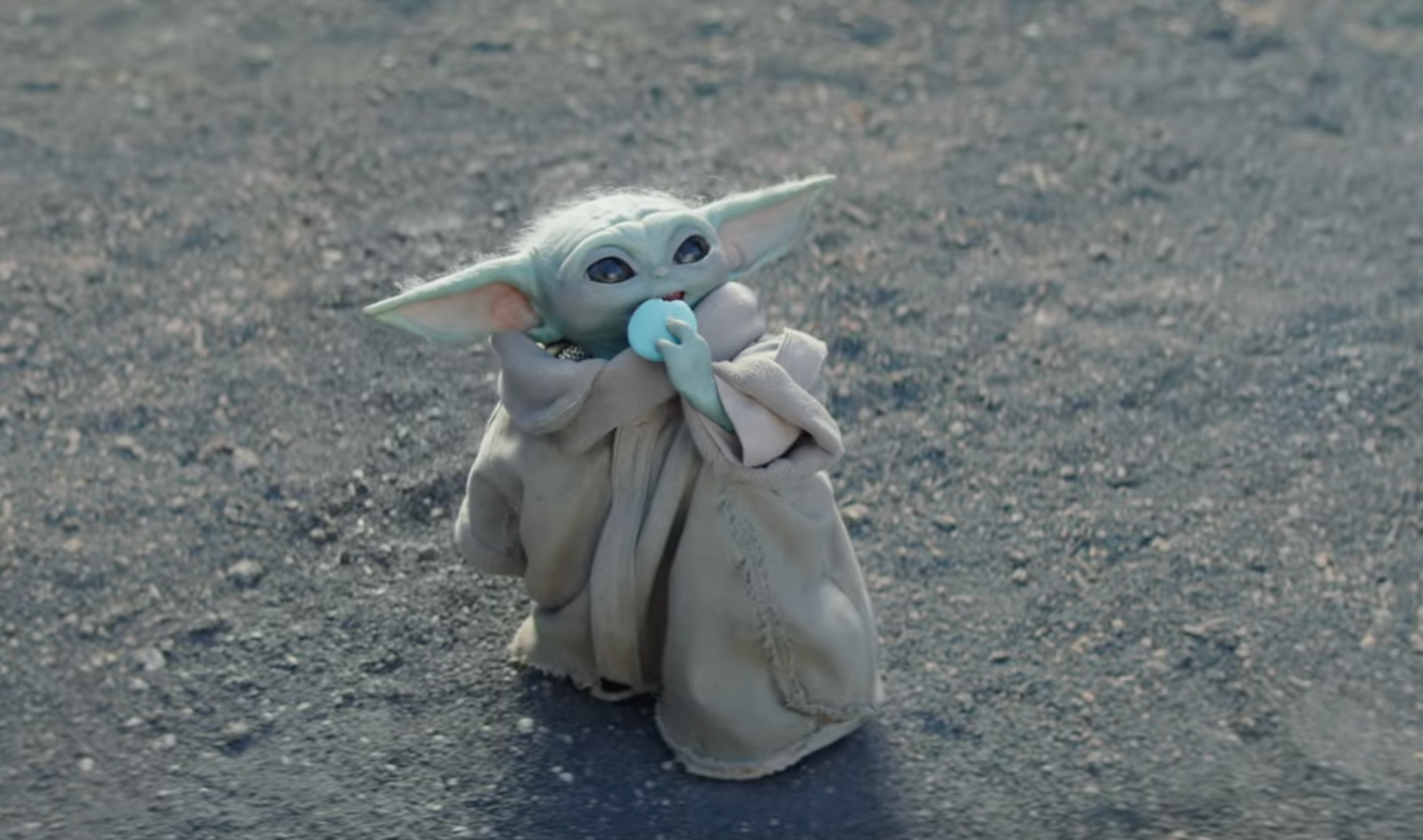
After a seven year absence from theaters, Star Wars has finally returned to the big screen. However, Disney's latest entry, The Mandalorian and Grogu, is beginning its cinematic journey with slower than expected momentum.
The film generated approximately $12 million in Thursday night preview ticket sales, marking the smallest advance preview performance for a modern Star Wars theatrical release. The figure falls below Solo: A Star Wars Story, which previously held the franchise's lowest preview benchmark with $14.1 million.
While the numbers have raised concerns among industry analysts, Disney's long term goals for the film may extend well beyond opening weekend ticket sales.
Star Wars Returns to Theaters After Seven Years
Disney's latest release marks the first Star Wars movie to reach cinemas since Star Wars: The Rise of Skywalker premiered in late 2019.
That film crossed the $1 billion mark globally but generated mixed reactions from audiences and critics. Following that release, Disney and Lucasfilm largely shifted focus toward streaming content on Disney+, allowing the franchise to rebuild itself through serialized storytelling rather than theatrical releases.
During that period, Star Wars expanded significantly through multiple streaming projects including:
• The Mandalorian
• Andor
• Obi-Wan Kenobi
• Ahsoka
• Skeleton Crew
• The Book of Boba Fett
Among these projects, The Mandalorian emerged as Disney's biggest breakout success, becoming one of the platform's flagship series and introducing audiences worldwide to Grogu, widely known by fans as "Baby Yoda."
The television success created expectations that a theatrical adaptation would carry substantial audience interest.
Opening Weekend Expectations Remain Modest by Star Wars Standards
Industry projections currently suggest the film could generate around $80 million during its traditional three day opening period and roughly $95 million during the extended Memorial Day holiday weekend.
Some more optimistic forecasts suggest the film could reach approximately $95 million over three days and potentially exceed $115 million during the holiday frame.
Even at the higher end of estimates, the launch would still rank among the smallest opening performances in modern Star Wars history.
Since 2015, only Solo opened below the $100 million threshold domestically.
The softer projections suggest audience behavior around blockbuster franchises may be changing, particularly as viewers increasingly become accustomed to consuming major franchise content through streaming platforms.
Disney May Be Running a Larger Test Than a Single Movie Launch
The release of The Mandalorian and Grogu represents more than just another Star Wars movie.
Industry analysts view the project as a major test for Disney's future theatrical strategy.
Throughout the previous decade, Disney dominated global cinema largely through powerhouse franchises such as Star Wars and Marvel. However, both brands have recently faced questions around audience fatigue, shifting viewing habits, and changing expectations for blockbuster entertainment.
The performance of this film could influence how Disney approaches future Star Wars projects already in development.
One major title on the horizon is Star Wars: Starfighter, expected to reach theaters in 2027 and starring Ryan Gosling under the direction of Shawn Levy.
The success or weakness of the current release may shape the studio's production decisions moving forward.
Lower Production Costs Could Improve Profitability
Unlike several recent Star Wars releases that carried massive production budgets exceeding $250 million, Disney reportedly kept spending for The Mandalorian and Grogu significantly lower.
The production cost is estimated at approximately $165 million.
That reduced spending level changes the financial equation considerably.
Lower production costs mean the film does not need to reach the same box office heights as previous Star Wars entries in order to become profitable.
Marketing expenses still represent an additional cost factor, but maintaining a smaller production budget gives Disney more flexibility in measuring success.
The film was directed by Jon Favreau, who played a major role in launching The Mandalorian television series alongside Dave Filoni.
Merchandise Could Become the Real Financial Winner
For Disney, the box office is only one part of the larger revenue picture.
The Star Wars franchise has historically generated enormous revenue through consumer products, licensing agreements, collectibles, toys, apparel, gaming products, and theme park experiences.
Grogu in particular has proven to be one of Disney's strongest merchandising assets in recent years.
Following the release of Star Wars: The Force Awakens, toy company Hasbro recorded nearly $500 million in Star Wars product sales.
Disney is already expanding tie-in opportunities around the new film through:
• Exclusive merchandise collections
• Theme park integrations
• Updated attractions featuring Grogu
• Branded collectibles and toys
• Retail partnerships
The company has also refreshed experiences around its Smugglers Run attraction, introducing Grogu-focused elements designed to strengthen audience engagement beyond theaters.
The Bigger Picture
The early ticket numbers for The Mandalorian and Grogu may not match the historic launches associated with previous Star Wars films, but the project serves a much broader purpose for Disney.
The movie is testing whether a streaming born franchise can successfully transition back into theaters, while also supporting merchandise sales, theme park experiences, and long term franchise expansion.
For Disney, success may ultimately be measured not only by opening weekend ticket sales, but by how effectively Star Wars reconnects with audiences across its entire entertainment ecosystem.
.webp)
Popular articles



Subscribe to unlock premium content
Celebrity-Endorsed High-Altitude Vineyards Transform Luxury Wine Market

Liquid Luxury on Ice

Hollywood’s Forgotten Treasures Become the Ultimate Status Symbol
Celebrity-Endorsed High-Altitude Vineyards Transform Luxury Wine Market
Liquid Luxury on Ice
Celebrity-Endorsed High-Altitude Vineyards Transform Luxury Wine Market