Delivery Hero Stock Jumps as Uber Explores Bigger Acquisition Push

Delivery Hero Stock Jumps as Uber Explores Bigger Acquisition Push
By
David Goldfarb
Last updated:
May 26, 2026
First Published:
May 26, 2026

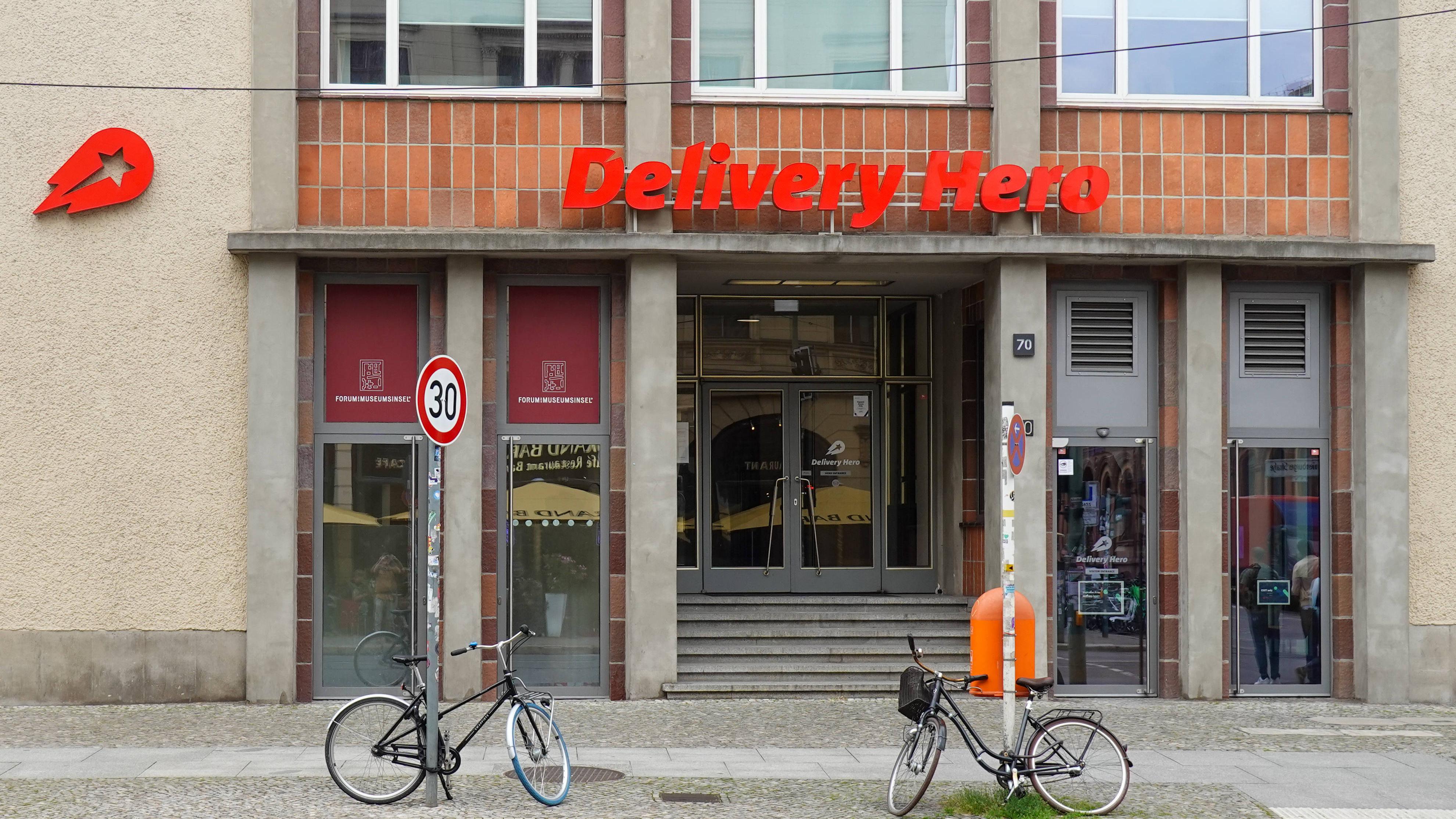
Photo: Lebensmittel Zeitung
Shares of Delivery Hero surged sharply after reports emerged that Uber may be preparing an improved takeover proposal for the German food delivery giant, reigniting discussions around one of the largest potential deals in the online delivery sector.
The news fueled optimism among investors, sending Delivery Hero shares more than 10% higher in early trading, as markets reacted to the possibility of a multi-billion-euro acquisition that could reshape competition across global food delivery and on-demand services.
The developments also signal that competition among major delivery platforms is entering a new phase, where scale, market reach, and profitability are becoming increasingly important.
Delivery Hero Shares Rally on Acquisition Speculation
Investor sentiment strengthened after reports suggested that Uber was evaluating a revised bid following resistance to an earlier proposal.
Delivery Hero had confirmed that it received a takeover approach from Uber valued at €33 per share, equivalent to approximately $38 per share based on current exchange rates.
That proposal would place Delivery Hero's market value at more than €10 billion, making it one of the most significant deals in the online delivery sector in recent years.
Following the announcement, Delivery Hero stock opened approximately 10.5% higher, reflecting investor expectations that a revised offer could potentially come at a higher premium.
Acquisition rumors often create sharp stock movements because investors anticipate improved shareholder value if bidding competition intensifies.
Uber Reportedly Considers Raising the Offer
Market attention increased further after reports indicated that Uber's board met over the weekend to discuss a stronger proposal.
According to reports, a later offer near €38 per share was also met with resistance from a major Delivery Hero shareholder.
That response suggests investors and stakeholders may believe the company deserves a higher valuation based on its global operations and future growth potential.
Although no final decision has been publicly announced, speculation surrounding an improved bid has intensified investor interest.
Large acquisitions often involve several rounds of negotiation before reaching an agreement, particularly when strategic assets and long-term market opportunities are involved.
Uber Has Quietly Become Delivery Hero's Largest Shareholder
Uber's increasing involvement with Delivery Hero extends beyond acquisition discussions.
Last week, Delivery Hero disclosed that Uber had expanded its ownership stake significantly.
The U.S. ride-hailing and delivery company increased its holding from roughly 7% to approximately 19.5% of issued shares, becoming Delivery Hero's largest shareholder.
That move immediately attracted attention because it suggested a deeper strategic interest rather than a simple investment position.
Large ownership stakes can often provide a company with stronger influence over future discussions, strategic decisions, and potential merger negotiations.
Investors frequently interpret such moves as signals of longer-term intentions.
Why Delivery Hero Is an Attractive Target
Delivery Hero operates one of the world's largest food delivery networks, with businesses spanning Europe, Asia, the Middle East, Latin America, and other international markets.
The company has spent years building a large footprint across emerging and developed economies through acquisitions and regional expansion strategies.
Delivery platforms increasingly compete on several critical factors:
• User growth
• Delivery speed
• Restaurant partnerships
• Logistics networks
• Profitability
• Technology integration
As competition intensifies, companies with larger ecosystems can often spread operational costs more efficiently and improve margins.
For Uber, acquiring Delivery Hero could provide greater global scale and strengthen market positioning in regions where competition remains intense.
The Food Delivery Industry Is Entering a Consolidation Wave
If an acquisition ultimately moves forward, it would represent another major step in an industry already experiencing rapid consolidation.
The online delivery market has evolved dramatically over recent years.
During periods of strong growth, companies aggressively expanded into new countries and invested heavily in customer acquisition. However, investors have increasingly shifted attention toward sustainable profitability rather than growth at any cost.
Recent industry deals have reflected that changing environment.
Large transactions have already reshaped the competitive landscape, including:
• DoorDash acquiring Deliveroo
• Prosus purchasing Just Eat
• Increased strategic partnerships across regional delivery businesses
Industry consolidation is often driven by the need to reduce operational overlap, improve margins, and strengthen market share.
Mergers can also help companies gain access to customer data, technology infrastructure, and established logistics systems.
Market Reaction Reveals Investor Expectations
While Delivery Hero shares climbed sharply, Uber stock moved in the opposite direction.
Uber shares had previously fallen approximately 2.4%, reflecting concerns among some investors about the financial implications of a large acquisition.
Large mergers frequently create mixed reactions in equity markets.
Delivery target companies often rise because investors anticipate premium buyout prices, while acquiring companies can face pressure over questions surrounding:
• Purchase costs
• Integration risks
• Financing requirements
• Regulatory approvals
• Potential profitability impacts
Investors may initially become cautious if they believe an acquisition could increase spending or create execution risks.
Regulatory Challenges Could Still Shape the Outcome
Even if Uber decides to move ahead with a larger proposal, several hurdles could remain.
Major international acquisitions frequently face detailed reviews from competition regulators.
Authorities often examine:
• Market concentration levels
• Consumer pricing effects
• Competitive balance
• Potential impacts on smaller rivals
Food delivery markets in many regions already feature a small number of dominant players, meaning regulators may closely analyze any deal that significantly changes market structure.
The Bigger Picture
The latest developments around Uber and Delivery Hero highlight how rapidly the delivery economy is evolving.
Companies that once focused purely on expansion are now competing around efficiency, scale, and long-term profitability.
For Uber, increasing its position in Delivery Hero could strengthen its global ambitions and broaden its influence in one of the most competitive technology sectors.
For Delivery Hero shareholders, growing acquisition interest may represent an opportunity for increased value.
For the broader industry, the message is becoming increasingly clear: the race is no longer only about delivering meals faster. It is increasingly about who can build the largest and most sustainable ecosystem for the future of digital commerce.
.webp)
Popular articles



Subscribe to unlock premium content
Lunar Dreams Become Reality

Defying Gravity in Billionaire Gyms

Celebrity-Curated Smart Homes with AI Butlers Redefine Modern Luxury

Lunar Dreams Become Reality
Defying Gravity in Billionaire Gyms
Lunar Dreams Become Reality
.png)
.png)