Data Center Expansion in the Middle East Hits Pause as Conflict Disrupts AI Growth Plans

Data Center Expansion in the Middle East Hits Pause as Conflict Disrupts AI Growth Plans
By
David Goldfarb
Last updated:
April 29, 2026
First Published:
April 29, 2026


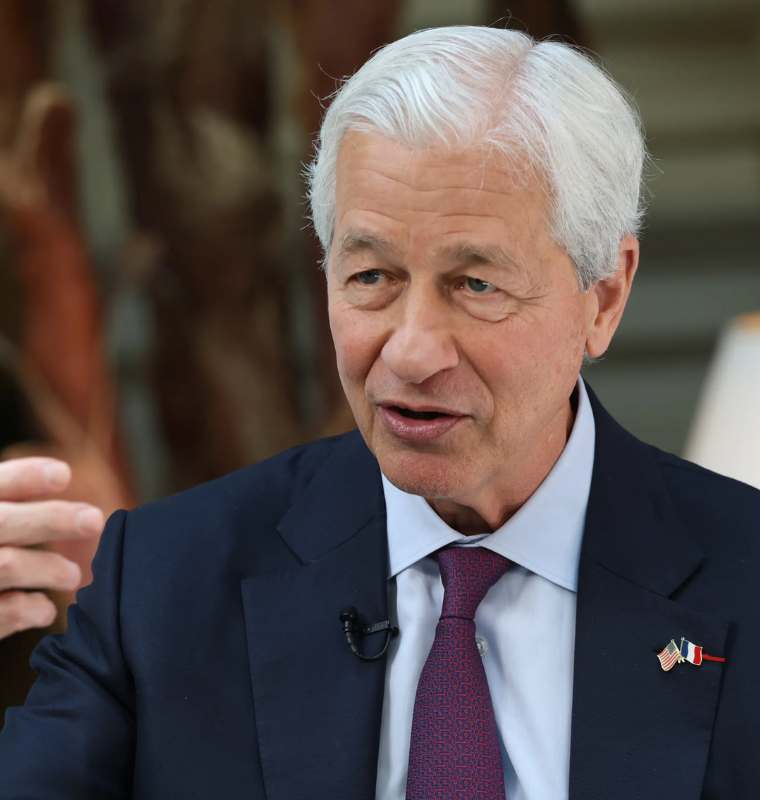
Photo: The Week
Ambitious plans to turn the Middle East into a global hub for artificial intelligence infrastructure have hit a significant roadblock. One of the industry’s key players has temporarily halted investment decisions across the region, highlighting how geopolitical instability is beginning to reshape the future of digital infrastructure.
Pure Data Centre Group, a major developer backed by global capital, has confirmed it is pausing all new commitments related to data centers and AI infrastructure projects in the Middle East. The move comes as escalating conflict involving Iran has triggered a sharp rise in oil prices, disrupted supply chains, and introduced new security risks for critical assets.
Conflict Forces a Strategic Pause
The decision to halt investments reflects a broader sense of caution spreading across the sector. According to the company’s leadership, deploying large-scale capital into projects that require long-term stability has become increasingly difficult in the current environment.
Building modern data centers is not just about real estate and power access. These facilities depend on complex global supply chains for advanced hardware such as GPUs, cooling systems, and networking equipment. With disruptions intensifying and transport routes becoming less predictable, timelines and costs are becoming harder to manage.
At the same time, physical security has emerged as a pressing concern. Infrastructure in the region is no longer seen as immune from direct impact. In a recent incident, a data center facility in Abu Dhabi experienced damage from falling debris linked to regional attacks, underlining how exposed even high-tech assets can be during periods of conflict.
Billions in AI Infrastructure at Risk
The Middle East has been aggressively investing in becoming a global AI and cloud computing powerhouse. Governments across the Gulf have committed tens of billions of dollars toward digital transformation strategies, aiming to diversify economies away from oil and position themselves at the center of the next technological wave.
Countries like the United Arab Emirates and Saudi Arabia have been offering incentives such as low-cost energy, tax advantages, and large-scale land availability to attract hyperscalers and data center developers. This has already led to major commitments from global cloud providers and infrastructure firms.
However, the current instability is forcing a reassessment. Large-scale AI data centers require not only capital but also long-term confidence in regional stability. Even short-term disruptions can have cascading effects on multi-year investment cycles.
Long-Term Opportunity Still Intact
Despite the pause, the region remains strategically important for companies like Pure Data Centre Group. Leadership continues to describe the Middle East as a high-priority market with strong long-term potential.
Demand for digital services across the region continues to grow rapidly. From government digitization initiatives to enterprise cloud adoption and consumer-driven demand, the underlying fundamentals supporting data center expansion remain strong.
Discussions around future projects are still ongoing, even if immediate capital deployment has slowed. This suggests that once geopolitical tensions ease, investment activity could resume quickly.
Workforce Challenges in High-Risk Zones
As data centers evolve into critical infrastructure, the people operating them are facing new challenges. Employees working in facilities located in high-risk areas must now consider safety in ways that were previously uncommon in the tech industry.
Companies are adapting by introducing flexible work arrangements and enhanced support systems. Non-essential staff are being given the option to relocate or work remotely, while those who remain on-site are receiving additional benefits and protections.
Industry experts predict that compensation structures may also evolve. Hazard pay, typically associated with industries like oil and gas or defense, could become more common in data center operations located in volatile regions. Beyond financial incentives, there is also growing recognition of the psychological strain placed on workers operating in potentially targeted environments.
Shift Toward Remote Operations
Another major trend emerging from the situation is the acceleration of remote data center management. Companies are increasingly investing in technologies that allow facilities to be monitored and controlled electronically, reducing the need for large on-site teams.
Automation, AI-driven monitoring systems, and remote infrastructure management tools are becoming critical components of operational strategy. This shift not only improves safety but also enhances efficiency and resilience in uncertain environments.
The Bigger Picture for Global Tech Infrastructure
The pause in Middle East investments highlights a broader reality for the global tech industry. As digital infrastructure becomes more central to economies and national strategies, it is also becoming more exposed to geopolitical risks.
Data centers are no longer just commercial assets. They are strategic infrastructure, supporting everything from financial systems to government operations and AI development. This makes them both valuable and vulnerable.
For now, companies are choosing caution over expansion. But the long-term trajectory remains clear. The demand for AI, cloud computing, and digital services is not slowing down. Once stability returns, the Middle East is likely to re-emerge as a key battleground for the next phase of global infrastructure investment.
Until then, the industry is watching closely, balancing risk with opportunity in one of the world’s most strategically important regions.
.webp)
Popular articles



Subscribe to unlock premium content
Remote Himalayan Villages Transforming Ancient Traditions into Lucrative Wellness Ventures
Gilded Holidays in Fashion

Frozen Frontiers of Luxury

Remote Himalayan Villages Transforming Ancient Traditions into Lucrative Wellness Ventures
Gilded Holidays in Fashion
Remote Himalayan Villages Transforming Ancient Traditions into Lucrative Wellness Ventures