Danish Pension Fund Pulls Out of U.S. Treasurys Over Fiscal Risks

Danish Pension Fund Pulls Out of U.S. Treasurys Over Fiscal Risks
By
David Goldfarb
Last updated:
January 21, 2026
First Published:
April 25, 2026

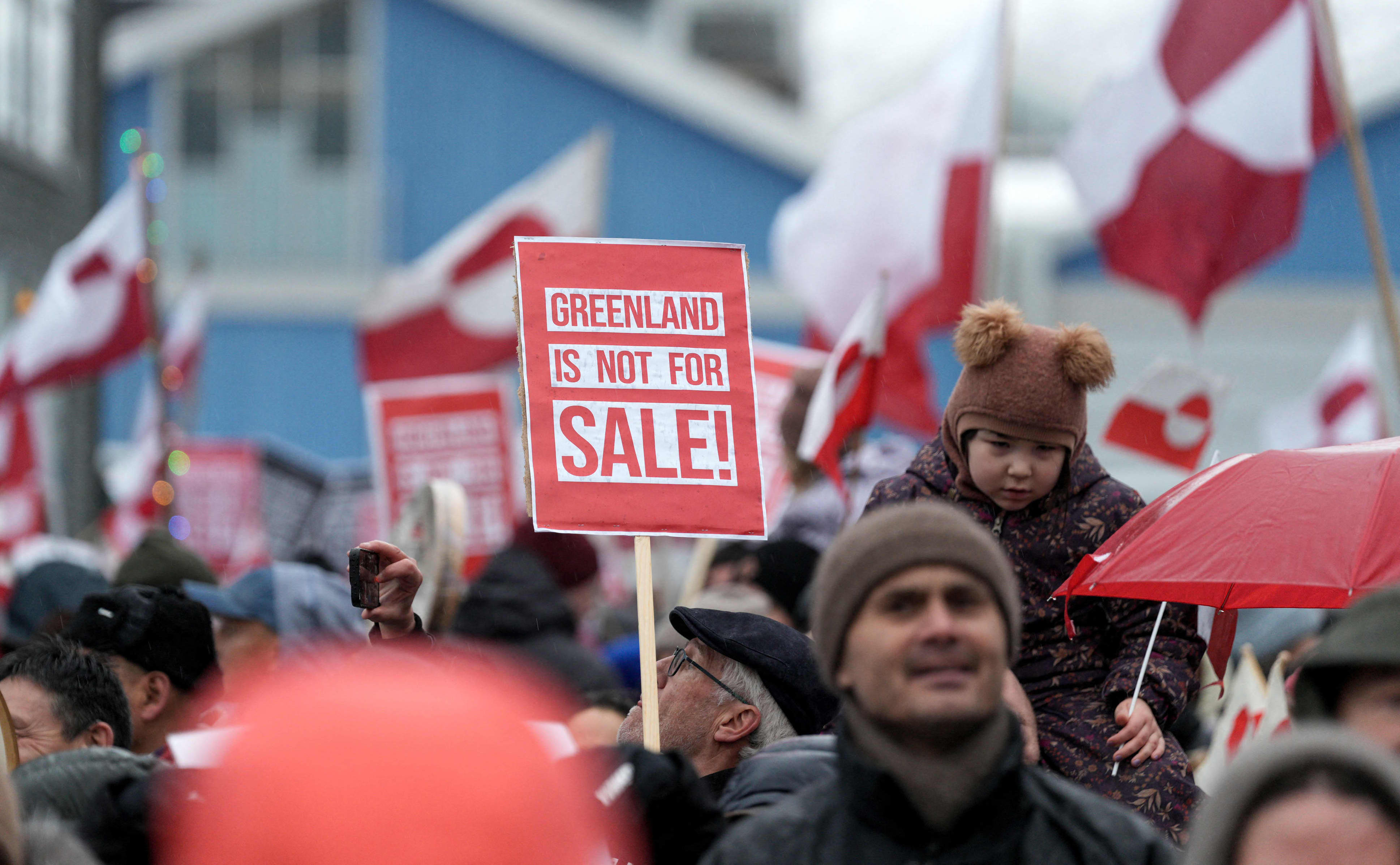
Photo: CNBC
A major Danish pension fund is stepping away from U.S. government debt, citing growing concern over America’s fiscal health and long-term debt sustainability. AkademikerPension, which manages retirement savings for academics and professionals in Denmark, said it will fully exit its holdings in U.S. Treasurys by the end of this month, unwinding a position worth approximately $100 million.
The decision comes at a moment of heightened political and economic strain between the United States and Europe, as President Donald Trump escalates pressure on Denmark over Greenland while also threatening sweeping tariffs on European countries.
Fiscal discipline drives the investment decision
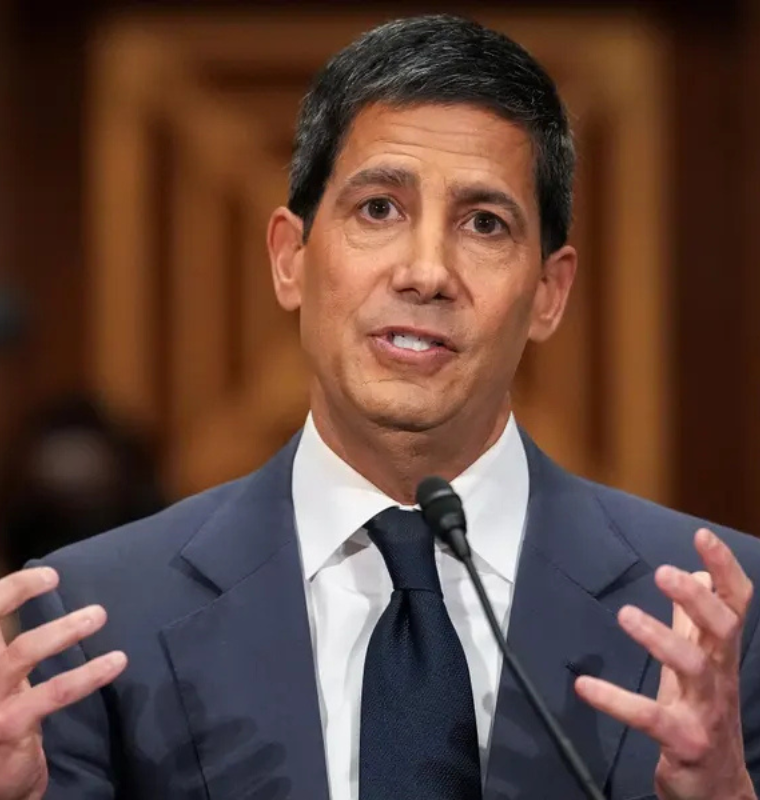
AkademikerPension’s chief investment officer, Anders Schelde, said the move is primarily rooted in concerns over the deteriorating state of U.S. government finances. According to Schelde, decades of structural overspending and rising borrowing costs have significantly weakened the fiscal outlook of the world’s largest economy.
The U.S. federal budget deficit reached approximately $1.78 trillion last year, reflecting persistent gaps between government spending and revenue. While that figure marked a marginal improvement of just over 2 percent compared with the previous fiscal year, total U.S. federal debt now exceeds $34 trillion, a level that continues to alarm long-term institutional investors.
Schelde said the combination of large deficits and elevated interest rates has forced the fund to rethink how it manages liquidity and risk within its portfolio. He added that AkademikerPension has already identified alternative instruments to replace Treasurys in its defensive allocation.
Credit rating downgrade reinforces concerns
Investor unease has been amplified by recent action from credit rating agencies. In May, Moody’s Ratings downgraded the United States’ sovereign credit rating from Aaa to Aa1, citing the expanding budget deficit and the increasing cost of servicing debt as interest rates remain near multi-year highs.
Higher yields mean the U.S. government must refinance maturing debt at significantly greater expense, raising questions about long-term fiscal flexibility. For pension funds with long-duration liabilities, such dynamics can materially alter the risk profile of traditionally “safe” assets like Treasurys.
Schelde said these structural issues made it necessary for AkademikerPension to adjust its exposure, even though U.S. government bonds have historically been viewed as a cornerstone of global financial stability.
Geopolitics add pressure, even if indirectly
While AkademikerPension stressed that the decision was not directly driven by the political dispute between Washington and Copenhagen, the timing underscores how geopolitics can influence investor sentiment.
Tensions have intensified as President Trump renews calls for U.S. control of Greenland, an autonomous territory within the Kingdom of Denmark. Over the weekend, Trump warned that several European countries could face new tariffs beginning at 10 percent in early February, with rates potentially rising to 25 percent by June, if negotiations over Greenland do not move in Washington’s favor.
Schelde acknowledged that the broader political backdrop did not make the decision more difficult. For European investors, the combination of trade threats and fiscal uncertainty has sharpened focus on U.S. risk exposure.
Europe weighs economic countermeasures
European leaders are now reportedly discussing possible counter-tariffs and other economic responses should U.S. measures be implemented. This has fueled speculation that some European institutions could reduce exposure to U.S. assets as part of a broader defensive strategy.
Greenland’s prime minister, Jens-Frederik Nielsen, has said the territory will not yield to pressure and will continue to rely on dialogue, international law, and mutual respect. However, the political standoff has added another layer of uncertainty for markets already grappling with inflation, interest rate volatility, and slowing global growth.
Markets react to “sell America” sentiment
Financial markets have shown visible signs of stress amid the rising tensions. U.S. Treasury yields climbed sharply this week, while equities and the U.S. dollar weakened. Gold surged to new all-time highs, reflecting increased demand for perceived safe-haven assets.
The shift has revived discussion around a broader “sell America” trade, in which global investors reassess their exposure to U.S. stocks, bonds, and the dollar amid political and fiscal uncertainty.
Ray Dalio, founder of Bridgewater Associates, warned that prolonged trade conflicts could eventually spill into capital markets. He said that if global investors begin to see the U.S. as a less reliable trading and political partner, demand for U.S. debt could weaken further.
A signal, not a stampede
AkademikerPension’s exit from U.S. Treasurys is modest in size relative to the overall Treasury market, which exceeds $26 trillion. However, analysts note that such moves carry symbolic weight, particularly when they come from conservative, long-term investors like pension funds.
For now, the decision appears to be a targeted portfolio adjustment rather than a wholesale rejection of U.S. assets. Still, it highlights how fiscal discipline, credit risk, and geopolitics are becoming increasingly intertwined in global investment strategy.
As trade disputes escalate and concerns over sovereign debt mount, investors around the world may begin to reassess assumptions that have underpinned portfolios for decades.
.webp)
Popular articles



Subscribe to unlock premium content
Step Into the Future of Art

London’s Gourmet Playgrounds

The New Frontier of Children’s Entertainment

Step Into the Future of Art
London’s Gourmet Playgrounds
Step Into the Future of Art