Crypto Investors Seek Safety Through Diversification
By
Alina Sinclair
Last updated:
December 22, 2025
First Published:
April 25, 2026

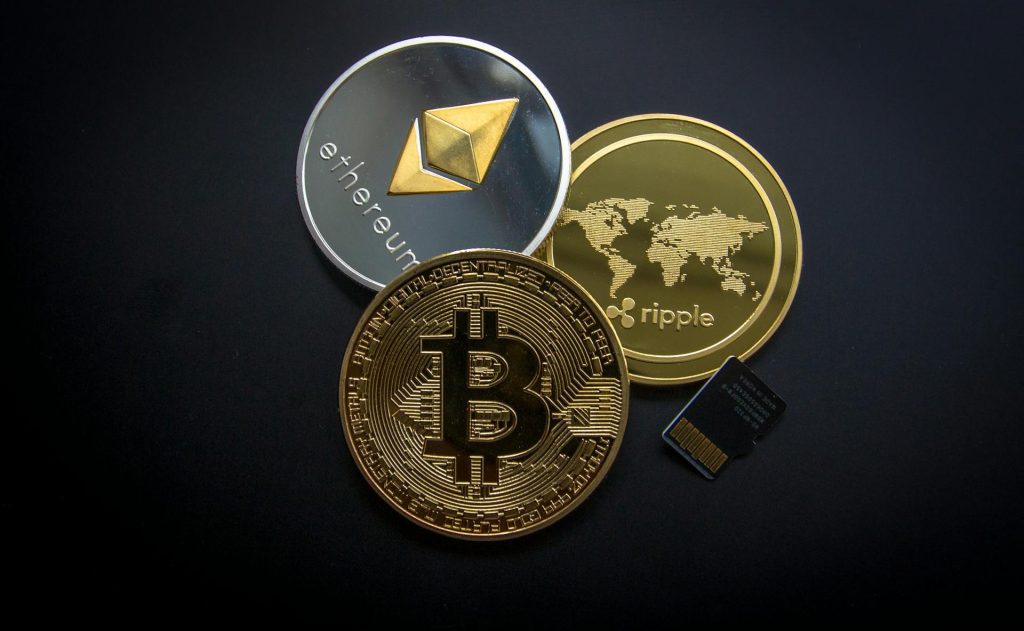
Photo: Due
The cryptocurrency market remains one of the most volatile asset classes in the world, and 2025 has underscored this reality. Bitcoin surged above $125,000 in October before plunging more than $40,000 from its peak, while ether and other altcoins experienced similar swings. For investors navigating this turbulent landscape, portfolio diversification and risk management have become essential strategies.
Understanding Crypto Portfolio Allocation
Proper portfolio sizing is the first step in mitigating risk. Experts caution that while some aggressive advisors suggest crypto allocations as high as 40% of a portfolio, most investors are better served keeping digital assets to a modest portion, typically between 1% and 5%. This allows investors to participate in the upside potential of cryptocurrencies without exposing their portfolios to extreme losses.
David Siemer, CEO of Wave Digital Assets, emphasizes balancing crypto with more stable investments. “Because crypto can either rocket or plunge, it makes sense to lean on value stocks or bonds elsewhere in your portfolio to stabilize overall risk,” he said.
Diversifying Within Cryptocurrency
Diversification doesn’t stop at portfolio allocation—it also applies within the crypto market itself. Bitcoin remains the dominant digital asset, but emerging cryptocurrencies such as ether, solana, XRP, and cardano offer alternative growth opportunities. Zach Pandl, head of research at Grayscale Investments, explains that including multiple crypto assets can improve risk-adjusted returns.
However, investors must recognize that most altcoins remain highly correlated with bitcoin, limiting the diversification effect. Some digital assets behave more like technology stocks than traditional stores of value, meaning they may fluctuate with broader risk-on market trends.
ETFs and Index Funds Offer Safer Exposure
The growth of crypto exchange-traded funds (ETFs) has introduced new avenues for diversification. Since January 2024, 11 spot bitcoin ETFs have launched, attracting billions in institutional inflows. Products like the Grayscale CoinDesk Crypto 5 ETF and the Bitwise 10 Crypto Index ETF allow investors to hold baskets of top digital assets, with automatic rebalancing based on market capitalization.
Index-based ETFs provide a convenient method for capturing broad crypto market trends while limiting exposure to individual asset volatility. New ETFs covering ether, solana, litecoin, and other altcoins continue to expand investor options.
Incorporating Financial Advisors
A crypto-friendly financial advisor can help investors design a diversified portfolio, apply traditional investing strategies, and manage volatility. Randol W. Curtis of Thryve Wealth Management highlights bitcoin as a hedge against U.S. dollar inflation, while other advisors recommend integrating crypto alongside stocks, bonds, and alternative assets to achieve long-term retirement and wealth goals.
Some ETFs now even offer income-oriented features that mimic traditional bonds, including the Simplify Bitcoin Strategy PLUS Income ETF and BlackRock’s planned bitcoin income fund.
Classic Risk Management Strategies
Dollar cost averaging—systematic, regular investments—remains one of the most effective ways to handle crypto volatility. Rebalancing is equally important: if a crypto holding grows beyond its target allocation, selling a portion and redistributing the proceeds into other assets helps maintain a balanced portfolio.
Ivory Johnson, founder of Delancey Wealth Management, notes that failing to rebalance exposes investors to excessive risk: “Bitcoin is no different from tech stocks—treat it like any other asset class, and don’t let unbridled optimism lead to losses.”
Downside Protection Options
For risk-averse investors, principal-protected ETFs or structured notes provide a safety net. Calamos Investments, for example, launched the first downside protection crypto ETF, offering 100%, 90%, or 80% principal protection, though at higher management fees than traditional ETFs. These products allow investors to participate in potential upside while limiting losses during market downturns.
.webp)
Popular articles



Subscribe to unlock premium content
Step Into the Future of Art

London’s Gourmet Playgrounds

The New Frontier of Children’s Entertainment

Step Into the Future of Art
London’s Gourmet Playgrounds
Step Into the Future of Art