Creator Economy Takes Center Stage as Digital Stars Reshape the Future of Television Advertising

Creator Economy Takes Center Stage as Digital Stars Reshape the Future of Television Advertising
By
Leah Rosenfeld
Last updated:
May 19, 2026
First Published:
May 19, 2026

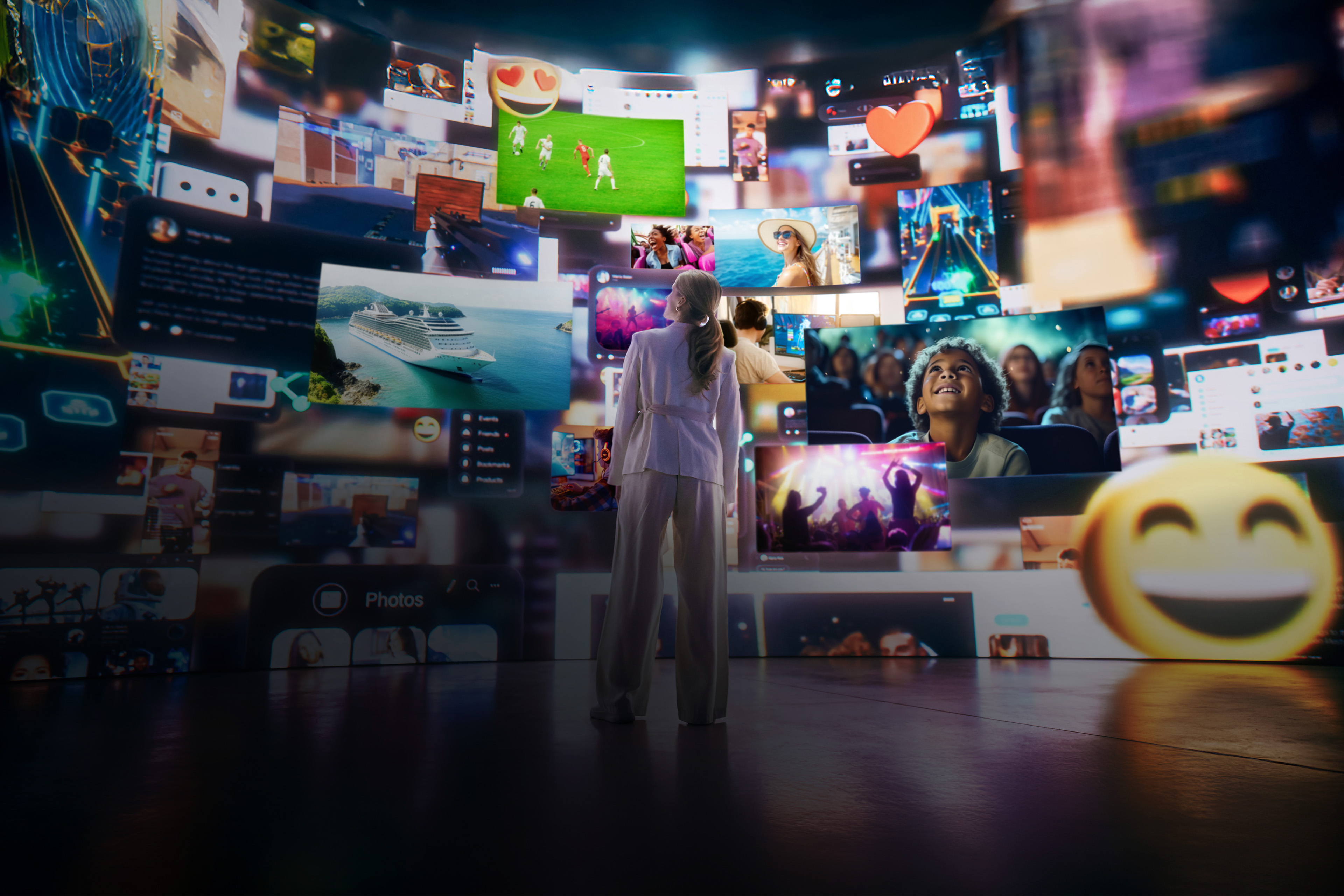
Photo: EY
The media industry is undergoing a major transformation, and this year's advertising presentations made one trend impossible to ignore: creator-led content is no longer living on the sidelines of entertainment. What once existed primarily on platforms like YouTube and social media is now becoming a major pillar of mainstream media strategy.
Across major presentations to advertisers, traditional television companies, streaming services, and digital platforms placed creators at the center of discussions about audience engagement and future growth.
From food personalities and video podcasters to YouTube stars and social media influencers, creator-driven programming has evolved into one of the fastest-growing categories in advertising and entertainment.
The message from media companies was clear: the distinction between internet creators and traditional television stars is rapidly disappearing.
Creator Content Is Capturing Billions in Advertising Spending
Advertising spending linked to creator content has been growing rapidly and is becoming a larger share of overall media budgets.
Industry estimates show that spending on creator-driven content reached approximately:
• $37 billion in 2025
• Projected $44 billion in 2026
That would represent nearly a 19% year-over-year increase.
The growth reflects a larger shift in advertising behavior as brands increasingly prioritize audience engagement rather than relying solely on traditional reach metrics.
Unlike conventional television audiences, creators often develop highly engaged communities with stronger relationships and more direct interaction with viewers.
Advertisers increasingly see value in:
• Higher audience loyalty
• More targeted communities
• Stronger viewer trust
• Increased engagement rates
• Cross-platform distribution opportunities
Many brands now view creators not simply as content producers but as powerful marketing ecosystems.
The Traditional TV Model Is Rapidly Evolving
For decades, television advertising was largely built around blockbuster shows, prime-time entertainment, and live events.
That model is changing.
While live sports and large-scale entertainment programming continue commanding premium advertising rates, media companies are increasingly integrating creator content into broader content strategies.
The rise of streaming has altered how audiences consume media.
Streaming platforms allow advertisers to gain access to:
• More targeted audience data
• Better performance tracking
• Personalized ad experiences
• Younger viewer demographics
• Multi-platform exposure opportunities
This shift has forced traditional media companies to rethink what valuable content looks like.
Content that once existed solely on social platforms is now entering mainstream entertainment discussions.
YouTube Continues Leading the Streaming Battle
Among streaming platforms, YouTube remains one of the largest players in terms of audience engagement and viewing time.
Recent viewing data has shown YouTube maintaining a significant lead in streaming viewership.
Market estimates place platform viewing shares at approximately:
• YouTube: 12.7%
• Netflix: 8.4%
The gap highlights YouTube's growing influence within the broader media ecosystem.
YouTube's strength comes not only from scale but also from its creator-driven model.
The platform has built an ecosystem where creators can establish direct relationships with audiences while producing content across multiple categories such as:
• Gaming
• Sports
• Education
• Food and cooking
• Home improvement
• Podcasts
• Entertainment
This diversity has made YouTube increasingly attractive to advertisers seeking specific consumer groups.
Traditional Media Companies Are Joining the Creator Movement
Perhaps the biggest development this year was not YouTube's focus on creators.
Instead, it was the growing embrace of creator content by traditional media companies.
Large entertainment and media groups increasingly highlighted creator partnerships and digital personalities throughout their presentations.
Companies expanding into creator-led strategies include:
• Warner Bros. Discovery
• Fox Corporation
• Amazon Prime Video
Traditional networks appear to be integrating creators through categories that naturally align with audience interests, particularly:
• Food programming
• Home improvement shows
• Lifestyle content
• Sports content
• Video podcasts
Rather than replacing traditional programming, creator content is increasingly becoming an extension of existing media brands.
Video Podcasts Are Becoming a Major Growth Driver
One of the strongest developments across the media landscape involves the rapid growth of video podcasts.
Podcasting itself has evolved significantly.
What was once primarily audio-focused now increasingly includes:
• Long-form video episodes
• Short-form social clips
• Cross-platform content distribution
• Interactive audience experiences
Media companies are recognizing that audiences now consume content in multiple formats simultaneously.
Viewers might watch a full video episode on one platform while later consuming short highlights across social media.
This approach creates more opportunities for both creators and advertisers.
Food and Lifestyle Content Are Emerging as Major Entry Points
Several traditional media companies are finding success by combining established television brands with creator culture.
Food and lifestyle content in particular have become natural areas for collaboration.
Television networks and streaming platforms increasingly see creators as a way to expand audience reach while keeping content highly relatable.
Examples of creator-focused categories gaining momentum include:
• Cooking series
• Home renovation content
• Family-focused programming
• Sports discussions
• Personality-driven entertainment
The strategy allows networks to tap into audiences already following creators online while introducing those audiences to broader content ecosystems.
Why Advertisers Are Chasing Younger Audiences
One major factor driving the creator economy's expansion is changing audience behavior among younger viewers.
Gen Z and younger millennial audiences increasingly consume content differently than previous generations.
Many younger consumers spend more time with:
• Streaming platforms
• Social video platforms
• Video podcasts
• Mobile-first content experiences
Traditional television viewing habits have steadily changed, making creators an attractive path for advertisers trying to reach harder-to-capture audiences.
Creators often maintain highly engaged communities where viewers feel a personal connection to content and personalities.
That relationship can create stronger brand impact than traditional advertising placements alone.
The Bigger Picture for the Media Industry
The evolution taking place across television and streaming highlights a much larger industry shift.
Media companies are moving away from a model built entirely around studios and networks and toward a more flexible ecosystem centered around audience behavior.
The lines separating Hollywood productions, YouTube creators, influencers, and podcast personalities continue to blur.
Creator content is no longer viewed as an alternative category.
It is increasingly becoming part of the foundation of how entertainment companies attract audiences, generate advertising revenue, and compete in the next era of media.
.webp)
Popular articles



Subscribe to unlock premium content
The $60 Million Market for Ultra-Exclusive Executive Pop-Up Experiences

Adrenaline Meets Prestige

Pampered Paws and Plush Palaces

The $60 Million Market for Ultra-Exclusive Executive Pop-Up Experiences
Adrenaline Meets Prestige
The $60 Million Market for Ultra-Exclusive Executive Pop-Up Experiences