Congress Tightens Ethics Rules on Trading Platforms: Moulton Restricts Staff from Prediction Markets

Congress Tightens Ethics Rules on Trading Platforms: Moulton Restricts Staff from Prediction Markets
By
David Goldfarb
Last updated:
March 27, 2026
First Published:
March 27, 2026

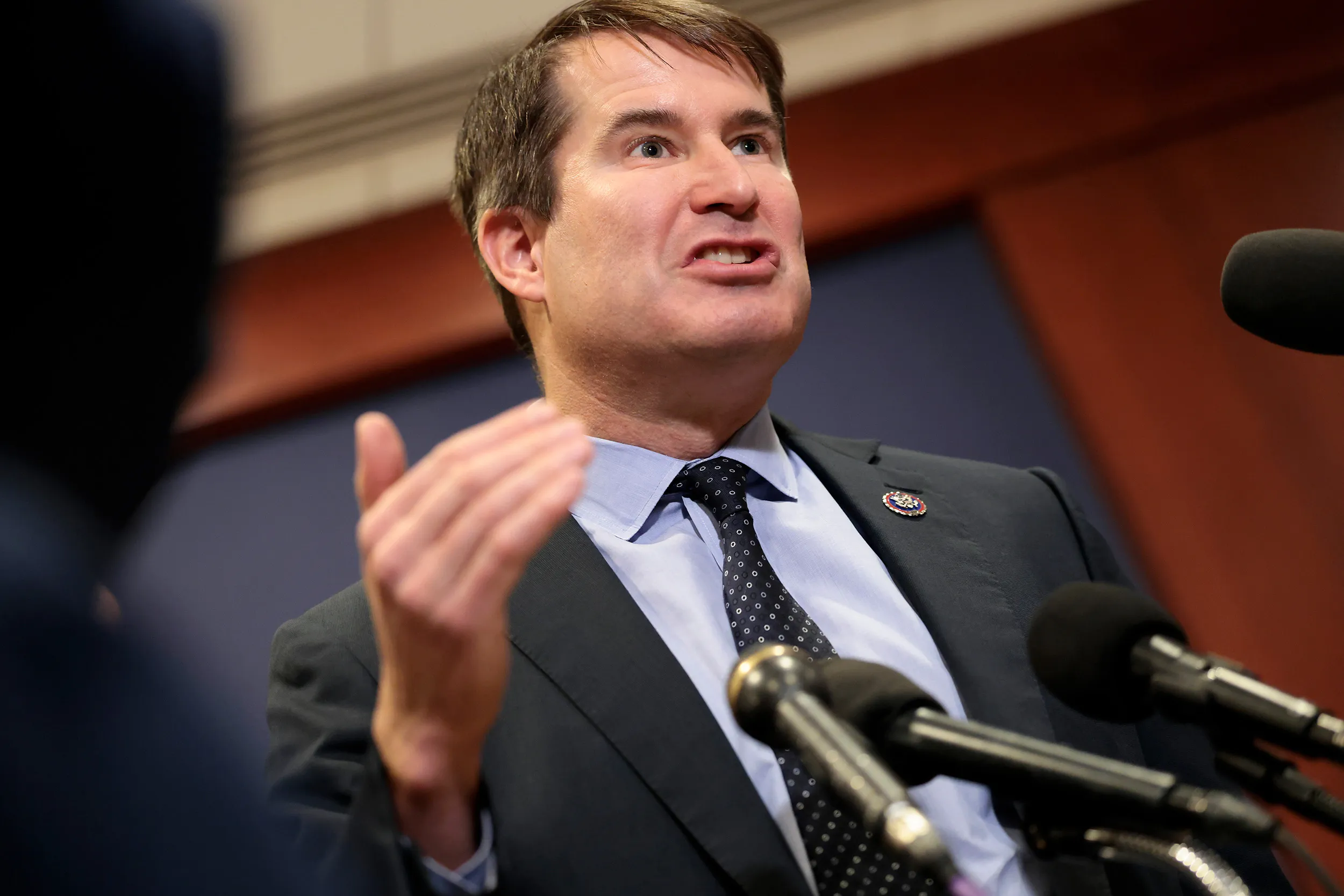
Photo: MS Now
Massachusetts Democratic Rep. Seth Moulton has taken a bold step to tighten ethical standards in his congressional office by issuing a complete ban on his staff’s use of prediction market trading platforms. Effective immediately, all legislative aides, communications staff, district office personnel, and administrative employees are prohibited from engaging in trading or placing wagers on event‑based markets including popular platforms such as Kalshi and Polymarket. This office‑wide directive, announced on Wednesday evening, is believed to be the first policy of its kind enacted by a member of Congress.
Moulton’s decision comes amid escalating scrutiny of prediction markets that let users place contracts or “bets” on future outcomes ranging from political elections and wars to economic indicators and global events. These markets have seen explosive growth, with weekly trading volumes soaring into the billions of dollars as retail and institutional traders alike seek to profit from anticipated outcomes. But the rapid rise of these platforms has also drawn criticism from lawmakers, regulators, and ethics experts wary of potential misuse by people with access to non‑public information.
In public statements, Moulton emphasized that congressional staff should serve their constituents, not exploit sensitive information for profit. He described prediction markets as creating “perverse incentive structures” that could tempt users with advanced knowledge — including those working in government — to trade on insider or confidential insights. By banning his staff from participating, Moulton aims to reinforce ethical boundaries and restore public confidence in the integrity of legislative work.
The policy arrives at a time when federal legislators are moving to regulate these platforms more strictly. A bipartisan group of lawmakers has introduced bills that would bar senior officials and political appointees from engaging in prediction market trading on events tied to political, legislative, or geopolitical outcomes. This follows high‑profile incidents in recent months where traders reportedly made significant profits on markets tied to major developments, such as bets on cease‑fires or the timing of international crises, raising suspicions of insider access to privileged information.
Prediction market companies themselves have been responding to the backlash. Several platforms have recently announced new insider‑trading protections, including restrictions on politicians, athletes, and officials trading on events they might influence. Kalshi, for example, has voluntarily tightened user eligibility and collaborated with third‑party compliance partners to screen for suspicious behavior. Polymarket, though decentralised and operating with more anonymity, has also updated its rules to prohibit trades based on stolen or illegal information, in an effort to maintain credibility and stave off legal challenges.
Despite these corporate compliance efforts, critics argue that the lines between legitimate market forecasting, gambling, and unethical insider trading remain blurred. Federal regulators such as the Commodity Futures Trading Commission (CFTC) oversee these markets as legal financial exchanges, yet states and legal authorities are pursuing lawsuits against some operators, claiming unlicensed gambling activity. With billions of dollars in wagers circulating and new legislation pending in Congress, the debate over how to balance innovation with ethical safeguards is intensifying.
Moulton’s internal ban signals that at least one lawmaker believes existing rules are insufficient. By prohibiting all staff from trading on prediction markets tied to real‑world events, he is elevating ethical considerations ahead of technological growth — a stance that could prompt other members of Congress to adopt similar policies and fuel further regulatory action in this rapidly expanding sector.
.webp)
Popular articles



Subscribe to unlock premium content
Soaring Above Luxury

A Taste of Italy Redefined

Designing the World, One Market at a Time

Soaring Above Luxury
A Taste of Italy Redefined
Soaring Above Luxury