Common — The Startup Redefining Urban Living for Professionals

Common — The Startup Redefining Urban Living for Professionals
By
Rachel Steinberg
Last updated:
March 20, 2026
First Published:
April 25, 2026

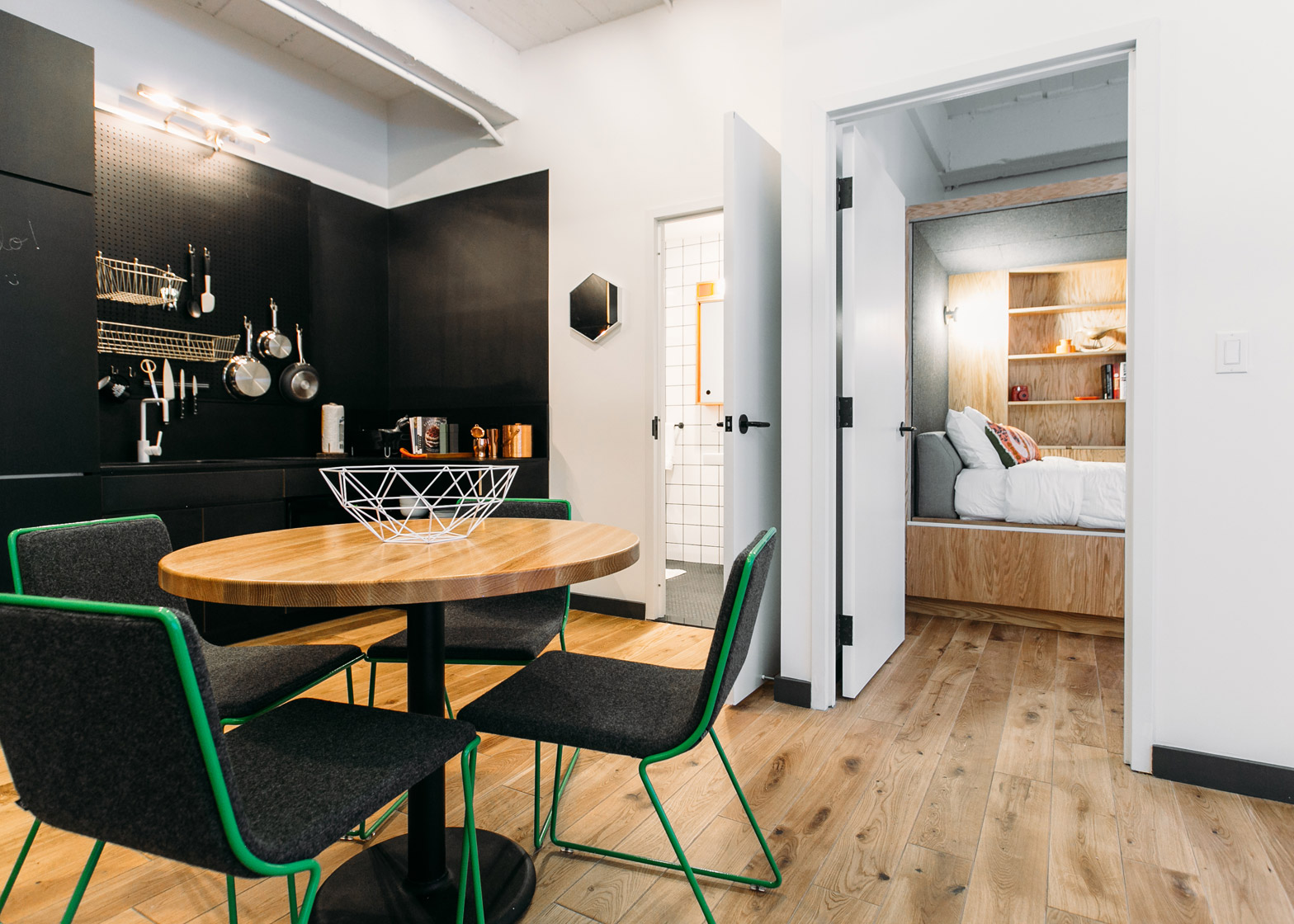
Common – Co-Living Made Simple
Founded in 2015, Common is a New York-based startup that provides fully managed co-living spaces for urban professionals. The company offers flexible leases, shared amenities, and curated community experiences designed to simplify city living.
Common’s mission is to make urban housing more accessible, social, and convenient, addressing the challenges of high rents, isolation, and complex lease processes in major cities across the U.S.
Founding Story
Common was founded by Brad Hargreaves, an entrepreneur with a background in urban development and technology.
Seeing the rising cost of city living and the difficulty of finding flexible, affordable housing, Hargreaves envisioned a solution that combined convenience, design, and community. He wanted co-living to be more than shared bedrooms—it would be a lifestyle with social spaces, events, and modern services included.
Starting with a single property in Brooklyn, New York, Hargreaves focused on creating a streamlined living experience supported by tech-enabled management and customer service.
Funding and Growth Milestones
Common’s growth has been fueled by venture funding and rapid city expansion:
- 2015: Launched first co-living property in Brooklyn with 50 residents.
- 2016: Raised $10 million in Series A funding to expand to other U.S. cities.
- 2018: Series B funding of $40 million enabled growth to 10+ cities, including Chicago, San Francisco, and Los Angeles.
- 2020: Reached 1,500+ residents across 20+ properties, even adapting operations during the pandemic with safety protocols.
- 2021: Raised $65 million Series C funding to scale operations and develop tech-enabled property management tools.
- 2023: Expanded to 10,000+ residents in over 50 properties across the U.S., becoming one of the leading co-living platforms.
Common has become a recognized brand in urban housing and community-focused living.
Business Model and Technology
Common combines property management with technology and community engagement:
- Co-Living Spaces: Fully furnished apartments with flexible leases, shared kitchens, and social areas.
- Tech Platform: App-based management for rent payments, maintenance requests, and community events.
- Revenue Streams: Monthly rent payments, service fees, and premium community offerings.
- B2C Focus: Targets young professionals, remote workers, and city residents seeking flexibility.
- Community Engagement: Curates social events and networking opportunities to build resident connections.
By blending technology with design and community, Common makes urban living easier, more social, and adaptable.
Market Impact
Common has changed how people think about city living:
- Flexible Housing: Offers short-term leases and hassle-free move-ins, ideal for mobile professionals.
- Community Building: Social events and shared spaces foster networking and reduce isolation.
- Urban Accessibility: Helps residents afford city living without compromising on amenities.
- Industry Influence: Inspired other co-living startups like Quarters and Ollie to enter the U.S. market.
Common demonstrates that housing can be both a service and a lifestyle.
Challenges and Controversies
Common faces typical urban housing startup challenges:
- Regulatory Compliance: Navigating city housing laws and zoning restrictions.
- Pandemic Impact: Co-living faced temporary slowdowns due to social distancing requirements.
- Competition: Competing with traditional rentals, Airbnb, and other co-living startups.
- Operational Costs: Property maintenance, staffing, and tech development require significant resources.
Hargreaves addressed these by investing in legal compliance, health and safety protocols, and technology for efficient operations.
Future Outlook
Common continues to innovate in urban co-living:
- Global Expansion: Exploring opportunities in international cities with high urban density.
- Technology Integration: Smart apartment solutions, automated management, and resident apps.
- Sustainability Initiatives: Eco-friendly buildings, energy efficiency, and waste reduction programs.
- Community Innovation: Expanding virtual events, wellness programs, and professional networking opportunities.
Common shows that co-living can combine affordability, design, and community while scaling into a sustainable business.
From a single Brooklyn property to a national network of co-living communities, Common illustrates the power of innovative urban entrepreneurship. Brad Hargreaves created a model that makes city living simpler, social, and more affordable, redefining how young professionals experience urban life. Common’s story proves that housing, when paired with technology and thoughtful community design, can become a scalable and impactful startup.
.webp)
Popular articles



Subscribe to unlock premium content
Beyoncé’s Wellness Retreats Redefine Luxury Lifestyle

Skiing Above the Skyline

ED by Ellen Redefines Celebrity Media

Beyoncé’s Wellness Retreats Redefine Luxury Lifestyle
Skiing Above the Skyline
Beyoncé’s Wellness Retreats Redefine Luxury Lifestyle