Civil Rights Group Takes on xAI Over Data Center Emissions in Tennessee

Civil Rights Group Takes on xAI Over Data Center Emissions in Tennessee
By
Rachel Steinberg
Last updated:
April 15, 2026
First Published:
April 15, 2026

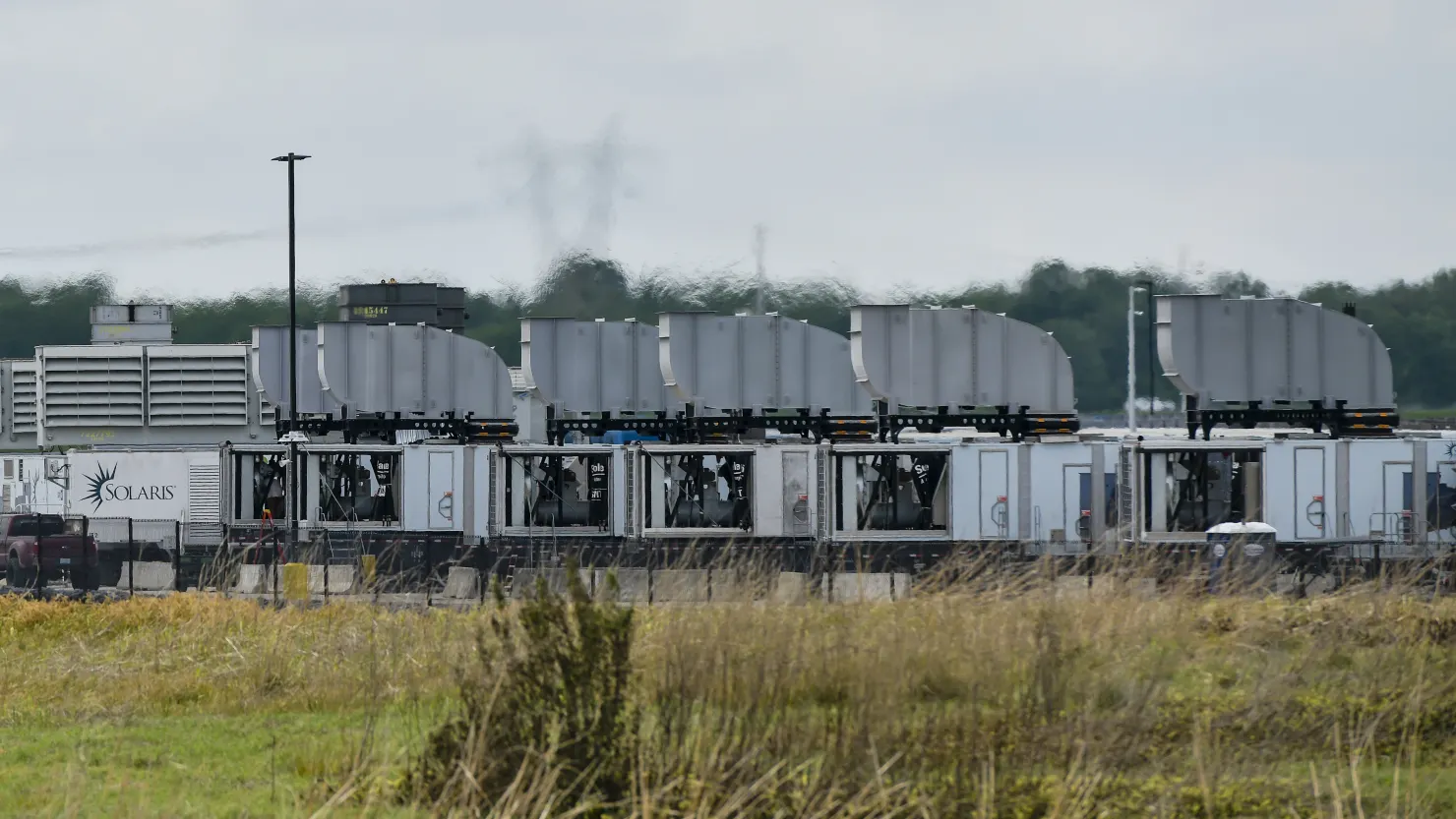
Gas turbines are visible at an xAI data center on Riverport Rd in Memphis, TN on April 25, 2025.
Brandon Dill | The Washington Post | Getty Images
Legal Battle Emerges Over AI Infrastructure Expansion
A major legal challenge is unfolding as the NAACP has filed a lawsuit against xAI, the AI venture founded by Elon Musk, accusing the company of violating federal environmental laws. The case centers on alleged breaches of the Clean Air Act tied to the operation of natural gas-powered turbines used to support energy-intensive data centers in the Memphis region.
Filed in federal court in Mississippi, the lawsuit claims that xAI and its subsidiary installed and operated dozens of turbines without securing proper air permits, raising serious concerns about regulatory compliance and public health.
Allegations of Unauthorized Turbine Operations
According to the complaint, xAI deployed approximately 27 natural gas-burning turbines between August and December 2025 at a facility in Southaven, Mississippi. The NAACP argues that these turbines were installed and operated without the required environmental permits, bypassing safeguards designed to limit harmful emissions.
These turbines are used to generate power for nearby AI data centers, which require massive and continuous electricity to train and run advanced machine learning models. However, critics argue that the rapid deployment of such infrastructure has outpaced regulatory oversight.
The lawsuit claims that emissions from these turbines include nitrogen oxides and fine particulate matter, both of which are known to contribute to smog formation, respiratory illness, and long-term health risks.
Health and Environmental Concerns Intensify
The legal filing highlights the potential impact on local communities, noting that tens of thousands of residents live in close proximity to the facilities, with hundreds of thousands more in the greater Memphis metropolitan area.
Particular attention is drawn to the demographic composition of the affected population. The lawsuit emphasizes that a disproportionately high percentage of nearby residents are Black, raising concerns about environmental justice and the unequal distribution of pollution risks.
Community groups and environmental advocates have been protesting the project for over a year, citing concerns about air quality, noise, and long-term health implications.
Expansion Plans Add Fuel to the Controversy
The dispute comes as xAI accelerates its infrastructure buildout to compete in the rapidly growing artificial intelligence sector against major players like OpenAI, Anthropic, and Google.
The company currently operates two major data centers, Colossus 1 and Colossus 2, in Memphis. It is also developing a large-scale power facility in Southaven, which is expected to include up to 41 permanent natural gas turbines. Additionally, plans for another data center project, reportedly named Macrohardrr, are underway.
These developments are part of a broader strategy to scale computing power rapidly in response to surging global demand for AI services, including large language models and generative AI platforms.
Regulatory Scrutiny and Legal Demands
The NAACP is seeking both declaratory and injunctive relief. Specifically, it is asking the court to order xAI to halt operations at the gas-powered facility until proper permits are obtained and pollution controls are implemented. The organization is also pushing for civil penalties tied to each day of alleged non-compliance.
Separately, the group has called on Mississippi regulators to revoke a permit granted earlier this year that allowed the company to proceed with its large-scale power plant development.
xAI has previously argued that the turbines were intended for temporary use and therefore did not require federal permits. However, critics contend that the scale and duration of their operation contradict that claim.
Broader Challenges Facing xAI
The lawsuit adds to a growing list of challenges facing xAI as it expands aggressively. The company has already attracted regulatory attention in multiple regions, including Europe and the United Kingdom, over concerns related to AI-generated content and platform safety.
Earlier this year, SpaceX acquired xAI in a deal valuing the combined entity at approximately $1.25 trillion, positioning it as one of the most valuable technology ventures globally. The merger is widely seen as part of a broader strategy to integrate AI capabilities across Musk’s business ecosystem.
With expectations of a potential record-breaking IPO in the near future, the outcome of this lawsuit could carry significant implications for investor sentiment, regulatory compliance, and the company’s long-term expansion strategy.
A Collision Between AI Growth and Environmental Accountability
The case underscores a growing tension between the rapid expansion of AI infrastructure and the regulatory frameworks designed to protect public health and the environment. Data centers are becoming some of the most energy-intensive assets in the modern economy, often requiring dedicated power solutions that can strain local resources.
As demand for artificial intelligence continues to surge, similar conflicts are likely to emerge across other regions, forcing policymakers, companies, and communities to confront difficult questions about sustainability, oversight, and equitable development.
For xAI, the lawsuit represents more than a legal hurdle. It is a test of how far the AI industry can push the boundaries of growth while remaining accountable to the communities it operates within.
.webp)
Popular articles



Subscribe to unlock premium content
Namibia Is Quietly Building the Future of Ultra Remote Eco Luxury
.png)
Colombia’s Coffee Regions Are Becoming Luxury Travel Destinations Hidden in the Highlands

Chile’s Desert Skies Are Becoming the World’s Most Exclusive Destination

Namibia Is Quietly Building the Future of Ultra Remote Eco Luxury
Colombia’s Coffee Regions Are Becoming Luxury Travel Destinations Hidden in the Highlands
Namibia Is Quietly Building the Future of Ultra Remote Eco Luxury