China’s Trade Momentum Stumbles as Export Growth Misses Forecasts and Imports Surge Sharply

China’s Trade Momentum Stumbles as Export Growth Misses Forecasts and Imports Surge Sharply
By
Alina Sinclair
Last updated:
April 14, 2026
First Published:
April 25, 2026

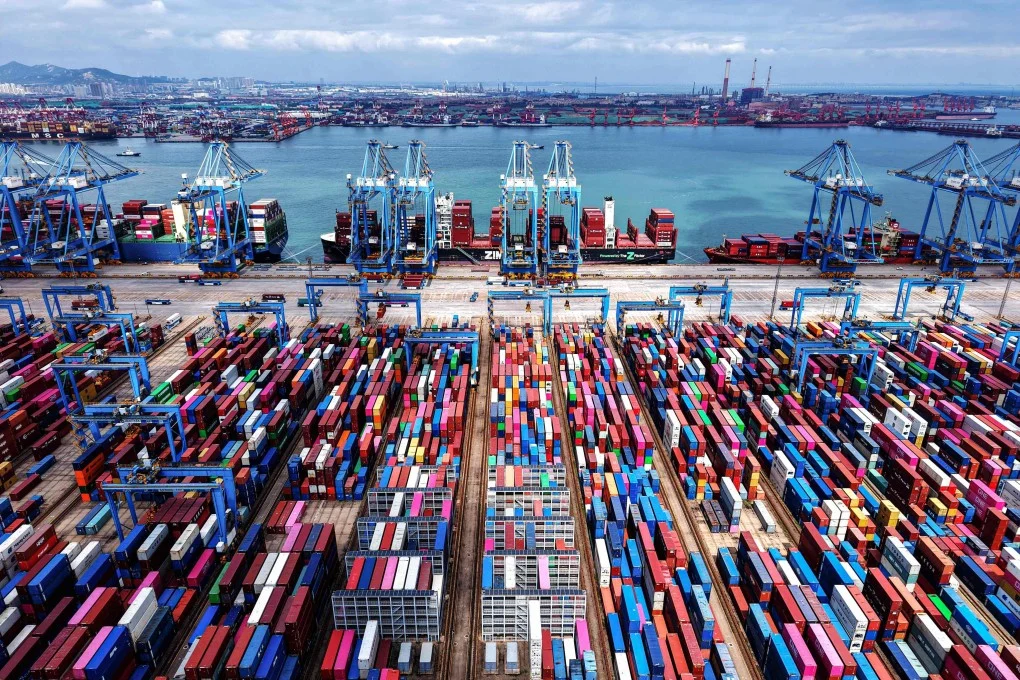
Photo: South China Morning Post
Export Growth Slows Amid Global Uncertainty
China’s export engine showed clear signs of cooling in March, with outbound shipments rising just 2.5% year-on-year in U.S. dollar terms. This marked a sharp slowdown from the strong 21.8% growth recorded across January and February combined, and fell significantly short of market expectations of 8.6%.
The decline pushed export growth to its lowest level in six months, reflecting mounting pressure from a fragile global economic environment. Ongoing geopolitical tensions in the Middle East, combined with tighter financial conditions across major economies, have weakened external demand for Chinese goods.
As a result, sectors heavily dependent on international markets, including electronics, machinery, and consumer goods, are beginning to feel the strain of reduced order volumes and cautious global spending.
Imports Surge to Multi-Year High
In contrast, imports surged by an impressive 27.8% in March compared to a year earlier, far exceeding expectations of 11.2%. This marks the fastest pace of import growth since November 2021 and a significant jump from the 19.8% increase seen in the first two months of the year.
This sharp rise was driven by a combination of factors, including increased domestic restocking, higher commodity prices, and strategic purchases of critical resources. China’s import behavior often fluctuates early in the year due to the Lunar New Year calendar effect, which is why January and February data are typically combined. However, even accounting for seasonality, March’s surge signals strong internal demand and supply chain adjustments.
Key import categories showed notable movement. Rare earth imports more than tripled in value, highlighting efforts to secure critical materials, while soybean imports rose by around 20% in volume. These trends point toward both industrial demand recovery and efforts to stabilize food and resource security.
Trade Surplus Narrows Under Pressure
China’s overall trade surplus narrowed as imports outpaced exports. By the end of March, the surplus stood at $264.3 billion, down 3% compared to the same period last year.
This contraction reflects the growing difficulty China faces in passing rising input and energy costs onto global buyers. As production costs climb, exporters are absorbing more pressure on margins, reducing the overall surplus despite continued positive trade balances.
Trade with key partners also showed divergence. Exports to the United States dropped sharply by 26.5% year-on-year, continuing a trend of declining trade flows amid prolonged tensions. Meanwhile, imports from the U.S. saw only a modest 1% increase. Trade activity with the Middle East also declined after two months of growth, reflecting disruptions linked to regional instability.
Energy Market Volatility and Strategic Buffers
One of the defining factors shaping China’s trade dynamics is the volatility in global energy markets. Fluctuating oil prices, driven by geopolitical risks and supply concerns, have created a complex operating environment for importers and exporters alike.
China has managed to cushion much of this impact through strategic measures. The country maintains substantial oil reserves, with stockpiles and shipments in transit covering more than 120 days of net imports. Additionally, its diversified energy mix and reliance on coal provide a buffer against external shocks.
Despite these safeguards, energy-related imports showed mixed trends. Crude oil imports declined by approximately 2.8% in volume and 4.4% in value terms, while natural gas imports dropped 10.6% year-on-year to 8.18 million tons, the lowest level since late 2022.
These declines suggest a combination of inventory adjustments, price sensitivity, and shifting energy consumption patterns within the domestic economy.
Rising Costs and Margin Pressures
Higher commodity and energy prices are beginning to filter through to China’s industrial sector. Factory-gate prices rose by 0.5% in March, marking the first increase in over three years. This indicates that upstream cost pressures are building, even as global demand softens.
However, consumer inflation remains subdued. The consumer price index increased by just 1% year-on-year, highlighting weak domestic consumption and cautious household spending. This divergence between producer and consumer prices suggests that businesses are struggling to pass on higher costs, squeezing profit margins across manufacturing sectors.
Economic Outlook and Growth Expectations
China’s economy remains heavily reliant on trade, with net exports contributing roughly one-third of overall growth last year. While the country’s manufacturing scale and efficiency provide some insulation, the broader outlook remains uncertain.
Analysts expect China’s first-quarter GDP to grow by around 4.8%, a modest improvement from the 4.5% recorded in the final quarter of 2025. However, sustaining this momentum will depend on stabilizing external demand, managing input costs, and boosting domestic consumption.
The combination of slowing exports, surging imports, and tightening margins presents a complex economic landscape. While China has demonstrated resilience through strategic planning and resource management, ongoing geopolitical risks and global economic headwinds will continue to shape its trade trajectory in the months ahead.
.webp)
Popular articles



Subscribe to unlock premium content
Beyoncé’s Wellness Retreats Redefine Luxury Lifestyle

Skiing Above the Skyline

ED by Ellen Redefines Celebrity Media

Beyoncé’s Wellness Retreats Redefine Luxury Lifestyle
Skiing Above the Skyline
Beyoncé’s Wellness Retreats Redefine Luxury Lifestyle