China’s Singles’ Day Growth Slows as Cautious Consumers Reshape the World’s Largest Shopping Festival

China’s Singles’ Day Growth Slows as Cautious Consumers Reshape the World’s Largest Shopping Festival
By
Calder Monroe
Last updated:
November 14, 2025
First Published:
November 30, 2025

Getty Images
A Record Sales Figure That Still Signals Caution
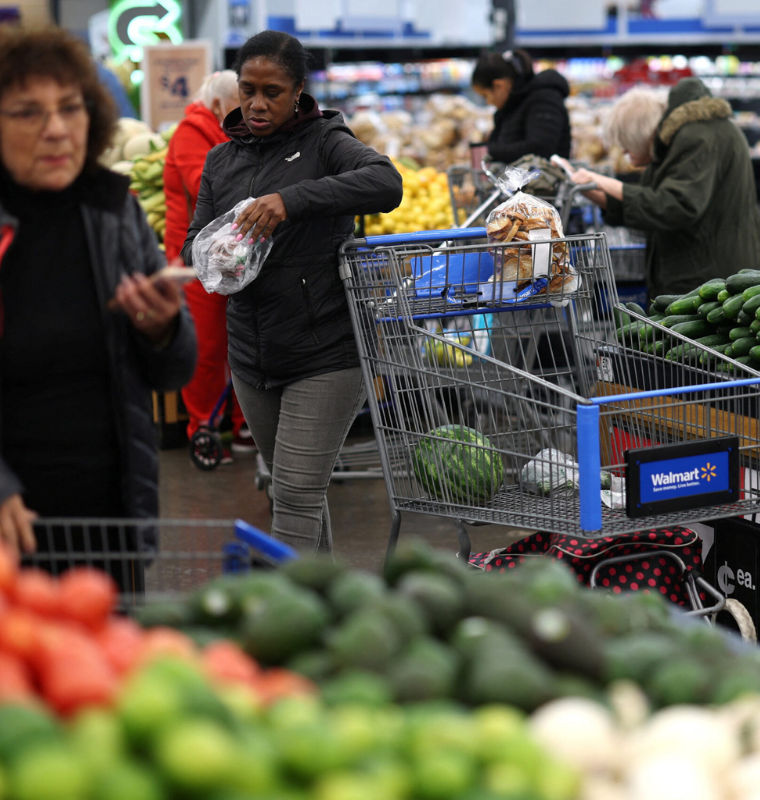
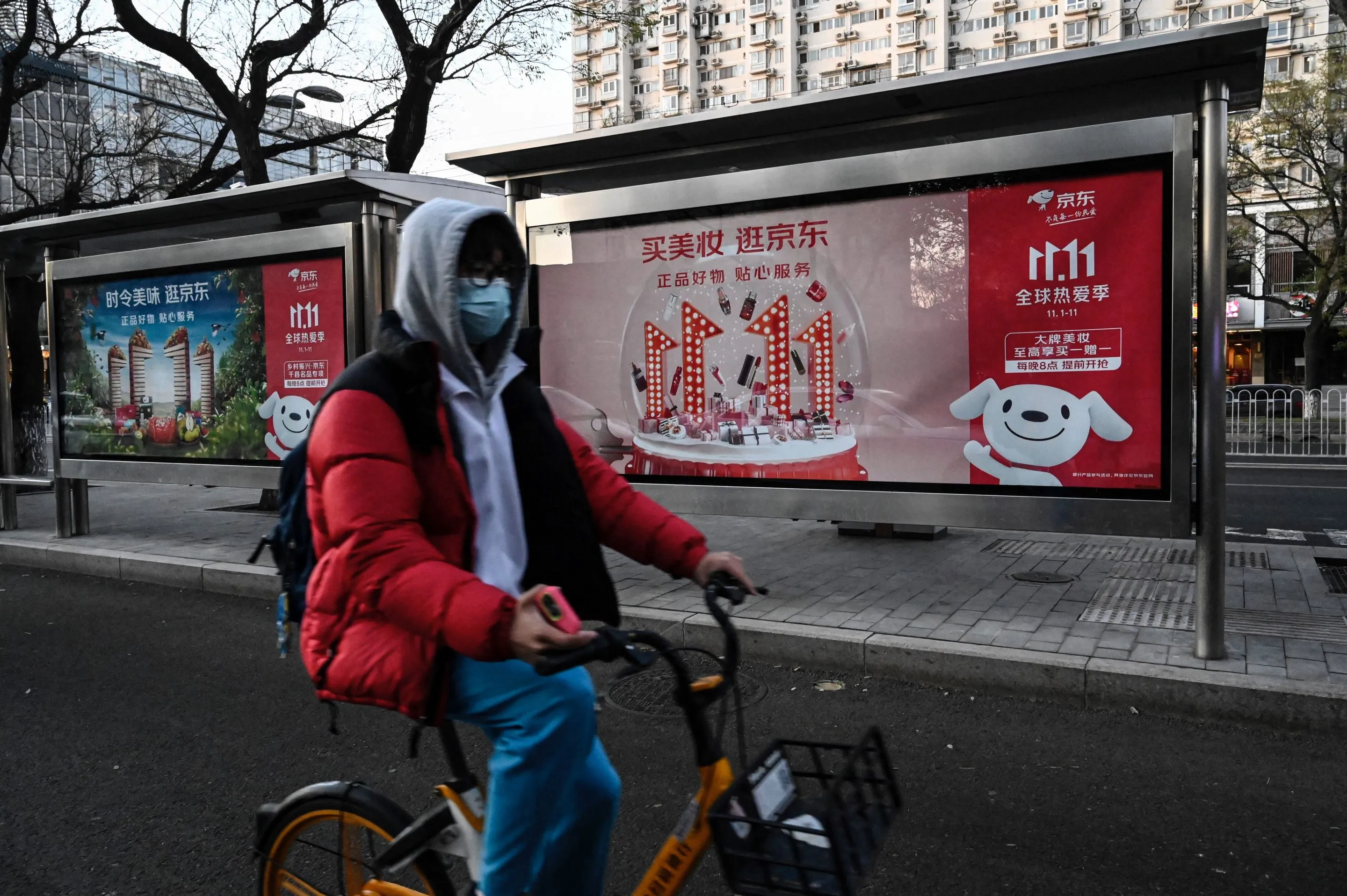
China’s Singles’ Day — the world’s largest shopping festival, far surpassing U.S. Black Friday in scale — delivered another massive sales haul this year. Yet beneath the headline figure, the data paints a picture of increasingly cautious consumers and a retail market undergoing significant transformation.
According to preliminary figures from Chinese research firm Syntun, sales across e-commerce platforms reached 1.695 trillion yuan (about $238 billion), up 14.2% year on year. While the total number is enormous, the growth rate slowed sharply compared to 26.6% growth in 2024, reinforcing broader concerns about weakening consumer confidence amid China’s sluggish economic recovery.
Syntun noted that shoppers were becoming “more rational and willing to pay for real value,” signaling a shift toward practical purchases rather than impulsive spending. Analysts say this trend has been building for more than a year, driven by softer wage growth, high youth unemployment, and muted sentiment across major urban centers.
A Shopping Event Losing Its Shine
Singles’ Day, also known as Double 11, has long been considered a barometer of consumer appetite in China. However, the event has been evolving in recent years as economic pressures reshape spending behavior.
E-commerce giants have extended promotional windows, introduced new discount models, and strategically avoided disclosing gross merchandise volume — once the key metric used to demonstrate dominance. Alibaba stopped reporting GMV in 2022, and JD.com has followed suit, shifting focus toward “healthy growth” and customer loyalty.
While China’s leadership has pledged to boost consumption, policy support has largely focused on targeted subsidies for electronics and appliances rather than broader stimulus. Analysts expect China’s October retail sales to grow 2.8% year on year, down from 3% in September, according to a Reuters poll — another sign that shoppers remain selective.
Jacob Cooke, CEO of WPIC Marketing + Technologies, which assists global brands in China, estimates that overall Singles’ Day sales growth this year will fall into the “high-single to low-double digits,” well below the boom years of the 2010s.
Still, more than ten flagship online stores saw orders at least 30% above expectations, highlighting strong performance for brands with loyal customer bases and competitive pricing.
AI and Early Promotions Drive Platform Momentum
Artificial intelligence played a major role in this year’s sales execution. Platforms such as JD.com used AI to optimize logistics, forecasting, and supply chains, enabling faster deliveries and more personalized recommendations.
JD.com reported a record transaction value for this year’s Singles’ Day but did not disclose specific figures. The platform saw nearly 60% growth in orders and a 40% rise in users placing purchases. JD kicked off its campaign on October 9, several days earlier than last year, positioning itself to capture demand before competing platforms launched full promotions.
Alibaba began its Singles’ Day promotions on October 15 and will continue through November 14, extending the event far beyond the traditional November 11 peak.
Together with TikTok Shop, Alibaba and JD.com generated 67 billion yuan in instant retail sales, a 138.4% surge year on year — reflecting the growing popularity of hyperlocal delivery services.
In contrast, community group-buying — once a booming trend during the pandemic — fell sharply. Sales totaled 9 billion yuan, a 35.3% decline, suggesting consumers are shifting away from neighborhood bulk-buy models.
Electronics brand Xiaomi reported 29 billion yuan in sales across online and offline channels during the Singles’ Day period, slightly below last year’s 31.9 billion yuan, reflecting weaker discretionary spending in the tech category.
Home Appliances Lead the Pack as Practical Purchases Surge
Across major product categories, Syntun’s data showed shifting priorities among Chinese consumers:
- Home appliances: 266.8 billion yuan (16.5% of total sales)
- Mobile phones and digital devices: 14.6% share
- Apparel: 14% share
The surge in home appliances reflects demand driven by targeted government subsidies, improved energy-efficiency models, and replacement cycles for aging household electronics.
Xiaomi, Haier, Midea, and Lenovo all reported strong performance in large kitchen appliances, air-conditioning units, and smart home devices — categories typically favored during periods of value-conscious shopping.
Changing Consumer Patterns Shape the Next Retail Cycle
Singles’ Day trends often set the tone for China’s fourth-quarter retail outlook, helping brands plan inventory, marketing, and pricing strategies for the upcoming year.
This year’s results reveal a highly segmented market:
- Mother and baby products underperformed, generating 61.1 billion yuan in sales — a reflection of China’s declining birth rates and cautious spending among young parents.
- Pet food and supplies continued to grow steadily, reaching 9.4 billion yuan across Alibaba, JD.com, TikTok Shop, and Kuaishou.
- Adult hobby toys, which surged in popularity during last year’s boom, are moderating as consumer interest stabilizes.
Syntun’s report also noted a preference for brands aligned with values such as sustainability, health, and transparency — trends mirrored across global markets.
A Festival in Transition
China’s Singles’ Day remains the world’s largest retail event, but its evolution reflects deeper shifts in the country’s economy. Consumers are more cautious, brands are more strategic, and platforms are increasingly reliant on AI and earlier promotions to drive engagement.
While the event continues to generate extraordinary sales volume, the slower growth rate reveals a new era for China’s retail sector — one defined by rational purchasing, value-driven decisions, and the steady return of long-term consumption discipline.

Popular articles


Subscribe to unlock premium content
London’s Gourmet Playgrounds
From Bean to Buzz in Thailand
The Secret Life of Pop-Up Luxury Restaurants in Paris
London’s Gourmet Playgrounds
From Bean to Buzz in Thailand
London’s Gourmet Playgrounds