China’s Growth Outlook Brightens as World Bank Lifts 2025 Forecast to 4.8%

China’s Growth Outlook Brightens as World Bank Lifts 2025 Forecast to 4.8%
By
Leah Rosenfeld
Last updated:
October 8, 2025
First Published:
November 30, 2025

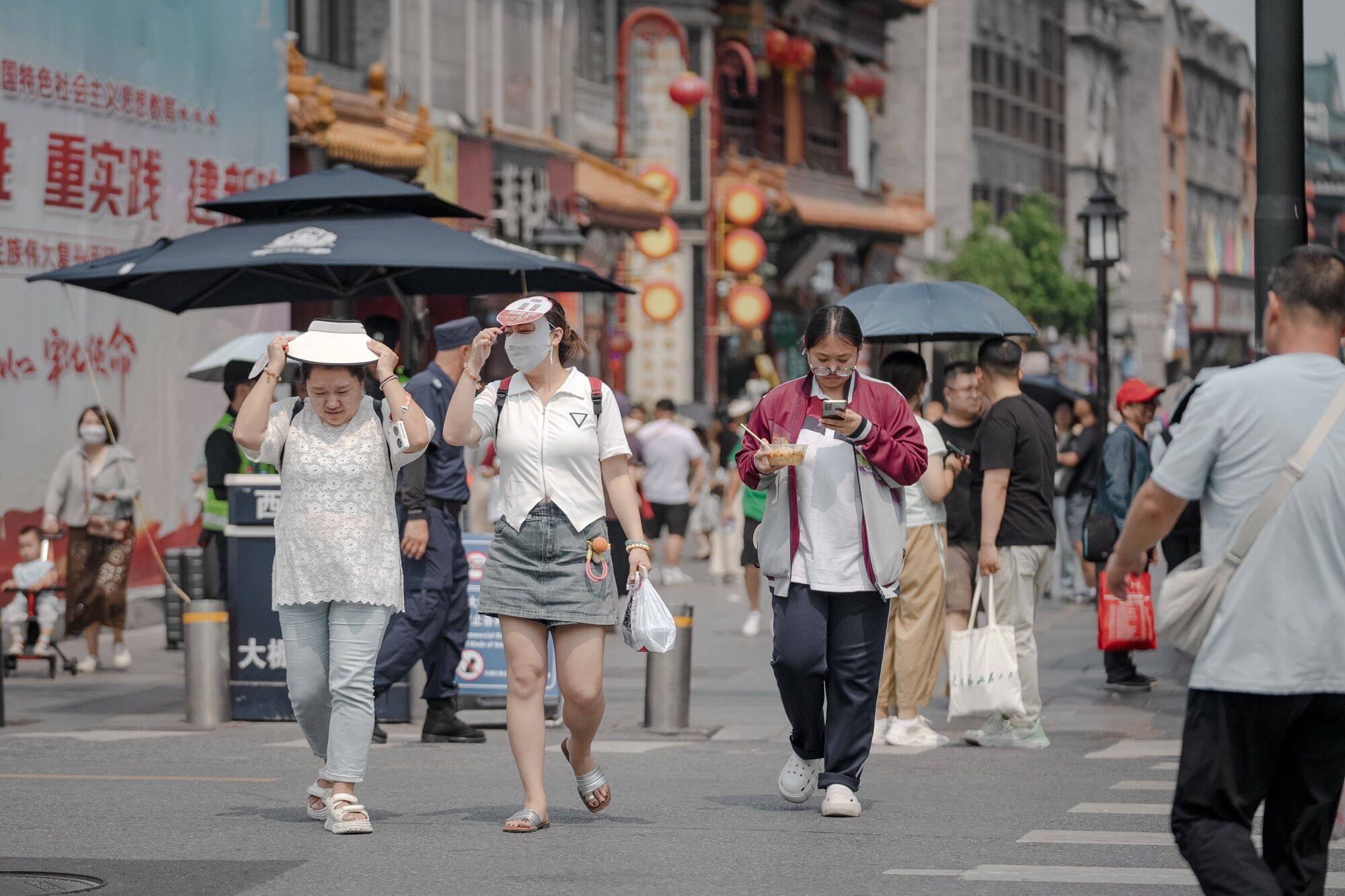
Photo: South China Morning Post
The World Bank has raised its growth forecast for China’s economy in 2025 to 4.8%, up from its earlier projection of 4% in April, signaling renewed confidence in Beijing’s policy support and export performance despite ongoing trade frictions with Washington.
The revision brings the estimate closer to China’s official GDP target of around 5%, reflecting signs that policy stimulus and foreign demand continue to stabilize growth across key sectors — even as domestic headwinds linger.
Trade Tensions Cast a Long Shadow
In April, the United States briefly hiked tariffs on Chinese imports to over 100%, intensifying uncertainty across global markets. The two sides have since agreed to a temporary truce lasting until mid-November, but tariffs currently remain elevated at an average of 57.6%, more than double their level at the start of 2024.
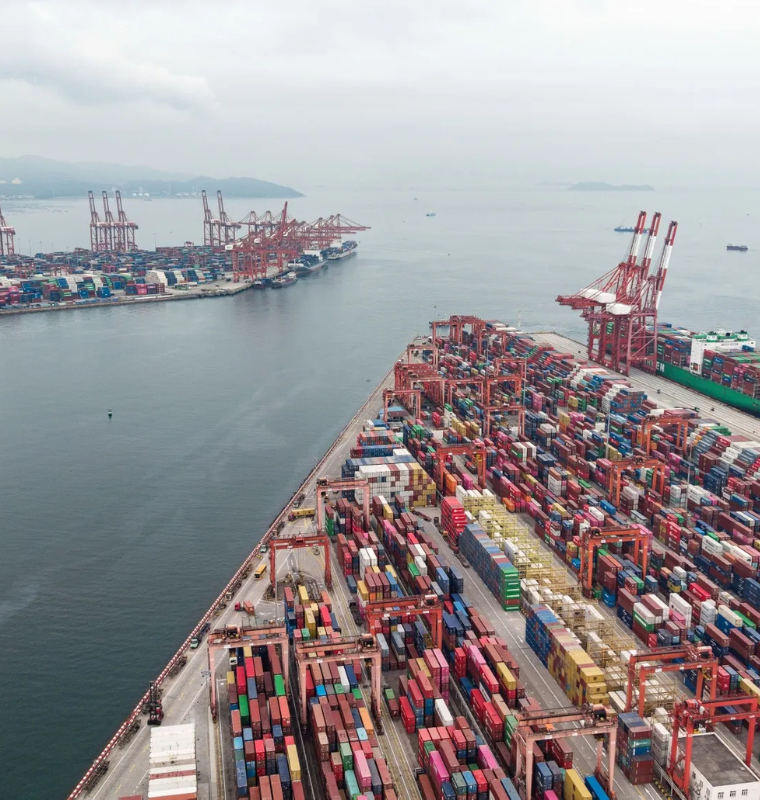
These tensions have reshaped trade flows across Asia. While exports to the U.S. have fallen sharply, shipments to Southeast Asia and Europe have surged, allowing China to maintain its position as a top global exporter. Businesses have also accelerated orders ahead of potential tariff increases, cushioning short-term export numbers.
Stimulus Measures Bolster Momentum
China ramped up fiscal and monetary stimulus in late 2024, introducing targeted consumer trade-in programs, tax incentives for small businesses, and infrastructure spending aimed at stabilizing local governments’ finances. These measures have supported sectors ranging from automotive to electronics and helped sustain year-to-date retail sales growth of 3.4%.
However, the real estate sector continues to drag on the broader economy. Investment in property development dropped 12.9% in the first eight months of 2025, deepening from a 12% fall in the first seven months. Analysts warn that without a structural turnaround in housing, China’s domestic recovery could remain uneven.
Cautious Consumer Spending
The latest data from China’s “Golden Week” holiday in October underscored weak consumer sentiment. According to Nomura’s Chief China Economist Ting Lu, average daily domestic passenger trips increased by 5.4% year-over-year during the October 1–5 period — slower than the 7.9% growth recorded during the May holiday.
While total travel volume reached 296 million trips, spending per traveler declined, reflecting a broader consumer shift toward saving amid job insecurity and stagnant wage growth.
Challenges on the Horizon
Despite improving short-term numbers, the World Bank expects China’s GDP growth to moderate to 4.2% in 2026, citing slowing exports and the government’s likely retreat from heavy fiscal stimulus to prevent a rise in public debt.
Demographic pressures are also weighing on the long-term outlook. Nearly one in seven young Chinese remains unemployed, and the population continues to age rapidly. The World Bank noted that Chinese startups create employment at a rate four times higher than before, compared to sevenfold in the U.S., highlighting the drag of state-owned enterprises on innovation and job creation.
Regional and Global Impact
China’s economic trajectory remains critical for the broader East Asia and Pacific region. A 1 percentage point drop in China’s GDP typically reduces regional growth by 0.3 percentage points, according to World Bank estimates. With China’s revised forecast, the region’s collective growth outlook has also improved — now expected to expand by 4.8% in 2025, compared with 4% previously.
Globally, however, the World Bank has trimmed its 2025 growth forecast to 2.3%, the slowest pace since 2008 outside of recession years, as trade tensions, higher borrowing costs, and geopolitical uncertainties weigh on global confidence.
A Delicate Balancing Act
For Beijing, sustaining growth near the 5% mark will depend on navigating an increasingly complex landscape: balancing stimulus with debt sustainability, boosting domestic demand, and maintaining stable trade ties with its largest export markets.
As global trade realigns and foreign investors reassess exposure to China, the government’s next policy moves — from potential rate cuts to easing property restrictions — will determine whether this recovery proves temporary or becomes a foundation for longer-term stability.
.webp)
Popular articles



Subscribe to unlock premium content
Pedal in Style in Amsterdam

From Bean to Boutique: Ghana’s Cocoa Revolution
Green Escapes in the Heart of London

Pedal in Style in Amsterdam
From Bean to Boutique: Ghana’s Cocoa Revolution
Pedal in Style in Amsterdam