China’s Grip on Critical Minerals Opens a Strategic Window for Western Magnet Makers

China’s Grip on Critical Minerals Opens a Strategic Window for Western Magnet Makers
By
David Goldfarb
Last updated:
December 24, 2025
First Published:
December 24, 2025

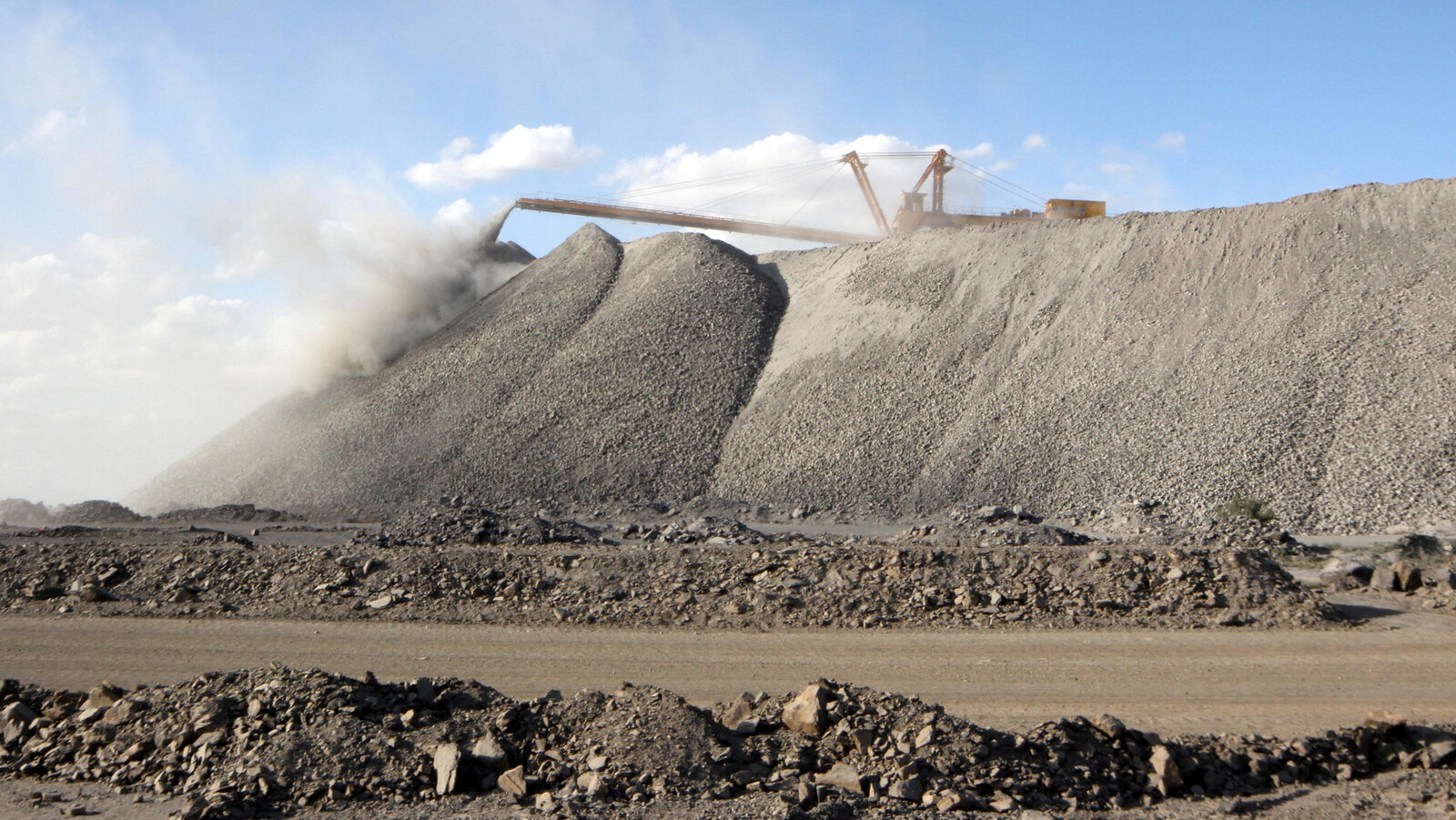
Photo: The New York Times
A Supply Chain Thrust Into the Spotlight
Rare earth magnet manufacturers have moved from obscurity to strategic importance as export restrictions, tariff threats, and geopolitical tensions reshape global supply chains. Over the past year, uncertainty surrounding China’s control of critical minerals has pushed Western governments and industrial players to rethink how and where these essential components are made.
Rare earth magnets are foundational to modern technology. They sit at the heart of electric vehicles, wind turbines, robotics, smartphones, medical imaging systems, artificial intelligence hardware, and advanced defense systems. As demand for energy-efficient motors and high-performance machinery accelerates, magnets are increasingly viewed as infrastructure rather than niche components.
Why China’s Dominance Matters
China remains the central force in the rare earth ecosystem. It accounts for close to 60 percent of global rare earth mining and more than 90 percent of magnet manufacturing capacity. This concentration has long been tolerated due to cost efficiency and scale, but recent export controls and policy signaling from Beijing have underscored the risks of overreliance on a single jurisdiction.
For Western economies, the issue is not just supply security but industrial competitiveness. Without reliable access to magnets, entire value chains tied to clean energy, automation, and national security face potential bottlenecks.
Western Governments Move to Rebuild Capacity
In response, the United States, the European Union, Australia, and allied nations are accelerating plans to establish domestic mine-to-magnet ecosystems. These efforts include direct government funding, regulatory support, long-term procurement commitments, and incentives for private capital to invest in processing and manufacturing facilities.
The U.S. and Europe are expected to be the fastest-growing markets for rare earth magnet production over the next decade. However, analysts caution that dismantling China’s entrenched position will be a gradual process rather than an overnight shift.
Neo Performance Materials and Europe’s Push
Canadian firm Neo Performance Materials has emerged as a key player in Europe’s strategy. The company recently opened a rare earth magnet factory in Narva, Estonia, a location chosen for both logistical access and geopolitical significance.
The facility is designed to anchor Europe’s downstream magnet supply. Initial production is expected to reach around 2,000 metric tons annually, with plans to scale to 5,000 tons and potentially beyond. While this represents a small fraction of global output, it marks a critical step in diversifying supply away from China.
Neo’s leadership argues that demand growth is driven by physics and industrial necessity rather than software cycles or single end markets. Energy-efficient motors across robotics, automation, renewable energy, and manufacturing all rely on rare earth magnets, creating broad-based, long-term demand.
Globally, the rare earth magnet market is projected to expand from roughly 250,000 metric tons today to around 600,000 metric tons over the next decade, more than doubling total demand.
The U.S. Scales Up With Federal Backing
In the United States, rare earth magnet capacity is expected to grow sharply over the coming years. Industry estimates suggest domestic capacity could increase nearly sixfold by the mid-2030s, supported by funding from the Department of Defense and expanded midstream processing capabilities.
North Carolina-based Vulcan Elements is among the companies scaling aggressively. The firm recently secured a $620 million federal loan aimed at strengthening domestic magnet production and reducing reliance on foreign supply chains.
Industry leaders emphasize that magnets are not optional inputs. They convert electricity into motion, making them essential for advanced manufacturing, aerospace, satellites, data infrastructure, electric drivetrains, and nearly all modern defense systems.
Demand Is Rising Faster Than Supply
Executives across the sector describe demand for non-China-sourced magnets as accelerating at an unprecedented pace. Growth is being driven by electric vehicle adoption, renewable energy expansion, automation, and increased defense spending.
At the same time, building a fully domestic supply chain remains a complex challenge. Mining, refining, alloying, and magnet manufacturing must all be aligned, often requiring coordination across multiple industries and years of capital investment.
U.S.-based magnet makers argue that success depends on innovation and leadership from manufacturers willing to orchestrate the entire supply chain, from raw materials to finished magnets and end customers.
A Long Road to Supply Chain Independence
Despite rapid progress, Western nations are unlikely to escape China’s mineral orbit in the near term. China’s scale, expertise, and integrated supply chains remain difficult to replicate quickly. Still, the momentum is clearly shifting.
What was once a quiet corner of the industrial world has become a strategic battleground. As governments and companies invest billions to secure access to critical materials, magnet makers are finding themselves at the center of one of the most important industrial transformations of the decade.
.webp)
Popular articles



Subscribe to unlock premium content
Iceland’s Geothermal Revolution

Bali’s Digital Detox Revolution

Step Into the Future of Art

Iceland’s Geothermal Revolution
Bali’s Digital Detox Revolution
Iceland’s Geothermal Revolution